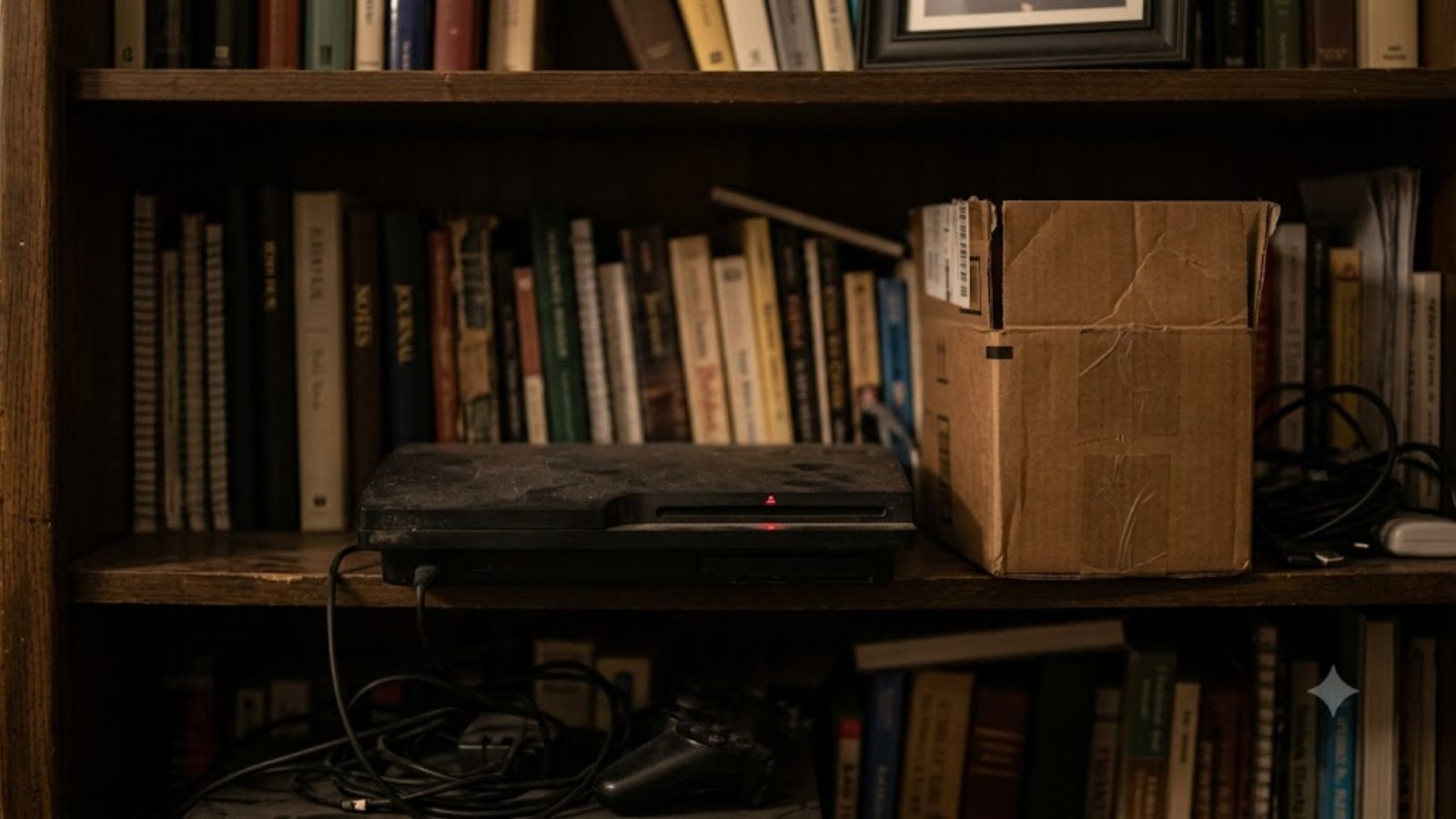
Microsoft (MSFT) is cutting roughly 3,200 Xbox jobs — the headline said 3,000, the body said “some 3,200,” and the fine print breaks it down: 1,600 now, another 1,250 during the fiscal year, and 350-plus more through selling or spinning off four game studios, with options being explored on a fifth. All told, about a fifth of the division’s headcount. Xbox chief Asha Sharma — the former Instacart operating chief who only started in February — didn’t reach for corporate anesthesia: “Our business today is not healthy… We must reset XBOX.”
The numbers explain the candor. Game Pass, the subscription that was supposed to be gaming’s Netflix, sits around 30 million subscribers — versus the roughly 77 million once projected in a document from the Activision case. Xbox revenue fell 5% in the March quarter; the division’s full-year margin is 3% — a rounding error inside a company whose cloud business prints money. Console prices were raised because of the worldwide memory-chip squeeze (the same one minting fortunes in Seoul and also squeezing Sony and Nintendo), the Game Pass price was cut, and new Call of Duty titles were pulled from the service to be sold the old-fashioned way.
Because the tell here is bullish, not bearish. Empires usually hide their sick provinces; a giant willing to say “not healthy” in public — and cut a fifth of a beloved division to protect margins — is a giant protecting the cash flows that fund its dividend and its AI build-out. Microsoft still owns Minecraft, Candy Crush, and Fallout; what it stopped owning is the fantasy that subscriptions grow to a projection just because the projection was written down. When you evaluate any subscription story — streaming, software, fitness apps — ask what the current number is, not the promised one. And notice the thread connecting the files today: the memory squeeze that made your console pricier is the same force behind Korea’s market fever. One supply chain, two very different headlines.
One: in any pitch built on subscriber projections, discount the hockey stick — 30 versus 77 million is what the gap typically looks like. Two: treat public candor and margin protection as quality signals; they’re what keep dividends funded through resets. Three: connect your headlines — the chip squeeze raising console prices is the boom our index funds already own in Seoul. Same story, both sides of the ledger.