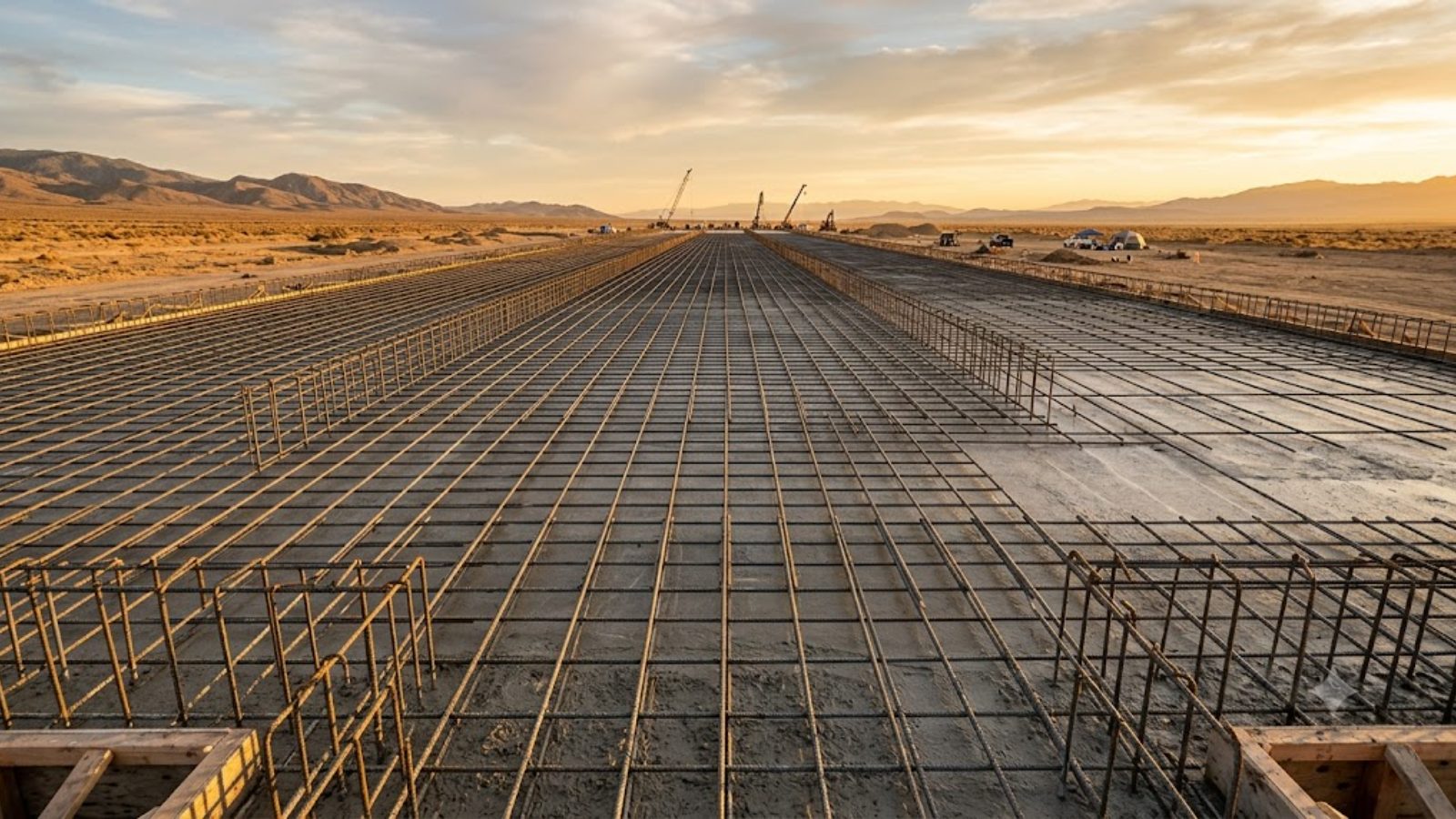
The AI build-out has been a story about chips and models. This week it became a story about debt — which is where these stories are ultimately settled. BlackRock is leading a raise for at least $12 billion against a single El Paso data center, backed by Meta.
Twelve billion dollars of project debt against one building means the returns now have to arrive on a schedule a lender set, not one the technology sets. That is the moment an exciting theme becomes a fixed obligation.
The quieter, better detail: top utilities and developers just pledged to pay more for the electricity their data centers draw. Developers volunteering to overpay for power is an admission that somebody was always going to — the only question was who.
Here is the part worth saying plainly for the book. The AI trade has three floors — the chips, the models, and the power — and the credit market just knocked on the third one. We would rather own the utility that sells the electricity than the special-purpose vehicle that borrowed twelve billion dollars against a single roof, because one gets paid on a rate base and the other gets paid on a schedule the technology has to hit. When developers volunteer to overpay for power, that is the regulated utility’s revenue line saying thank you.
No add. We own the electricity side of this build-out, not the borrowing side — the theme-two position since it was written. When data-center developers agree to pay up for power, the counterparty in that sentence is a regulated utility with a rate base. That is the part of the AI story an income book can actually hold.