Capital Wealth
TUE CLOSE · JUL 21 DJIA 52,224.64 ▲0.74% · NASDAQ 25,837.21 ▲1.3% · STOXX 600 643.19 ▲0.6% · 10Y 4.628% · OIL $84.91 ▲$1.68 · GOLD $4,071.10 ▲$60.80
Energy · The Insurance File

Oil at $84.91 — and 70 million barrels moved while the window was open.

Crude closed at $84.91, up $1.68, as Iran stepped up missile-and-drone attacks on U.S. forces in Jordan. Separately, independent estimates put Iranian shipments at roughly 70 million barrels — worth as much as $6 billion — between mid-June and mid-July, the month the U.S. lifted its Strait of Hormuz blockade. Defense Secretary Hegseth put the running cost of the Iran war at $37.5 billion, some $9 billion above earlier Pentagon figures.

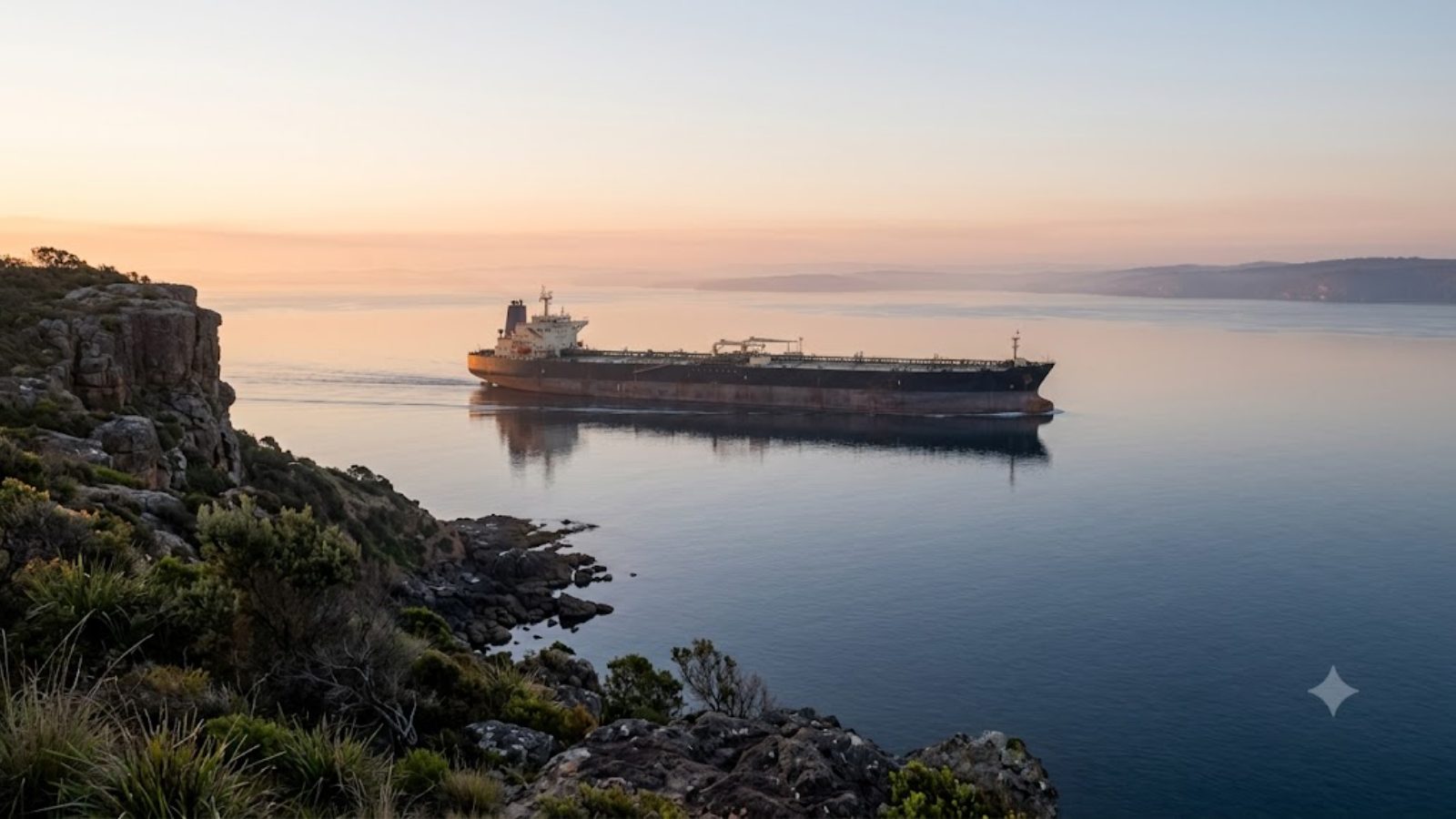
A laden tanker riding low in a calm strait at first light, seen from a headland
A laden tanker riding low in a calm strait at first light, seen from a headland.

The energy sleeve does not celebrate weeks like this one, but it is the reason the sleeve exists. Crude ran to $84.91 as Iran stepped up attacks on U.S. forces in Jordan — the fifth straight edition where the same boring hedge quietly did its job.

Two numbers tell the week. Oil went from $78.14 to $84.91 in eight sessions on supply fear, not demand. And Iran shipped roughly 70 million barrels — up to $6 billion worth — during the single month the Hormuz blockade lifted.

Read that second figure twice. A blockade worth $6 billion a month to the party being blockaded is not a policy with a long shelf life. The Pentagon put the running war cost at $37.5 billion — up $9 billion between two briefings, which is another way of saying nobody has an end date.

“We are not adding into the spike. The sleeve was sized for exactly this in advance — which is the only moment sizing is ever worth anything.”

Here is the part worth saying plainly for the book. The energy sleeve is not a bet on the price of oil; it is a bet that a thin global buffer makes every supply shock asymmetric to the upside, and a 9%-and-climbing week is what that looks like when it pays. We sized it for this in advance precisely so we would never have to chase it in public. The $6-billion-a-month blockade math is the tell on durability: a policy that leaks that much money does not hold, which is why we hold the producers rather than the headline.

What This Means For The Book

Chevron (CVX), Exxon (XOM) and ConocoPhillips (COP) stay reinforced; the pipes (KMI, WMB) keep tolling and Texas Pacific Land (TPL) keeps collecting royalties on other people’s urgency. This is a supply-risk premium, and premiums are what an insurance sleeve is there to collect — before the headline, never after.

This page is for general information and education. It is not investment, tax or legal advice, and it is not a recommendation to buy or sell any security. Market data cited are as of the dates shown and will change. Facts are drawn from the noted Wall Street Journal editions (July 18–22, 2026; tape reflecting the Tuesday, July 21 close). Tickers illustrate themes discussed and are not recommendations; holdings reflect model targets, are subject to change, and are excluded where a client mandate prohibits them. Sean Anees Saifi · Capital Wealth · saifi@capitalwealthlg.com