There is a moment in every capital-spending cycle when the money stops coming out of the business and starts coming out of the bond market, and Wednesday afternoon Meta Platforms made that moment official in front of everybody.
Record Revenue, Softer Everything Else
Meta’s sales came in at $60.8 billion, for 28% year-over-year revenue growth. Net income was $15.8 billion for the April-to-June period, lower than analysts had expected. The guidance was the other miss: analysts had been expecting roughly $63 billion in sales for the three months ending in September, and the company said revenue for the period is likely to be between $61 billion and $64 billion — the midpoint of which is below the expectation.
On spending, Meta raised the low end of its capital-expenditure forecast above the previously announced $125 billion, while the top end of the forecast remained unchanged at $145 billion. Noting a potential headwind, the company said it is monitoring active legal and regulatory situations that could “significantly impact our business and financial results.” Legal proceedings cost the company $2.4 billion during the second quarter.
That legal line is not decoration. Meta is facing one of the most serious sets of legal threats in its 22-year history: in August it goes to trial in federal court in Oakland over claims from four attorneys general, where the states have asked for damages of up to $1.4 trillion — a sum nearly equivalent to Meta’s $1.5 trillion market capitalization. Another trial in that consolidated set of cases is slated for February.
The Bond Market Priced the Binge
A borrowing binge this year for big tech companies is giving debt investors fatigue and pushing up the cost of capital across the industry. The supply of new bonds this year from AI companies reached $270 billion in early July, almost double what was raised in all of 2025, according to Bank of America Global Research.
Take Monday’s sale of $12.55 billion in notes tied to Meta’s El Paso, Texas, project, which is 80% owned by funds managed by BlackRock. Yields on the offering from Sopaipilla Investor, the holding company that owns BlackRock’s portion of the project, were about 2.875 percentage points above the 10-year Treasury note, or 7.5%. Bonds on a similar Meta project in Louisiana were trading at a yield about half a percentage point lower than the new deal’s interest rate on Monday. Same sponsor, same asset class, one year apart, half a point worse.
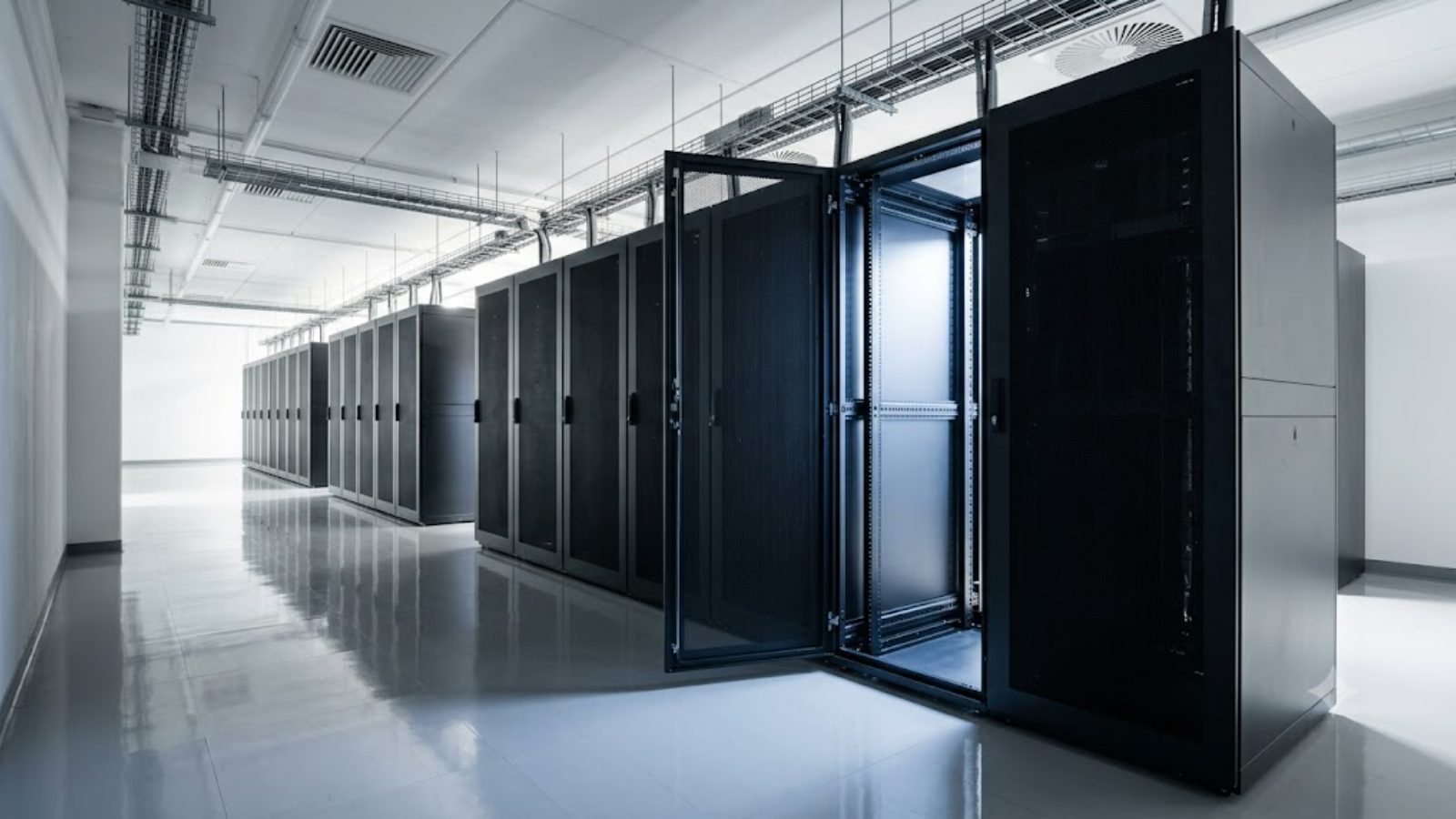
Meta has gotten creative about keeping billions of dollars of borrowing off its balance sheet. The Hyperion data-center project in Louisiana was structured as a venture with the investment firm Blue Owl Capital; funds managed by Blue Owl invested about $3 billion and received an 80% ownership stake, and a holding company owning that stake, Beignet Investor, issued $27 billion in bonds to finance the two-gigawatt complex. For both the Beignet and Sopaipilla bonds, Meta provided a guarantee that makes bondholders whole if it opted not to renew its lease or terminated early — which is what got each offering investment-grade ratings. Sopaipilla received an A+ from S&P and an AA− from Fitch.
For years Meta had little need to borrow, thanks to a highly profitable advertising business that gushed cash. It wasn’t until 2022 — a decade after its IPO — that the company issued debt at all. In October it raised $30 billion, doubling its debt load in one of the year’s largest corporate bond offerings, and followed that in April with an additional $25 billion. “The market is expecting the build to continue,” said Neha Khoda, head of U.S. credit strategy at Bank of America. “Just at a higher price point.”
The Other Side of the Same Trade
On the same afternoon, Microsoft reported robust cloud growth and a boost in the number of paid artificial-intelligence subscribers. Revenue grew 18% to $90 billion in the quarter ended in June, a sign the company’s AI-revenue growth is accelerating. Net income increased 31% to $35.8 billion, beating Wall Street’s expectations according to an average of dozens of analysts polled by FactSet. Chief Executive Satya Nadella said revenue from the Azure cloud business surpassed $100 billion for the first time in fiscal year 2026.
Two companies, one build-out, two entirely different documents. One reported subscribers; the other reported a coupon. That is the whole distinction we are trying to make.
Why the Spreadsheet Bothers Us
Investors are already on edge about soaring AI capital expenditures across the complex. S&P this month cut Oracle’s credit rating to one notch above junk. Alphabet shares slipped after the Google parent boosted capital spending to around $200 billion this year, pushing it into free-cash-flow-negative territory for the first time since its IPO a couple of decades ago; it has halted buybacks and issued equity to fund the spending. Amazon and Oracle have also turned free-cash-flow negative.
Analysts project operating margins for the five hyperscalers combined will improve to about 31% in calendar 2029 from 27% last year, according to data compiled by Visible Alpha — the highest for the group collectively since Meta went public in 2012. Half of that improvement hinges on selling, general and administrative expenses declining to about 8% of revenue from 10%, while revenue almost doubles. With combined annual revenue expected to top $3 trillion in three years, that is $77 billion less spent on corporate operations in 2029 than if overhead simply stayed at its 2025 share.
In other words, the bullish earnings narrative for the group requires newfound operating efficiency at exactly the moment depreciation from all the new buildings and equipment starts landing in operating income. If the AI tools fail to drive the hoped-for efficiencies, corporate expenses scale with revenue and the projected margin benefit does not arrive. The expenses hit cash, not just earnings — which makes more borrowing, or more equity, the plug.
This is the same story as Part I’s lead wearing a different logo: the AI build-out has exhausted free cash flow as a funding source and moved to leverage, and the bond market just raised the price. The pair trade inside the megacaps is now visible — sellers of AI (MSFT, with subscribers) versus spenders on AI (META, with invoices).
Action: REINFORCE MSFT — 18% growth with a toll booth is the multiple we will pay for. HOLD META at index weight; record revenue buys patience, rising coupons spend it. WATCH the AI credit complex itself: when data-center paper yields like cyclical debt, somebody’s spreadsheet is wrong, and we would rather notice early.
- META · Meta Platforms · hold at index weight
- MSFT · Microsoft · reinforce
- GOOGL · Alphabet · capex watch
- AMZN · Amazon · capex watch
- ORCL · Oracle · credit watch