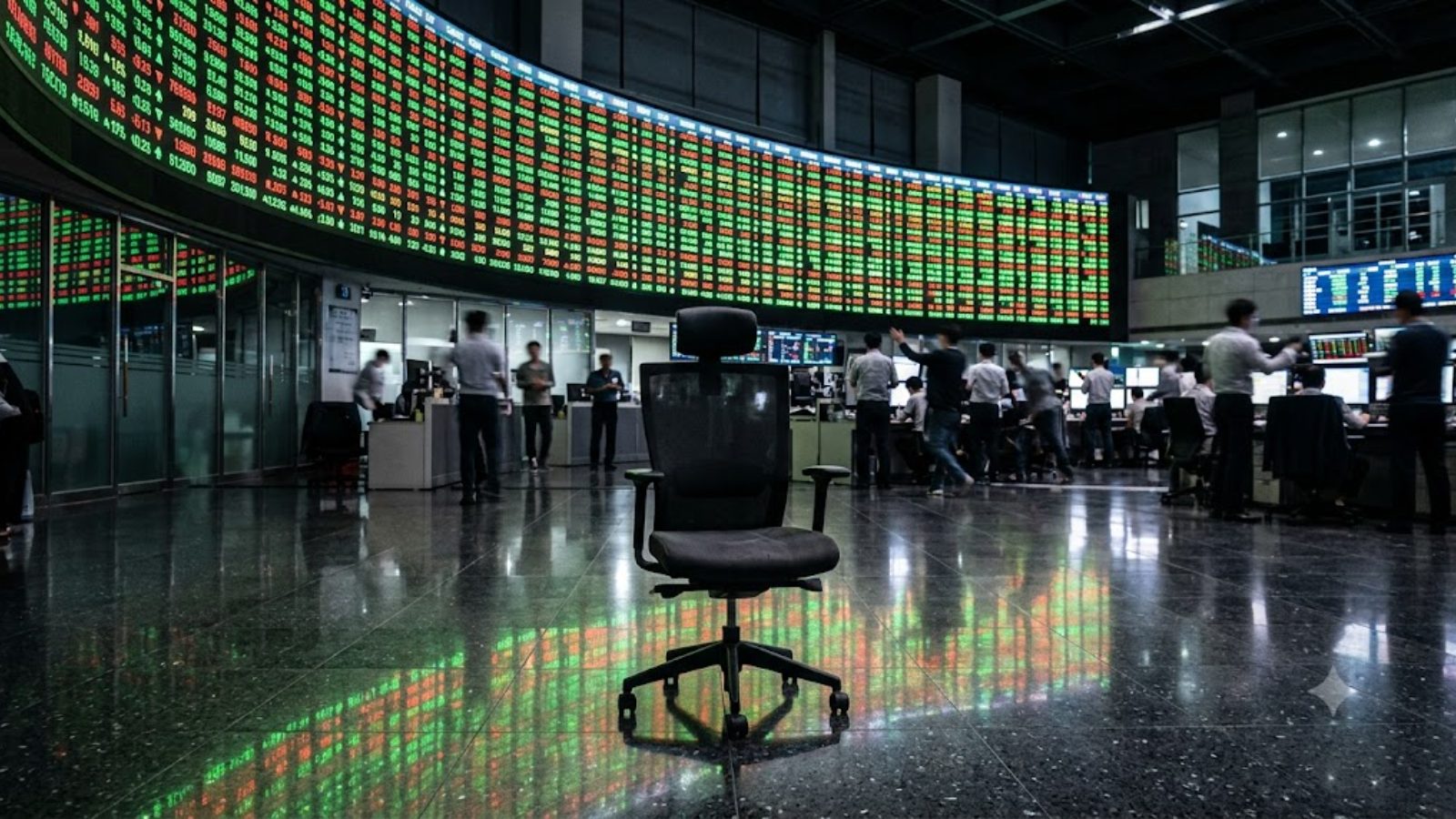
SK Hynix prices its $28 billion U.S. listing this week at roughly six times forward earnings; Samsung guided to a 19-fold profit jump and fell 6.9% anyway. Micron (MU) trades at the same suspicious discount.
If that combination looks like a screaming bargain, it’s supposed to. But memory investors have seen this exact movie before — boom, glut, apology, repeat — and here is the trap written into the cycle: valuations run lowest exactly when profits run hottest, because the market is already pricing the glut that always follows the boom.
So MU stays on the watch bench, and we watch the SK Hynix debut from the stands. The trigger to upgrade isn’t a cheaper multiple — it’s an underwritable contract: a signed multi-year buyer, U.S.-plan money, something you can take to a committee.
Until that contract shows up, our memory exposure rides inside the sleeve we already own: AVGO, TSM and NVDA, which get paid whichever memory maker wins the food fight.
MU stays on the watch bench; we watch the SK Hynix debut from the stands. A six-times multiple on peak-cycle profit isn’t cheap — it’s the market pricing the inevitable glut in advance. The trigger to upgrade is an underwritable contract (a signed multi-year buyer, U.S.-plan money), not a lower multiple. Until then, memory exposure rides inside the sleeve we already own — AVGO, TSM, NVDA — which get paid whoever wins the food fight.