Buffett Bought a Homebuilder. Saylor Sold Bitcoin to Pay a Dividend. That's the Whole Lesson.
Two small stories this week told a much bigger one about discipline — and about why we own durable cash flows and steer clear of the borrow-and-buy-crypto model.
Based on WSJ reporting (Amira McKee, Vicky Ge Huang) · Capital Wealth analysis by Sean Anees Saifi · June 3, 2026
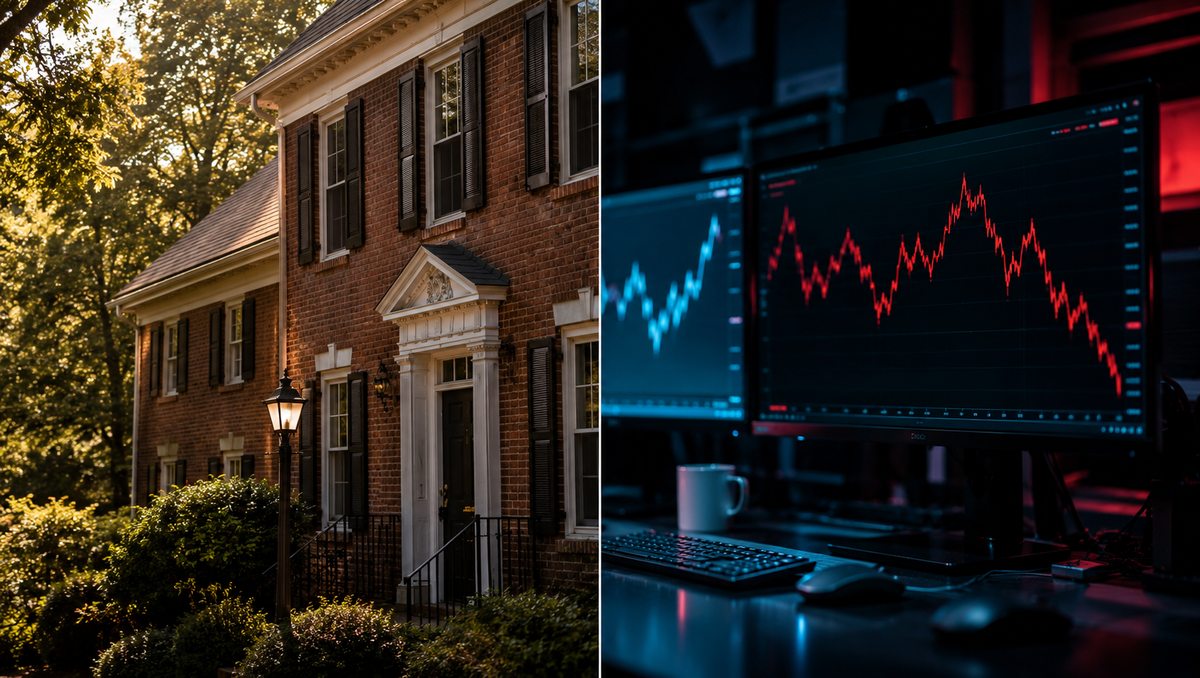
Durable cash flow vs. speculation — two playbooks.
Two Headlines, Opposite Directions
While the market obsessed over AI chips, Warren Buffett's Berkshire Hathaway (BRK.B) quietly agreed to buy homebuilder Taylor Morrison (TMHC) for $6.8 billion and disclosed a new $2.6 billion stake in Delta Air Lines (DAL). Classic Buffett: buying boring, cash-generating businesses while the crowd chases the shiny thing.
At the other end of the spectrum, Michael Saylor's Strategy (MSTR, the former MicroStrategy) sold bitcoin for the first time since 2022 — a small sale, just enough to cover a preferred-stock dividend. The amount was trivial. The signal was not: it's a real tell about the limits of the “borrow money and buy crypto” corporate model when the bills actually come due.
Why We Sit on the Buffett Side
We don't own MSTR or bitcoin-treasury proxies in any model, and this week is a tidy illustration of why. A company whose only real engine is a single volatile asset is eventually forced to sell that asset at exactly the wrong moments — to make a payment, not because it's a good time to sell. That's a structural flaw, not a one-off.
We do own Berkshire (BRK.B) across the tiers as our quality-and-cash anchor, and weeks like this are the reason. The contrast — Buffett buying durable cash flows, Saylor selling the family silver to fund a dividend — is the entire philosophy of the book on a single screen.
What This Means For The Book
No changes; reinforcing the message. We hold Berkshire Hathaway (BRK.B) as the book's ballast and avoid crypto-treasury equities entirely. When you build around dependable cash flow, you're rarely a forced seller — and not being a forced seller is most of the game.