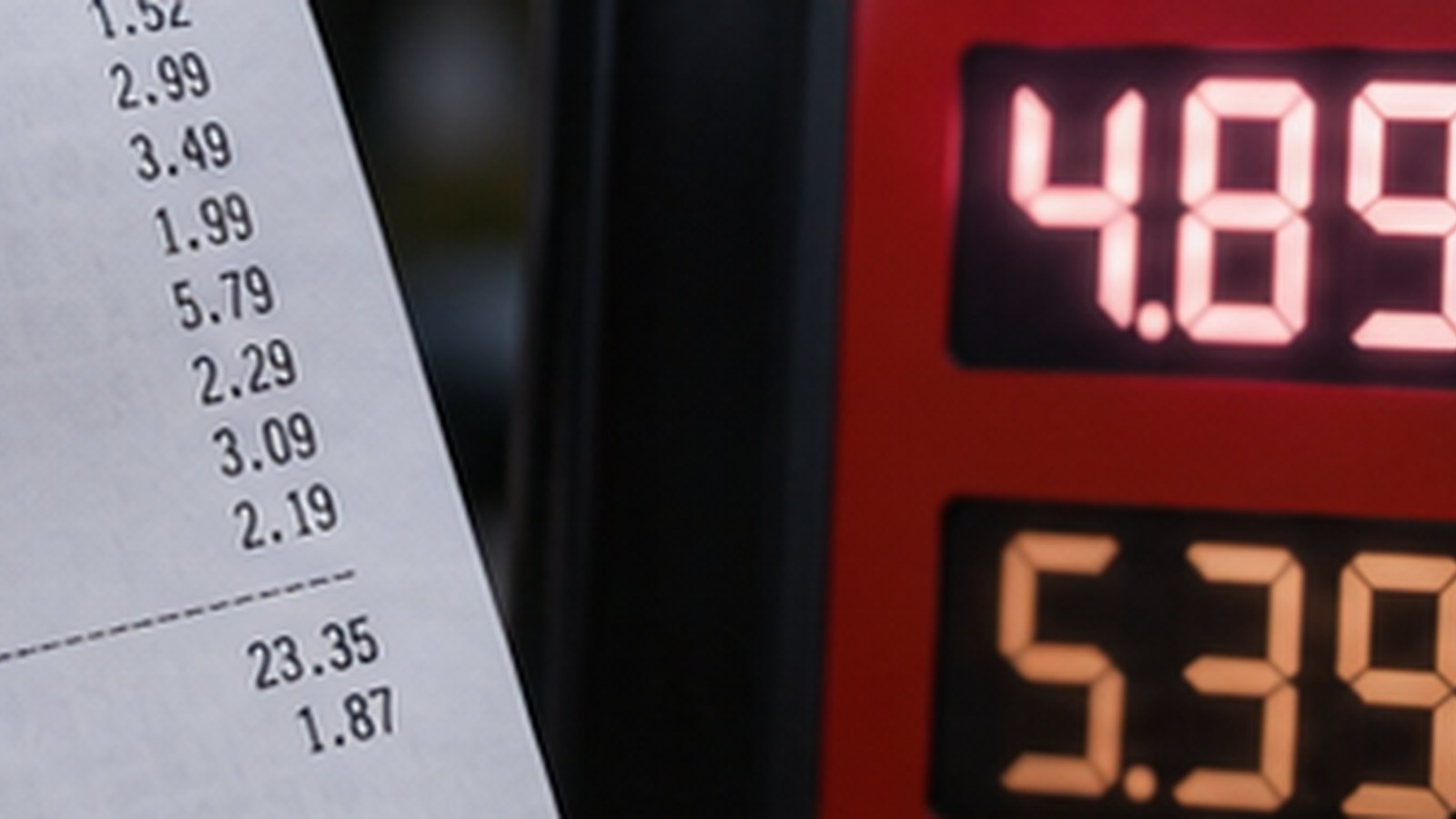
Inflation Just Hit a Three-Year High — and the War Is Part of the Reason
Consumer prices rose 4.2% from a year earlier in May — in line with forecasts, but the hottest reading in three years. The Iran war is feeding straight into the number, and it’s a big part of why stocks fell so hard.
Based on WSJ reporting · Capital Wealth analysis by Sean Anees Saifi · June 11, 2026
Everyday prices kept climbing in May as the Iran war fed through to energy costs.
The Number
Consumer prices rose 4.2% from a year earlier in May — in line with what economists expected, but the hottest reading in three years. The Iran war pushed energy prices up, and the conflict’s toll on consumers deepened. When the cost of oil climbs, it doesn’t stay in the energy aisle; it works its way into shipping, food, travel, and just about everything that has to be moved or made.
The frustrating part for markets isn’t that the number was a shock — it landed right where forecasters said it would. It’s that inflation that everyone expected still won’t come down.
Why Stocks Fell So Hard
Markets had been leaning on the idea that the Federal Reserve would be cutting interest rates by now. A print like this — with the fed-funds target still at 3.50–3.75% and the 10-year Treasury yield at 4.541% — pushes that hope further out, and that re-pricing was a big part of why stocks fell so hard.
Here’s the across-the-desk version: when inflation surprises nobody but still won’t come down, the discount rate on every long-duration growth stock stays higher for longer. That’s a headwind for the most expensive AI names — the ones priced for profits years out — and a relative tailwind for things that throw off cash today.
What This Means For The Book
I didn’t blow anything up over one inflation print. I just kept tilting the book toward the cash-flow side of that line — energy, defense, dividend payers, and regulated utilities — and stayed disciplined about how much we pay for the most expensive AI names. The goal isn’t to predict the next CPI report; it’s to own a book that can take a hot one and keep paying you while it waits.