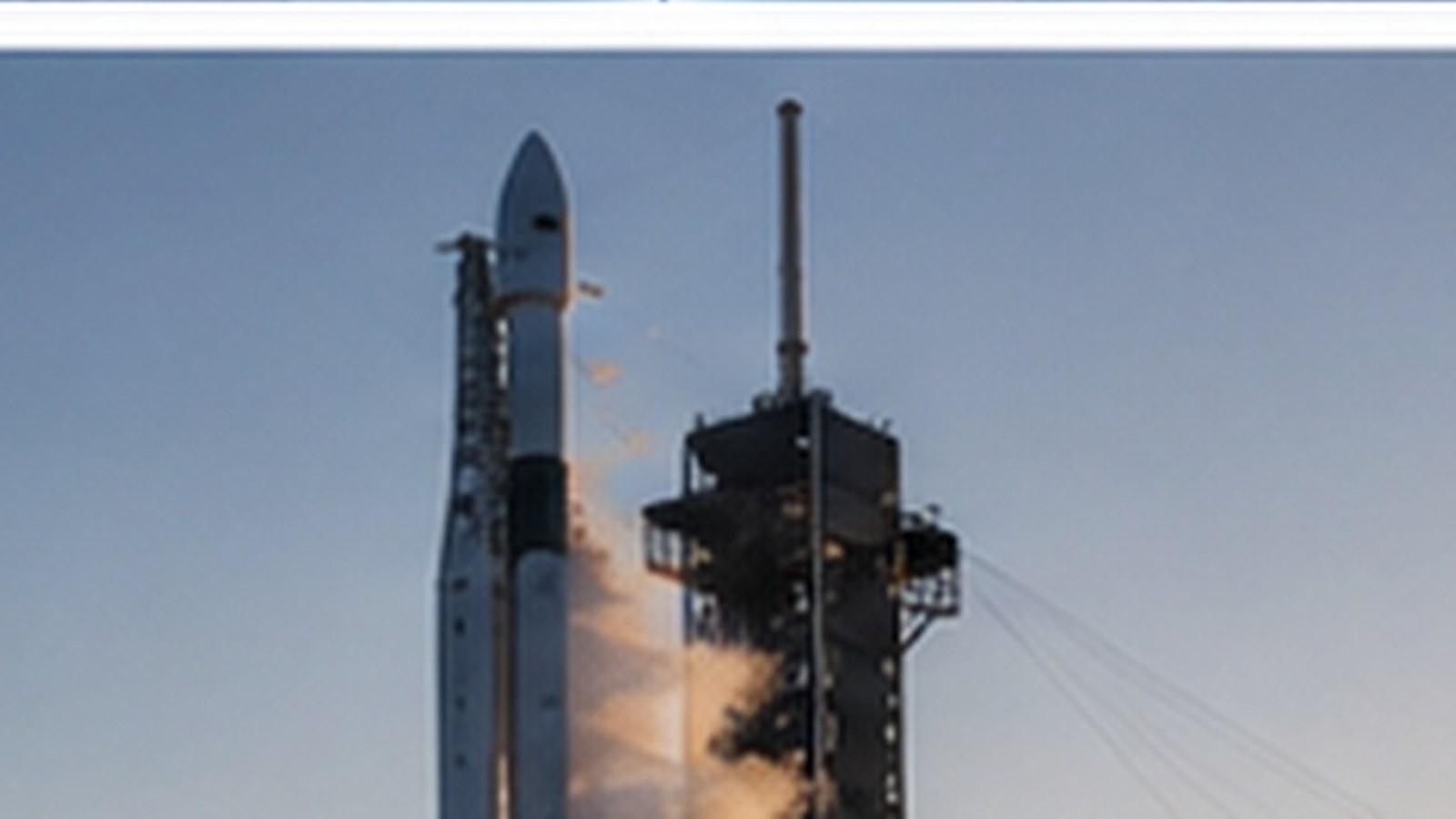
SpaceX Is to Orbit What the Model T Was to the Road
The biggest IPO in history priced this week at roughly a $1.75 trillion valuation. But the number isn’t the story. The story is that, once again, somebody has collapsed the cost of doing something hard — and that’s exactly how the automobile and artificial intelligence reordered the economy. Here’s why I think SpaceX rhymes with both.
A Capital Wealth Special Report · Analysis by Sean Anees Saifi · June 12, 2026
SpaceX heads for the largest IPO ever — but the real change is the cost curve underneath it.
$1.75T
IPO valuation
+19%
SPCX first-day pop to $161
10M+
Starlink subscribers
$75B+
raised — biggest ever
The Cost Curve That Changed Everything
For sixty years, getting a kilogram of anything into orbit cost a fortune, because the rocket that carried it was thrown away every single time. Imagine buying a new airplane for every flight and you understand why space stayed the exclusive playground of governments. SpaceX’s real invention wasn’t a prettier rocket — it was landing the rocket and flying it again. That one engineering decision dragged the cost of reaching space down by something like an order of magnitude.
When the cost of doing a hard thing falls that far, the interesting part isn’t the company that did it. It’s all the businesses that suddenly become possible on top of it — businesses nobody could afford to attempt at the old price.
When you collapse the cost of a hard thing, you don’t just win a market. You create a dozen new ones on top of it.
The Automobile Parallel
Henry Ford did not get rich because people wanted cars. He got rich because he made the car cheap enough that an ordinary family could own one — and in doing so he created the modern economy around it. The Model T didn’t just sell cars; it created the demand for oil and gas stations, it built the suburbs, it paved the highways, it spawned motels and drive-ins and the entire logistics industry that moves the world’s goods by truck. General Motors (GM) and the supply chain behind it employed millions who never bolted a chassis.
The lesson for an investor is subtle: the biggest fortunes in the automobile age weren’t always made on the car companies themselves — plenty of those went bankrupt. They were made on the ecosystem the cheap car made inevitable. SpaceX is the cheap car. Starlink, the launch economy, earth-observation, in-space manufacturing, and a re-armed defense industry are the gas stations and the highways.
The AI Parallel — and Why It’s Not a Coincidence
Artificial intelligence is what economists call a general-purpose technology: like electricity or the automobile, it doesn’t belong to one industry, it seeps into all of them. That’s exactly the shape of what’s happening above our heads. Cheap access to orbit is becoming general-purpose infrastructure — connectivity, imaging, positioning, and defense all run on it.
And the two stories literally merged this year: in February, SpaceX folded in Elon Musk’s AI venture, xAI. Think about what that combination is reaching for — a company that owns both the cheapest path to space and a frontier AI lab, with a satellite network that already touches ten million customers as the distribution layer. Whether or not you love the man behind it, that is the same pattern we saw with the car and with AI: one platform, many industries, compounding for decades.
Starlink: The Cash Engine Hiding in a Rocket Company
Here’s the part Wall Street actually underwrote. Rockets are glamorous but lumpy. Starlink — the satellite-internet service — is a subscription business, and a fast-growing one: it roughly doubled in 2025 (from about 4.5 million to 9 million subscribers) and passed 10 million early this year. It is SpaceX’s most profitable segment and its biggest revenue line. That’s why the company decided it didn’t need to spin Starlink off into its own IPO; the recurring revenue is the reason the whole thing can carry a trillion-dollar-plus price tag.
In plain English: the rockets are the moat, and Starlink is the toll booth.
How an Ordinary Investor Actually Plays This
For years the honest answer to “how do I own SpaceX?” was “you can’t” — it was private, and only insiders and a few funds had access. This week changed that: shares (SPCX) now trade publicly. But a first-day pop of nearly 20% is precisely when patience pays. We rarely chase a debut; the people who get hurt in marquee IPOs are usually the ones who bought the hype on day one.
The more durable way to own a theme like this is the way the automobile age rewarded patient money: own the ecosystem. The defense and space supply chain — the companies that build the satellites, the components, the ground systems and the launch hardware — tends to capture a steadier slice of the spending without the single-stock drama. We’ll look at SPCX itself the way we’d look at any richly-priced platform: a measured starter position after the noise settles, sized so a bad week is survivable, not a swing-for-the-fences bet.
The Honest Risks
One man, a lot of weight. This is a key-person story to a degree few companies are. A single profile in this week’s Journal noted one early backer’s stake is worth around $68 billion — a reminder of how much fortune is concentrated in one orbit.
The price assumes the future already happened. A trillion-dollar-plus valuation prices in years of flawless execution — Starship, Starlink growth, and the new markets all going right. Any of them slipping is a long way to fall.
Regulation and competition. Spectrum, launch cadence, and national-security politics can all move the story, and rivals are racing to copy the reusable playbook.
What This Means For The Book
I’m treating SpaceX the way I’d treat the arrival of any genuine platform shift: with enthusiasm for the theme and discipline about the price. We are not chasing the first-day pop. Where it fits, we lean into the broader space-and-defense supply chain — the “gas stations and highways” of this build-out — and we’ll consider a small, starter SPCX position only once the IPO froth has cleared.
The bigger point is the one I keep coming back to: the largest fortunes of the automobile age and the AI age went to patient owners of the ecosystem, not to the people who paid any price on day one. We plan to be the former.
Want to talk about where a theme like this does — and doesn’t — belong in your plan? Bring your statement; we translate the headline into a position-level decision.