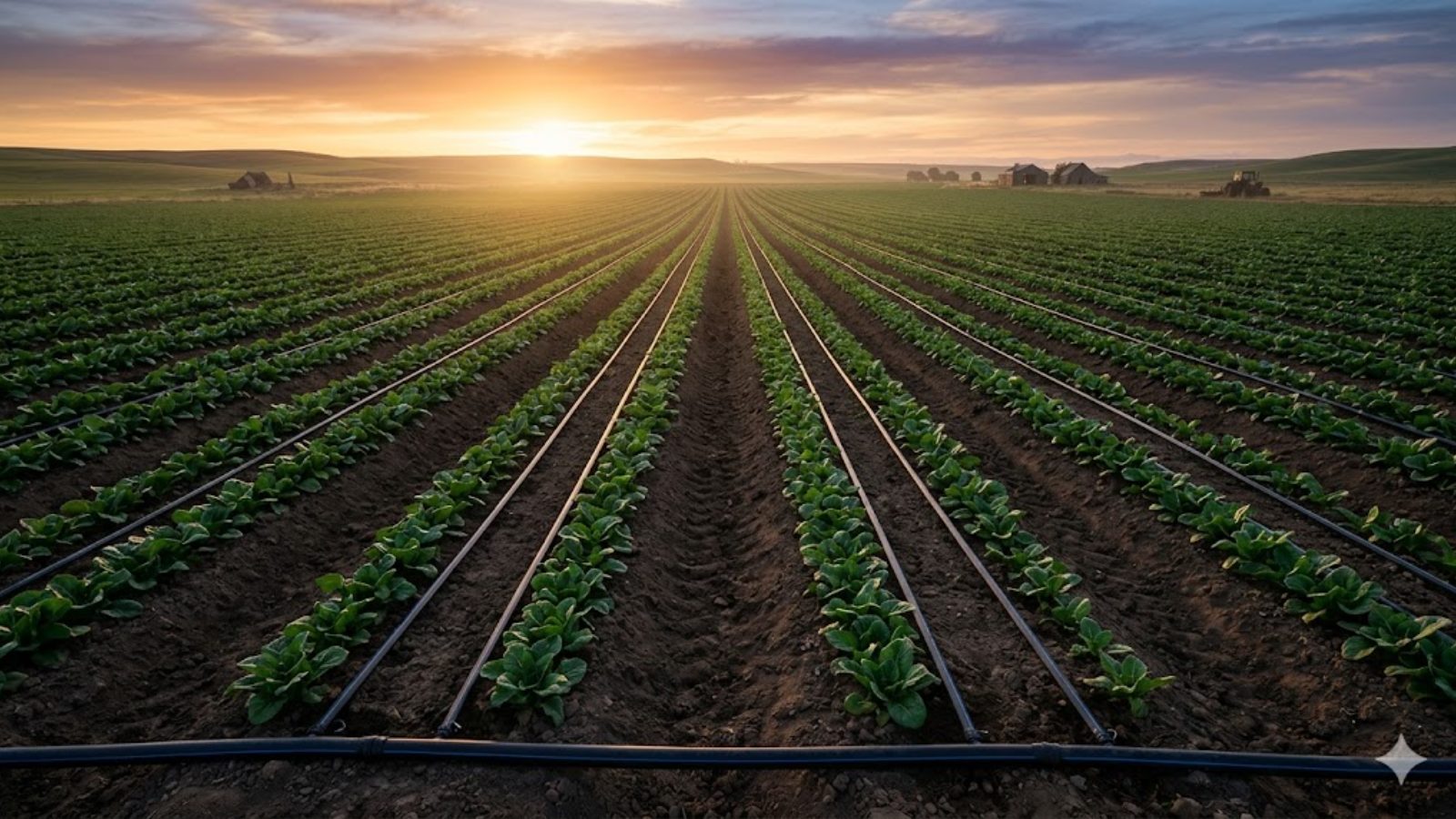
The War’s Quiet Casualty: The World’s Fertilizer — And Your Grocery Bill.
While everyone watched oil, the war did quieter damage to something just as important: the fertilizer that grows the world’s food. Here's how a Middle East gas spike ends up on your dinner table.
Capital Wealth Daily · Analysis by Sean Anees Saifi · June 16, 2026
Fertilizer is made from natural gas — and the war made gas expensive.
The Chokepoint Nobody Talks About
A surprising share of the world’s fertilizer is produced in or shipped through the Middle East, and the key ingredient — ammonia and the nitrogen fertilizers built from it — is made from natural gas. When the war sent regional gas prices surging, producers from Egypt and the surrounding region curtailed or shut output, because at high enough gas prices making fertilizer simply stops being profitable.
Take a critical feedstock offline during planting season and the effect doesn’t stay in the commodity pits. It shows up months later as lower crop yields and higher prices for the grain that feeds both people and livestock.
Why It Lands On Your Table
This is the part that matters for an ordinary household. Fertilizer is an input to nearly everything you eat — directly for grains and produce, indirectly for the corn and soy that feed cattle and chickens. A fertilizer squeeze is a slow-motion grocery-bill story, and it’s one more reason the inflation the Fed is worried about isn’t cooling as fast as the cease-fire headlines suggest.
What This Means For The Book
Two takeaways for the book. First, this reinforces why we keep real-asset and inflation-aware exposure rather than assuming inflation is solved — the war’s price effects are still working through the system. Second, it puts the fertilizer producers, led by Nutrien (NTR), on our watch list: a disrupted-supply, pricing-power story that also behaves like an inflation hedge. We’re watching, not chasing — but it’s exactly the kind of unglamorous name that does well precisely when the cheerful narrative is wrong.
Want to talk about where a theme like this does — and doesn’t — belong in your plan? Bring your statement; we translate the headline into a position-level decision.