House Robots Are Coming, And They’ll Be Dangerously Cute.
Owners have held Buddhist funerals for Sony’s robot dog. A sharp new essay argues that machines designed to be adorable are designed to lower your guard — and that’s a lesson that reaches well beyond the living room.
Capital Wealth Daily · Analysis by Sean Anees Saifi · June 16, 2026
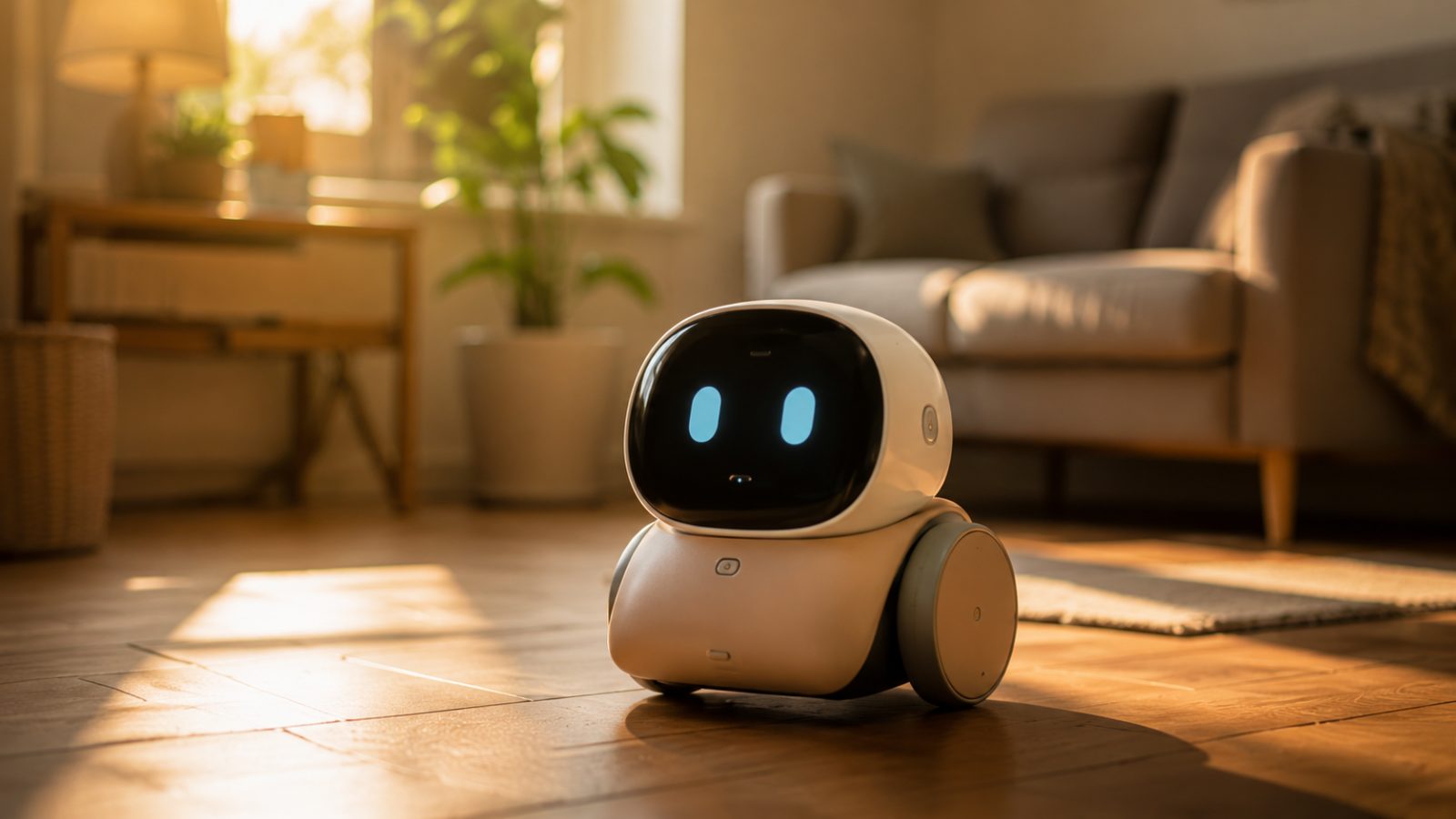
Engineered to be adorable — which is exactly the point.
The Robot Dog With A Funeral
Sony (SONY) launched its robot dog, AIBO, back in 1999, discontinued it in 2006, then revived it in 2018 with modern AI. Along the way something strange happened: owners bonded with it so deeply that, when the early models broke down for good, some held Buddhist funerals for their “dead” robots. A new essay uses that fact to make a pointed argument — home robots are engineered to be cute precisely so we’ll form an emotional attachment to them.
Why Cute Is A Strategy
Cuteness isn’t an accident; it’s a design choice that lowers your defenses. We extend trust to things we find adorable — we forgive them, we let them into our homes and our routines, we don’t scrutinize what they’re collecting or who’s behind them. The essay’s warning is that affection can be a back door: the more we love the cute machine, the less critically we judge it.
The Money Version Of The Same Trick
I bring this into a financial newsletter on purpose, because the exact same psychology runs through money. The charming advisor, the slick app with the celebrity spokesperson, the “can’t-lose” product wrapped in a warm story — they work by getting you to like them before you evaluate them. A good feeling is not due diligence. Whether it’s a robot or a financial product, the discipline is the same: enjoy the charm, then demand the evidence anyway.
What This Means For The Book
The portfolio version of this rule is simple — we never let a story, a brand, or a good feeling substitute for the numbers. A pitch that leans on how much you’ll love it, rather than what it costs and what it returns, is a pitch to be careful with. Cute is fine. Cute plus unexamined is how people get sold things they shouldn’t own.
Want to talk about where a theme like this does — and doesn’t — belong in your plan? Bring your statement; we translate the headline into a position-level decision.