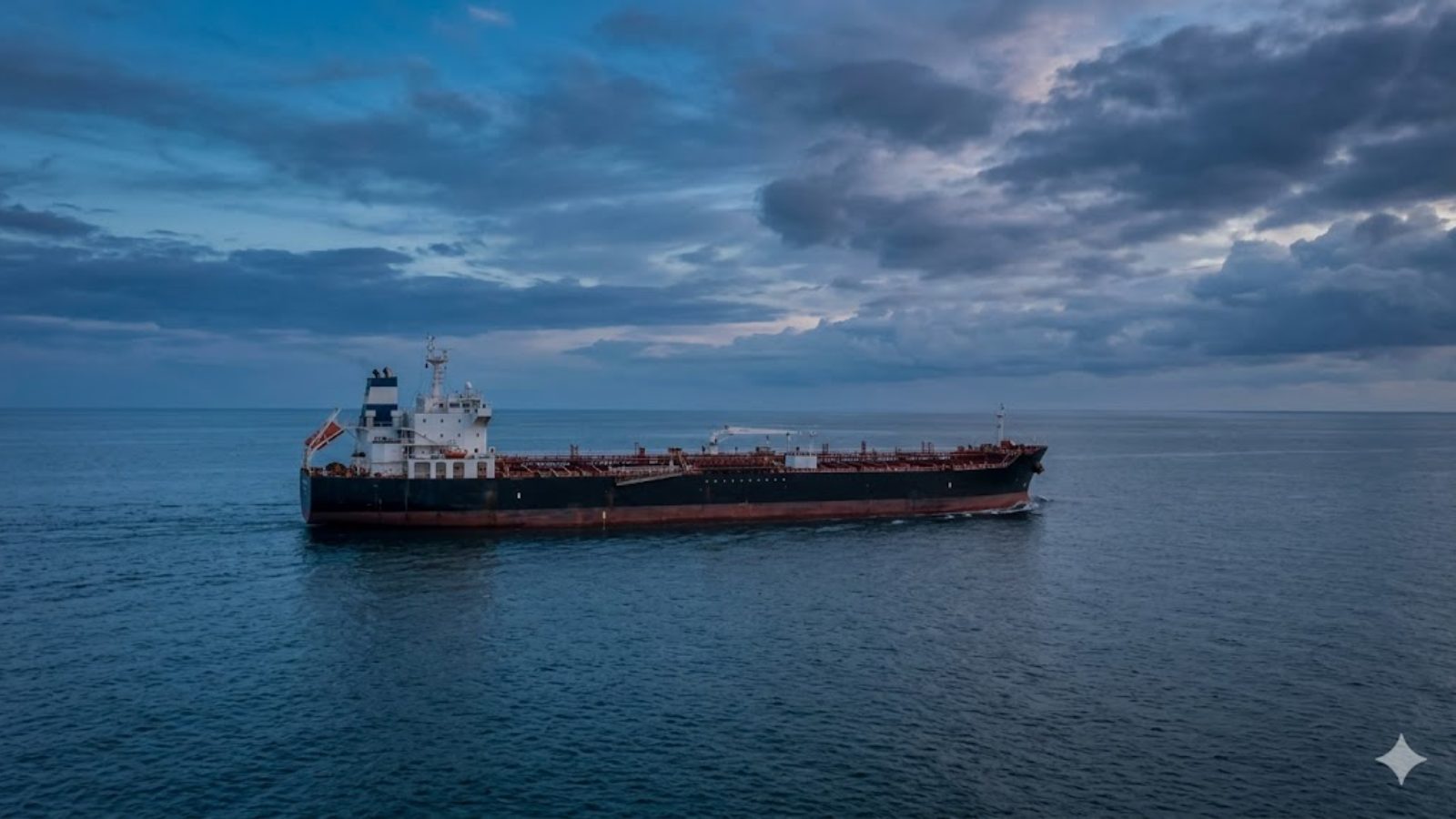
Why Oil Never Went Through The Roof — Even With A War On.
Everyone braced for $120 crude. It topped out near $86 and then fell. Four quiet brakes kept the spike in check — and understanding them is the difference between owning energy for income and gambling on a war.
Capital Wealth Daily · Analysis by Sean Anees Saifi · June 16, 2026
The feared super-spike never came — here's why.
The Spike That Wasn’t
For weeks the fear was simple: a Middle East war plus a closed Strait of Hormuz equals $120, maybe $150 oil and a fresh inflation shock. It didn’t happen. U.S. crude topped out around $86 and, once the cease-fire landed, fell back toward $80. For a war over the single most important oil chokepoint on earth, that is a remarkably contained move.
The Four Brakes
One: the market kept pricing a deal. Traders never fully believed the worst case, and every headline hinting at a settlement bled premium back out of crude.
Two: China pulled back. The world’s largest crude importer leaned harder on discounted Russian pipeline barrels and trimmed seaborne buying, softening global demand right when supply looked fragile.
Three: the “Trump factor.” Repeated public signals about timing, pricing and a cease-fire repeatedly capped rallies — jawboning that moved the benchmark almost as much as the fundamentals.
Four: American resilience. U.S. shale, strategic reserves and a more efficient, partly-electrified demand base mean the country simply absorbs an oil shock better than it did in the 1970s. The system has slack it didn’t used to have.
The lesson isn’t that oil is safe. It’s that you should own energy for the cash flow it pays you, not for the spike you’re hoping for.
What This Means For The Book
This is exactly why our energy overweight — ExxonMobil (XOM), Chevron (CVX), and the LNG names — is built on dividends and integrated cash flow, not on a bet that a war sends crude to $150. The companies that pay you to wait don’t need the super-spike to reward you; they just need a world that keeps using oil, which it does. We held the sleeve through the war and we hold it through the peace, sized to the cash it generates.
Want to talk about where a theme like this does — and doesn’t — belong in your plan? Bring your statement; we translate the headline into a position-level decision.