Sonny Rollins: The Colossus Who Walked Off Stage to Get Better
At the absolute height of his fame, Sonny Rollins quit. He spent two years practicing alone on the Williamsburg Bridge because he decided he wasn’t good enough yet. The jazz titan died this week at 95 — and his life is a master class in the most underrated force in finance: compounding.
WSJ Obituary · The Wall Street Journal · May 30-31, 2026 · Capital Wealth analysis by Sean Anees Saifi
A virtuoso who walked off stage to get better.
Ten Albums in One Year
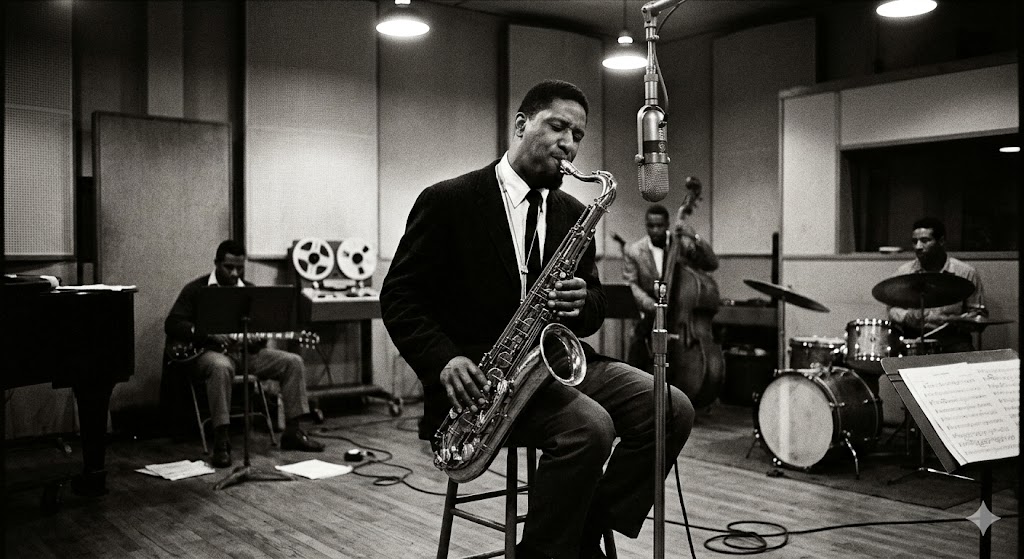
Sonny Rollins was the rare artist whose nickname — “Saxophone Colossus” — undersold him. After getting clean and joining the legendary Clifford Brown–Max Roach Quintet, he hit an “astonishing creative breakout,” as the Guardian later put it, recording 10 albums in 1956 alone. Among them was the calypso tune “St. Thomas” and, in 1958, “Freedom Suite” — a nearly 20-minute title track whose liner notes were one of the earliest, most defiant protests against racial injustice to come out of the jazz world.
Most musicians would have spent the next decade cashing in. Rollins did the opposite.
Then He Quit — to Get Better
In 1959, with hit records and a packed touring schedule, Rollins simply… stopped. He felt his playing had gotten sloppy, and he didn’t want to inflict that on audiences. So for the better part of three years he practiced alone, often on the walkway of the Williamsburg Bridge, where he could blow as loud as he wanted without bothering the neighbors. When he came back, he was better. He titled the comeback album, with a wink, “The Bridge.”
Who voluntarily walks away from the top to grind in private? Almost nobody. That’s exactly why almost nobody becomes the Colossus.
What This Means For Your Money
We’re a financial firm, so of course we found the money lesson — and it’s a good one. Rollins is what compounding looks like in a human being: decades of unglamorous, daily, repetitive work that the world only notices in hindsight. He didn’t get great in a year. He got great in fifty.
Your portfolio works the same way. The boring discipline — showing up, contributing every month, not blowing up the plan when things get loud — is the woodshedding nobody claps for. Then one day you look up and the account has ‘astonishing creative breakout’ numbers. Time in the market is just practicing on the bridge. Rest easy, Sonny.