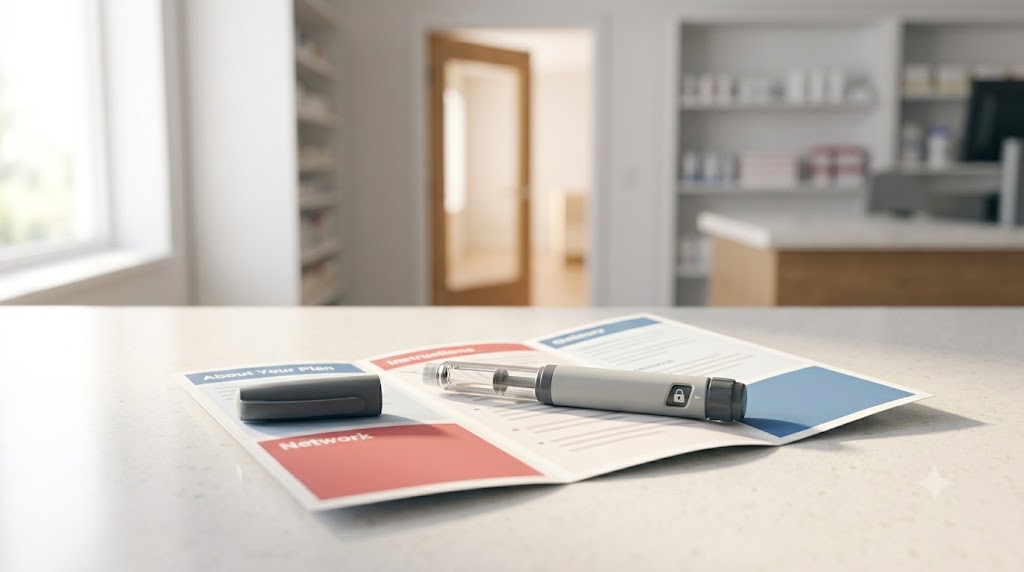
Here is a small story that tells you where retirement health is heading.
Nestlé — the company behind Nescafé, Stouffer’s and a shelf full of frozen dinners — is quietly rewriting its recipes. Not because of a scandal. Because of Ozempic.
The weight-loss drugs everyone is talking about — the GLP-1 family, Ozempic, Wegovy, Mounjaro — do something nobody expected. They dull your sense of taste. Food you used to love tastes flat. So Nestlé is adding more spice and pepper, shrinking portion sizes, and stamping “GLP-1 friendly” on a line of its frozen meals.
Because when a company as big as Nestlé reshapes its whole product line around a class of drugs, that drug isn’t a fad. It’s a permanent fixture in American life — and increasingly, in your retirement.
These drugs are expensive. List prices run north of $1,000 a month. And more of your neighbors are on them every quarter. That collides with the one bill that scares retirees most: healthcare.
Here is the part most people miss. Traditional Medicare has long been barred from covering drugs prescribed purely for weight loss. But once one of these drugs is approved for something else — heart disease, diabetes, sleep apnea — the coverage door can open.
So two retirees on the exact same medication can have wildly different out-of-pocket bills, depending on why it’s prescribed and which plan they picked during open enrollment. That is not a medical decision. That is a planning decision, and it happens once a year in the fall.
1. If you or your spouse takes a GLP-1 drug, does next year’s Part D plan actually cover it — and under what diagnosis?
2. What is the real monthly cost after the plan, not the sticker price?
3. Does the new $2,000 annual cap on Medicare drug costs change the math for you? For many people on a pricey drug, it changes it a lot.
We won’t chase the drugmakers here — that trade is crowded and loud. The quieter point is the one Nestlé just made for us: the companies that adapt to a health shift often age better than the ones that caused it. Staples that reformulate, healthcare names that ride real demand, and dividend payers that fund your income no matter who wins the drug race. Boring, and that is the compliment.
If a GLP-1 drug is in your household, treat your fall Medicare review as a money meeting, not a medical one. Bring the drug name and the dose. We’ll check it against the plans and the new cap before you re-enroll on autopilot — because the same pill can cost $12 or $1,200 depending on paperwork you control.