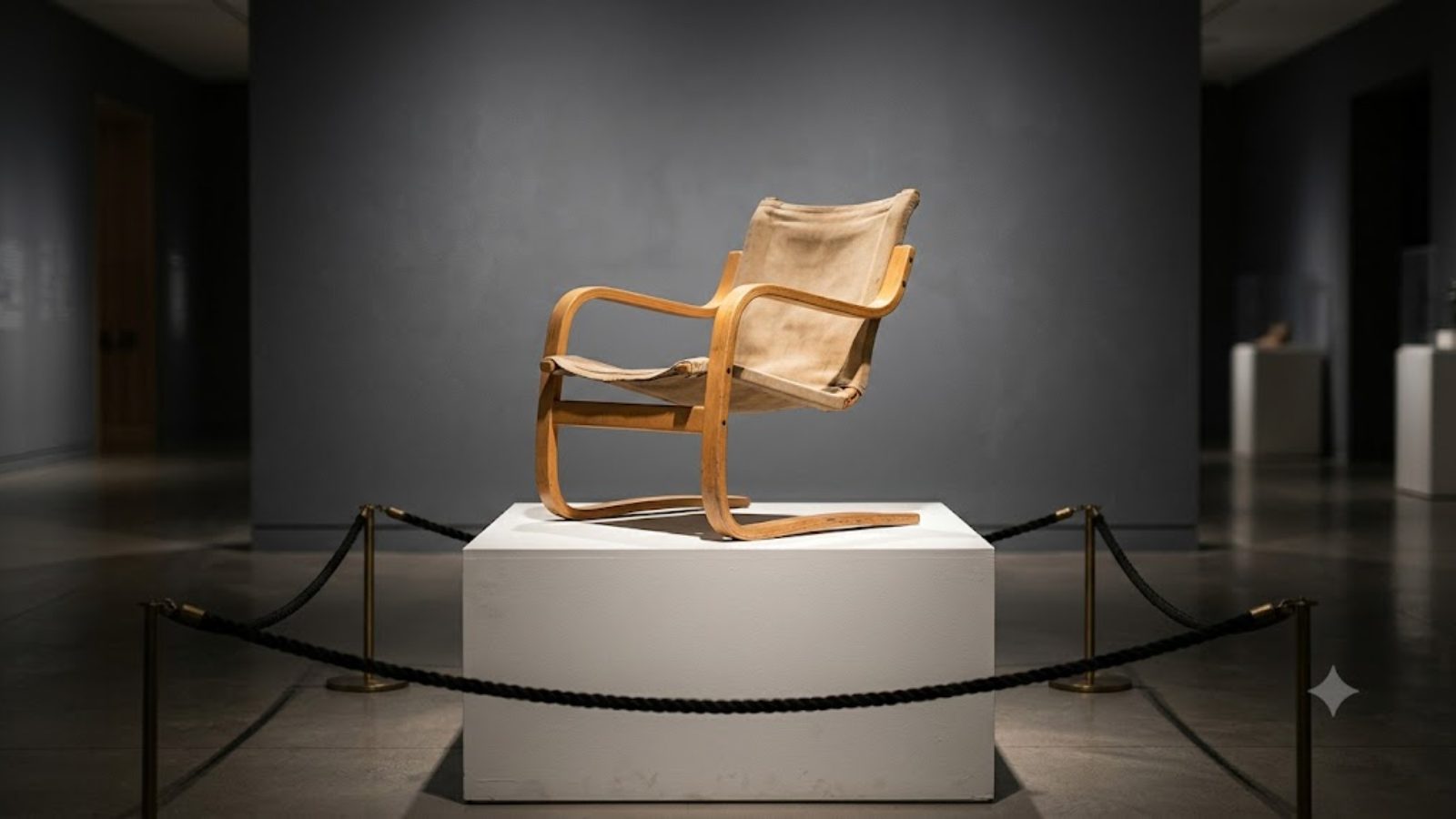
Somewhere out there, a grandparent hauled a 1971 IKEA Impala chair to the curb, and I want to sit them down gently. That chair — roughly $354 in today’s dollars, shipped flat in a box with an Allen key — recently listed for $12,705 on 1stDibs (DIBS). Thirty-six times its money. A PS 2012 chair set that ran $339 new now fetches north of $3,000, a $20 Stråla light has quintupled in a year, and the average vintage IKEA piece on Chairish is knocking on $1,000. Weirdest part: the bidders are Gen Z, paying gallery prices for the Billy bookcases their elders couldn’t give away.
It’s a great story, and it’s exactly how “alternative assets” get sold to the rest of us — because 36x only interviews the survivors. Nobody profiles the thousands of identical chairs that delaminated in a damp garage, and IKEA has already answered the mania with Nytillverkad, a reissue line that quietly caps the upside on the originals. Here’s the behavioral piece a WSJ headline won’t hand you: a collectible pays no dividend, charges you to store and insure it, and its exit isn’t a standing bid but an auction — whatever one excited stranger will pay on the day you happen to need cash. That’s not a flaw, it’s the definition, and it’s why the general planning move is to size alternatives like a hobby: small enough that a total loss changes nothing about your retirement. The plan itself runs on things with cash flows you can spend on an ordinary Tuesday without finding a buyer first. Collect for joy, and give it a budget the way you would any hobby.
So sure — check the garage before the next dump run; if there’s a right-angled steel chair from the Carter administration under the paint cans, dust it off. Just don’t call it your bond allocation. When the forecast is this loud — nostalgia froth one week, a cooling market the next — the sane move isn’t to guess the weather, it’s to glance at your own roof while the sky’s still clear. That glance is about fifteen minutes; bring your latest statement and we’ll figure out honestly how much fun money your plan can actually afford, whether that’s $500 or $50,000.
Alternative assets belong in the fun-money bucket, sized like a hobby — small enough that a total loss changes nothing about your retirement. The plan itself runs on cash-flowing assets with daily bids: dividends, interest, and earnings you can spend without finding a buyer first. If a collectible windfall ever lands, we’ll happily fold it into the plan. We just never build the plan on one.
Enjoy the treasure hunt if it brings you joy — and give it a budget, the way you would any hobby. Keep the receipts and photos for insurance. Be honest about the exit: signals suggest today’s vintage-IKEA froth has as much to do with nostalgia cycles as with any permanent value, and nostalgia rotates. And if you’re wondering how much fun money your plan can genuinely afford — whether the answer is $500 or $50,000 — that’s a fifteen-minute conversation with real numbers.