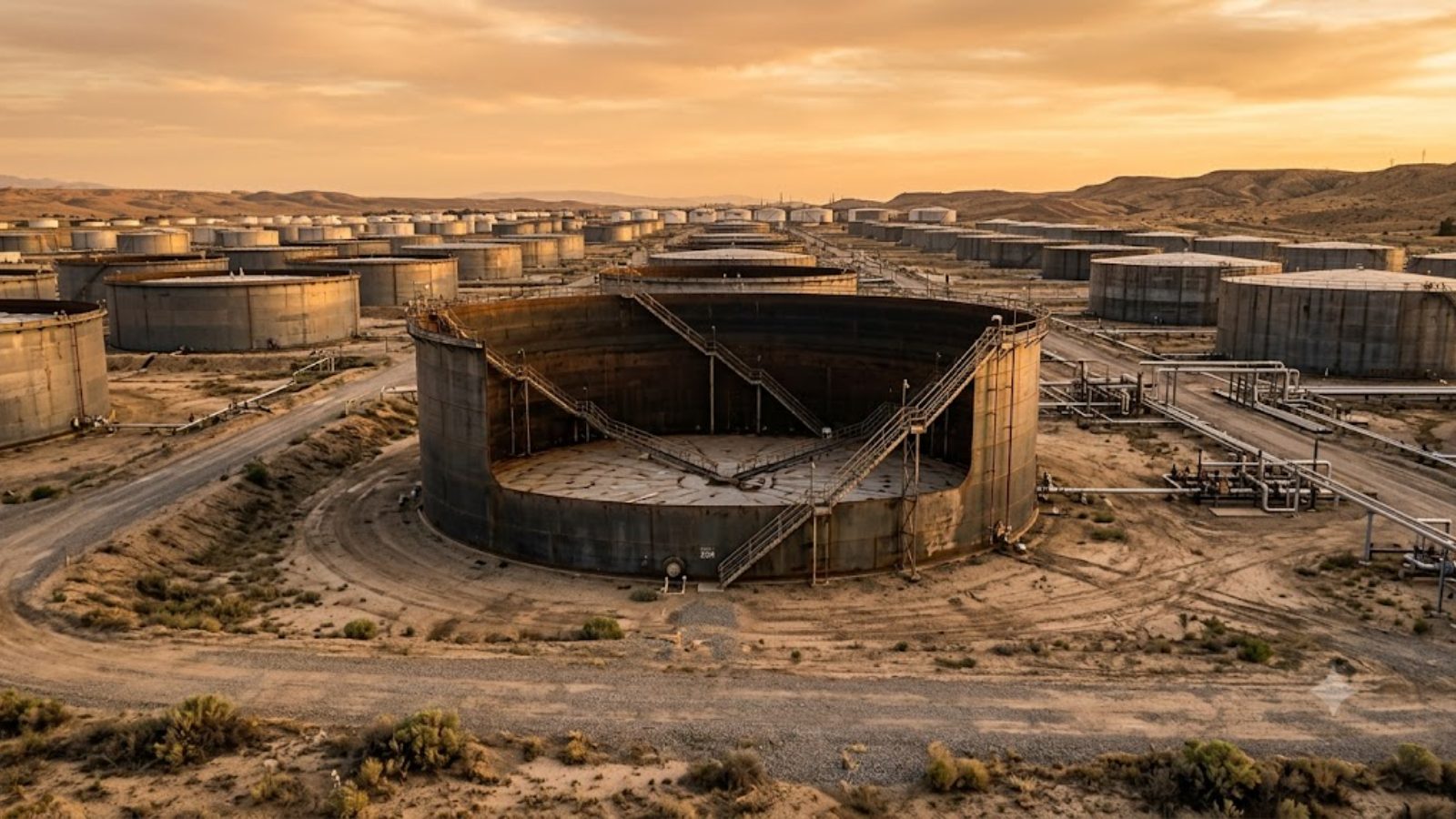
I filled up the truck Thursday and did the math I keep telling clients not to do: 87 cents a gallon more than the morning the war started — $3.85 now against $2.98 then — times two cars, times a year, and suddenly the fill-up is a line item you can actually feel. Here's the part that'll scramble your brain, though. Oil went DOWN about 2% Thursday, to $72.08, after Iran hinted it might be done fighting. Down — while the Strategic Petroleum Reserve sits at its lowest level since 1983, diesel tanks are the thinnest since the early 2000s, and energy analyst Andrew Lipow sums up the whole mess in six words: once the shelf is bare, there's nowhere to turn.
So how do prices fall while the shelves go empty? Because the tape trades on mood and the physical system runs on inventory, and right now the two are telling opposite stories — prediction markets still give only 8% odds that the Strait of Hormuz is fully normal by July 31. That gap is the whole point for anyone drawing a paycheck from a portfolio. General planning principle, not a hot take: when the same fuel spike that hammers your household budget is the thing that lifts an energy holding, you own a little energy as an inflation hedge — insurance, not a bet. Integrated names like Chevron (CVX) and Exxon Mobil (XOM) pay their dividends in the calm and in the crisis; the refiners already sitting at 52-week highs are what that premium looks like when it pays out. Buying the umbrella after the storm, at the highs, is a worse deal than having quietly owned it all along. And no, I can't tell you where crude goes next month — Thursday's drop on a single diplomatic headline is proof that nobody can.
If you can already see the forecast — thin buffers, jumpy prices, a budget that flinches every time you roll past a gas station — that's exactly when you climb up and check whether the roof holds, not after it starts leaking. A surprising number of growth-heavy retirement accounts carry zero energy at all, which means fuel inflation lands with nothing on the other side to catch it. Fifteen minutes, bring your latest statement, and we'll see whether your plan is dressed for the weather it's actually standing in.