When this World Cup kicked off a month ago, the 48-team event was billed as the equivalent of 104 Super Bowls. That is a lot of promise to live up to.
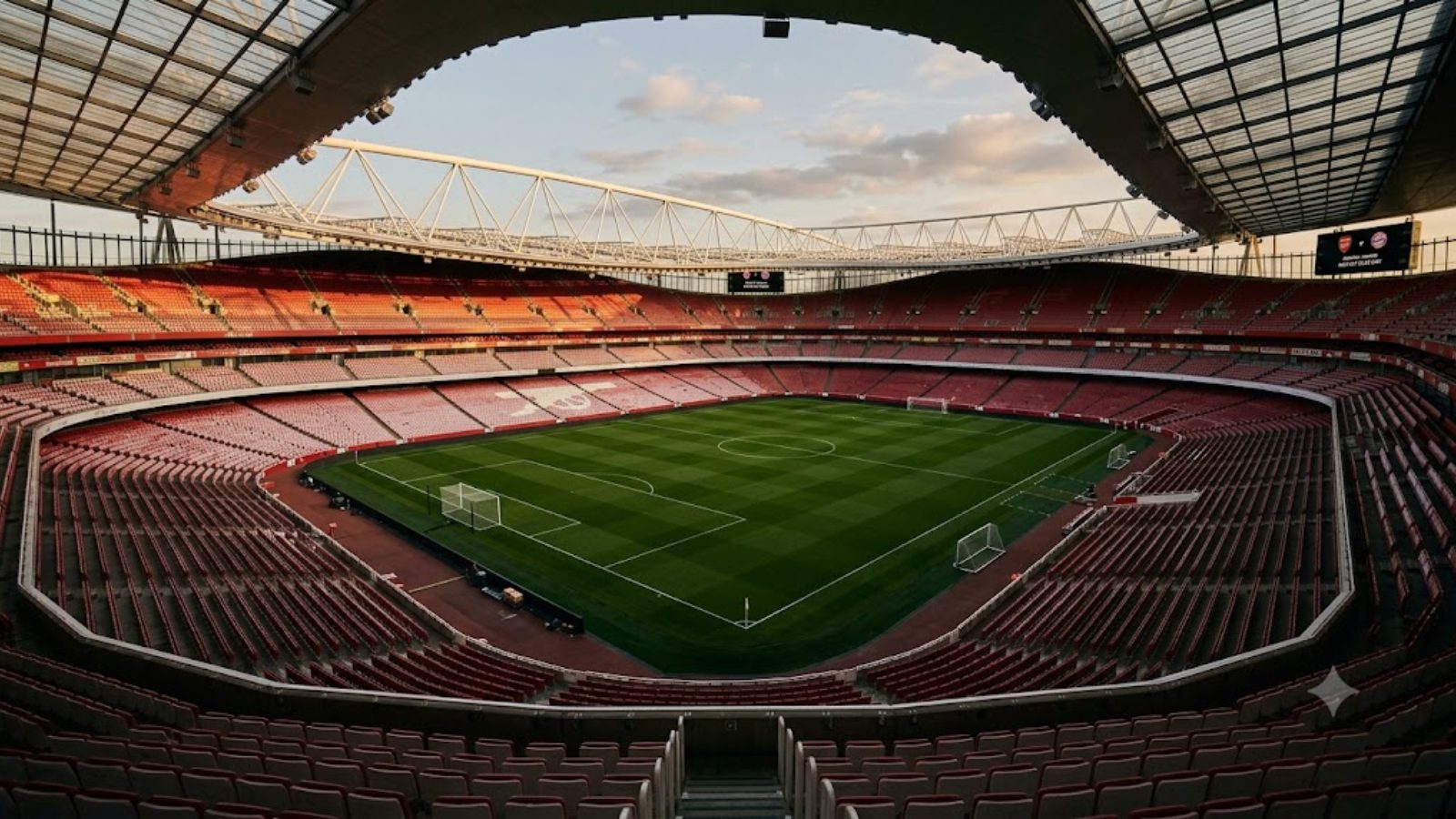
It has not played out like the Super Bowl at all. Joshua Robinson and Jonathan Clegg of the Journal make the better comparison: Cinderella runs, a sprawling bracket, survive-and-advance drama nearly every day. This has been a summer version of March Madness.
And here is the part that has never happened before. The four teams still standing are the four best teams in the world. Robinson and Clegg report that never before in the modern history of the World Cup have the top-four ranked teams all reached the semifinals. Because this was the largest field ever, each of them had to play an extra round to get here. That is one more chance for a fluke or a referee’s call to knock them out, and it broke against none of them.
Two semifinals, two different sports
France plays Spain in Dallas on Tuesday, and that one is for the purists. The Journal calls it a chess match between the two most technically sophisticated teams left. France has the most overpowering attack in the tournament and a suffocating defense to go with it. Spain’s substitutes, the paper notes, are better than the starters on practically any other team in the world.
England plays Argentina in Atlanta on Wednesday, and that one is not a chess match. It is a grudge match with 40 years of scar tissue. Diego Maradona’s Hand of God goal has gone unforgiven by England fans for four decades. But his successor has never had his turn: in 20 years at the top of the game, Lionel Messi has never faced England. He called it a special match, the first time it has ever happened to him. He is 39, and there may not be a second.
What Sweden decided
Tuesday’s paper carried a second soccer story that is worth a minute of your time. Jared Diamond reports that Sweden is the only place in Europe’s top 30 leagues that still officiates games the old-fashioned way, with no video review. Fans of the top division mounted a resistance during the pandemic, and because Swedish clubs are majority-controlled by the fans, the measure never passed. It is not that their referees are perfect. Over the first 10 rounds this season, officials themselves reported five situations where a goal was wrongfully disallowed or should not have stood. Supporters decided that being exactly right all of the time was not worth the misery of waiting so long to witness a goal, and then being robbed of the moment when it gets overturned.
Meanwhile the machines are intervening more, not less. Four years ago in Qatar, only one goal was disallowed after the 70th minute. This summer, five goals after that mark have been erased, including four after the 90th minute. France’s Mbappé was made to stand around for 3 minutes and 11 seconds while officials reviewed an obvious penalty kick. After all that waiting, he missed it. Sweden’s Svante Samuelsson, who runs the country’s pro divisions, puts the whole argument in one line: there is no 100% justice, he says, even if you have VAR, because you still have to make a decision when you look at the video.
There is no portfolio angle here and I am not going to invent one. This is simply what a lot of you are actually watching this week. But if you want one idea to carry out of it, take Sweden’s. They looked at a technology that delivers more precise answers more slowly, and decided the precision was not worth what it cost them. More review is not the same thing as more justice. That is worth remembering the next time someone wants to re-run a decision that already went fine.
No holdings move on this one, and we shouldn’t pretend otherwise. It’s here because it’s what clients are talking about this week, and that earns the rest of the letter a read. The one durable thought: Sweden looked at a tool that gives more precise answers more slowly and decided the precision wasn’t worth what it cost the experience. There is no 100% justice, as the man says. Keep that in mind in review season, when the temptation is to re-litigate a decision that already worked because a slower, more forensic look at it is now available.