Garth Brooks Might Sell His Catalog for $2 Billion. Songs Are an Asset Class Now.
The only artist with multiple diamond-certified albums is reportedly exploring a sale of his music catalog. It's a fun headline — and a window into why steady, boring cash flows keep getting more valuable.
Based on WSJ reporting (Annamaria Andriotis) · Capital Wealth analysis by Sean Anees Saifi · June 3, 2026
Song catalogs have become bond-like income streams.
Why Old Songs Became Hot Assets
Garth Brooks — the only artist with multiple diamond-certified albums (10 million-plus copies each) — is reportedly exploring a sale of his music catalog for around $2 billion. He'd be joining a parade of legends who've cashed out in recent years, as private-equity firms and specialized funds pay eye-watering sums for the rights to classic songs.
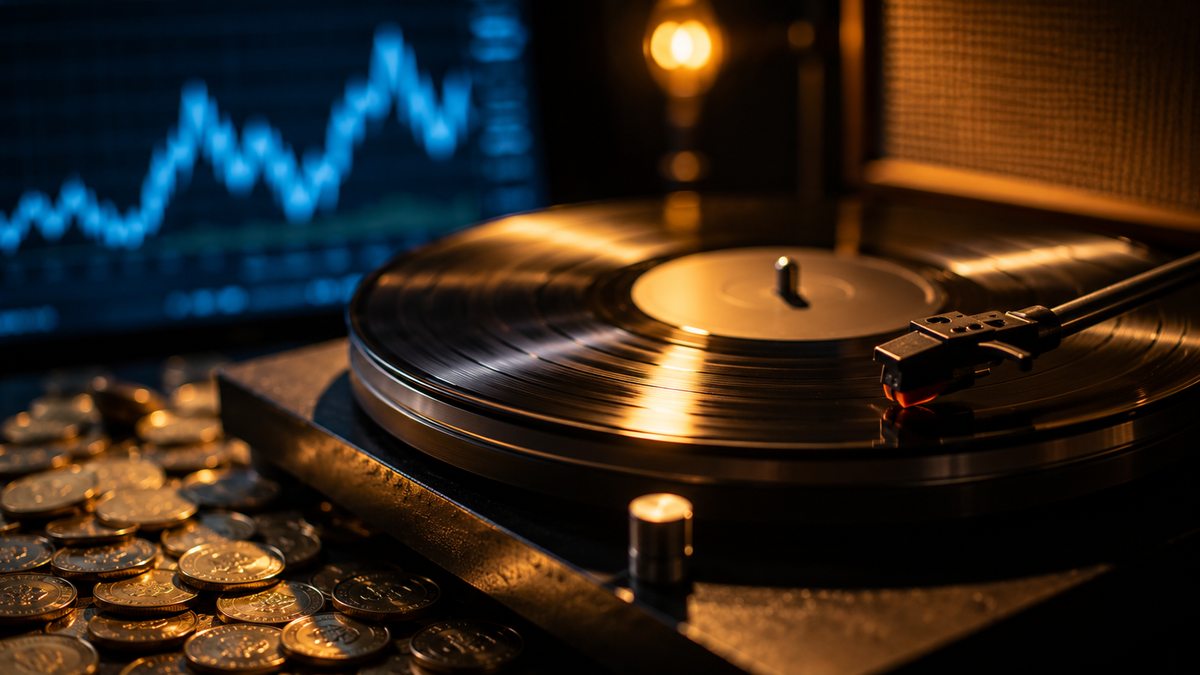
What changed? Streaming. A hit from 1991 now earns a small, predictable royalty every time it's played on Spotify, in a movie, or in an ad — forever. Those royalties are remarkably steady and barely correlated to the stock market, which is exactly what big investors crave. A back catalog has quietly become a bond-like income stream wearing a cowboy hat.
The Lesson for the Rest of Us
You can't buy Garth Brooks's catalog, and we wouldn't suggest it. But the logic behind these deals is the same logic that drives a big part of how we build portfolios: durable, predictable cash flows are worth a premium, especially when the rest of the market is paying any price for growth.
It's the same instinct that has Warren Buffett buying boring homebuilders this week while everyone else chases AI chips. Whether it's a song royalty, a dividend, or a toll-road business, an income stream that keeps paying through good times and bad is one of the most underrated things you can own.
What This Means For The Book
No trade — a principle. The reason catalogs, dividends, and quality compounders all command premiums is the same: dependable cash flow is scarce and valuable. It's why we anchor the book with cash-generative quality (Berkshire, the dividend sleeve) even while we lean into the AI growth names.