Crimea Went From Crown Jewel To Maintenance Nightmare.
Russian-installed authorities declared a state of emergency on the peninsula Friday — and oil fell anyway. When a strategic chokepoint goes dark and crude keeps sliding, the market is telling you something about your energy sleeve.
Capital Wealth Daily · Analysis by Sean Anees Saifi · June 27, 2026
More than a hundred strikes a day — the inspection report Putin should have read first.
The Crown Jewel Goes Dark
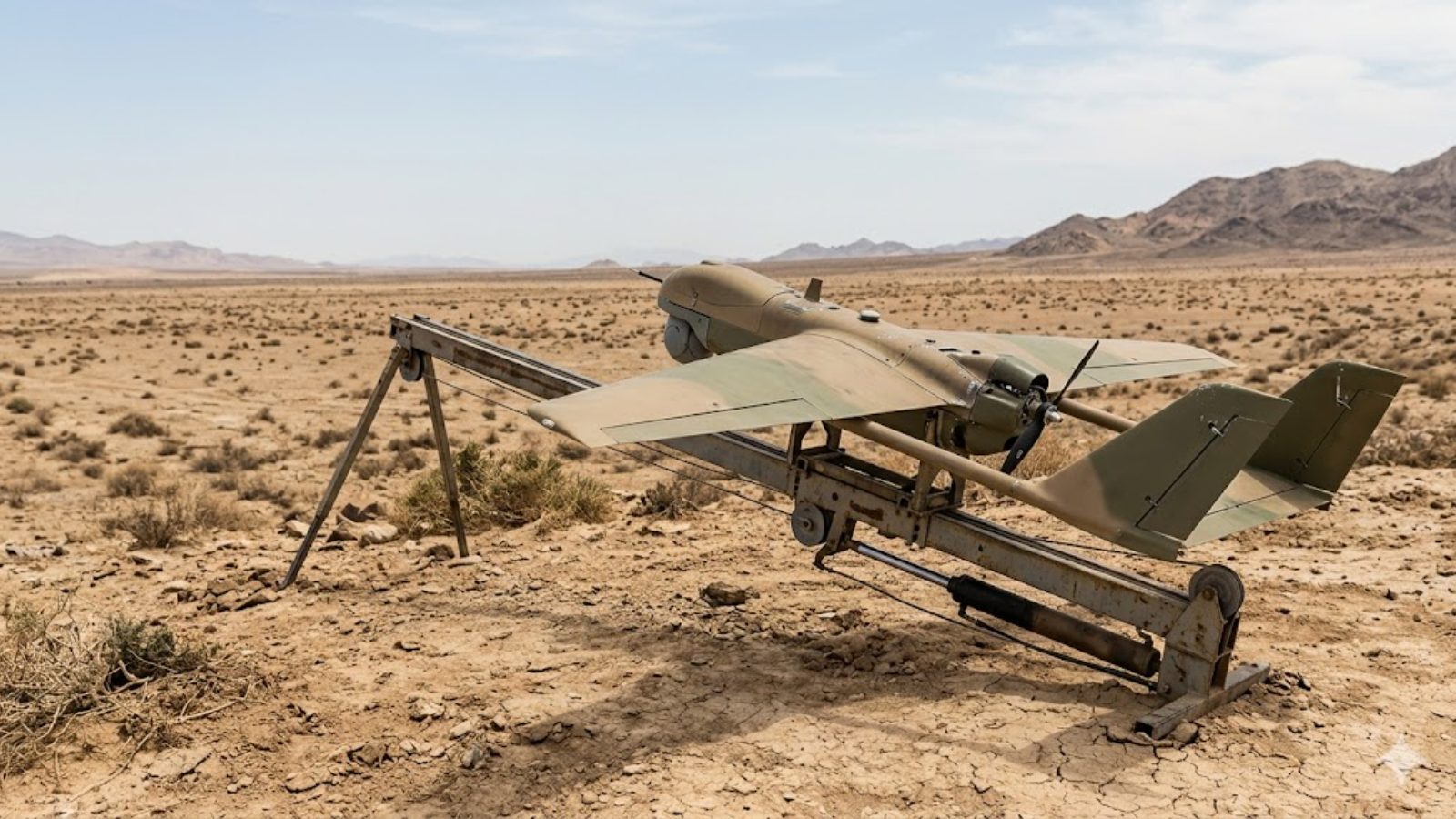
Russian-installed authorities declared a state of emergency in Crimea on Friday. The reason was unglamorous and relentless: Ukraine’s campaign of more than a hundred drone strikes a day has collapsed the peninsula’s transport and electricity infrastructure — and it landed just as tourism season, Crimea’s economic engine, was kicking off. The Journal frames the 2014 “crown jewel” annexation as turning into, in its words, “an albatross around Putin’s neck.”
The diplomacy hasn’t moved. Zelensky has repeatedly offered to halt along the current front lines; Putin has refused. So the prize that was supposed to be a trophy is now a line item in the maintenance budget, and the war grinds on with no off-ramp either side will take.
The Tell Is In The Oil Price
Here is the part that matters for a retirement portfolio, and it is counterintuitive: oil fell $2.69 to $69.23 this week even as a strategically important peninsula went dark. A year ago, a headline like “state of emergency declared near the Black Sea” would have put a bid under crude. This week it didn’t.
That tells you the market has made a decision. The Iran-and-Russia energy premium — the fear money that had been priced into a barrel all spring — is deflating, not building. Crude ran from a March peak above $118 all the way back below where it started, and a fresh geopolitical shock barely registered. When bad news stops moving a price, the bad news is no longer what’s in charge.
When a strategic peninsula goes dark and oil falls anyway, the war premium isn’t building — it’s draining out of the barrel.
A Tailwind And A Headwind At Once
Cheaper oil cuts two ways depending on who you are. For consumers — the retiree filling the tank and reading the grocery receipt — a deflating energy premium is a genuine tailwind. It is the disinflation lever working in your favor. For an energy sleeve that fattened up on geopolitical fear over the spring, the same move is a headwind: the war premium that padded those earnings is exactly what’s leaking away.
That doesn’t mean sell energy. It means you should never have owned it for the headline in the first place. ExxonMobil (XOM) and Chevron (CVX) belong in the book for the integrated cash flow and the dividend they pay across the cycle — not for a bet that a drone strike sends crude to $120. The defense side, names like Lockheed Martin (LMT), works the same way: you own it for the multi-year, government-funded order backlog, not for any single Friday’s news from the Black Sea.
What This Means For The Book
This is why the energy & defense sleeve is sized for the long arc, not the headline. We hold ExxonMobil (XOM) and Chevron (CVX) for the cash they generate in a $69 world and a $118 world alike, and we hold Lockheed Martin (LMT) for a rearmament backlog that outlasts any one cease-fire. A week where a strategic peninsula goes dark and crude still falls is a reminder that the premium giveth and the premium taketh away — so we don’t let the sleeve’s weight ride on it. Own the cash flow through the calm and through the storm, and let the geopolitics be a footnote rather than the thesis.
Want to talk about where a theme like this does — and doesn’t — belong in your plan? Bring your statement; we translate the headline into a position-level decision.