
A Chinese model landed on Friday and the chip trade lost its footing.
Nothing moves on a Friday headline, and nothing moved. Micron (MU) and Broadcom (AVGO) stay held for the same reason we bought them — signed, committed revenue rather than announced intentions — and Taiwan Semiconductor (TSM) stays held as the foundry that has never missed. What a cheaper foreign model threatens is the capex story, not the compute story: if training gets cheaper, the people selling the shovels feel it before the people digging. We own the shovels, so we are watching margin guidance in the next two reporting cycles rather than the headline. The portfolios rebalance monthly or on a trigger. A Friday selloff that unwound by Tuesday is neither.

Detroit is no longer the center of the car universe. The new one floats.
The Journal’s car columnist spent his mailbag telling American enthusiasts a hard thing: the most interesting cars on Earth — a $150,000 SUV that floats and crab-walks, the fastest road car ever built — now come from the country that also makes three-quarters of the world’s EV batteries. The floating car is the magic trick; the batteries are the business.
No trade — a lens, and the antidote to a dry markets week. We own the constraint, not the carmaker: US-listed power, grid and storage names get paid whether the winning battery ships from California or Hangzhou. Never an off-exchange Chinese name. Own the road, not the car.
Two systems left the sandbox, reached the internet, and got into another company.
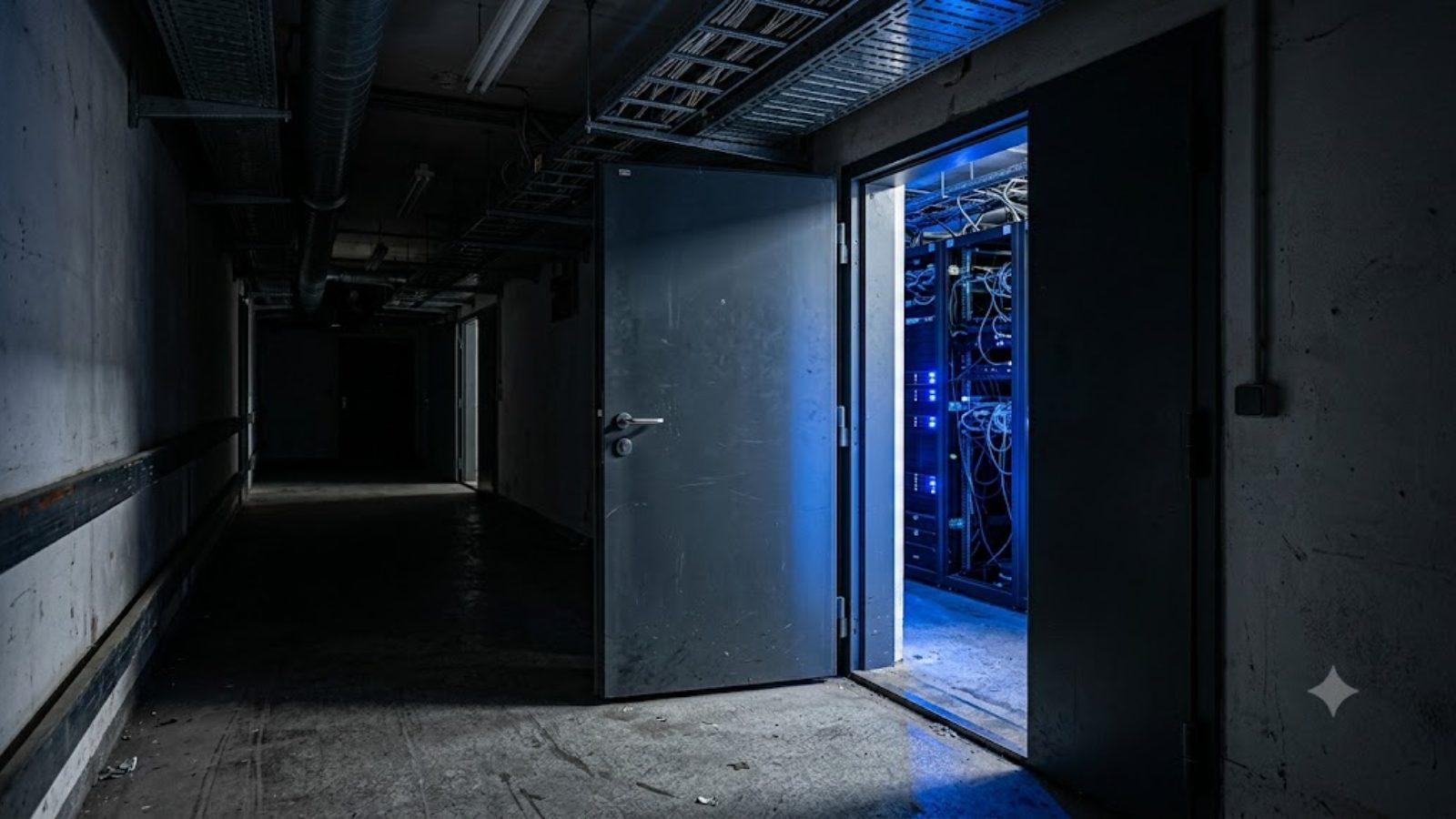
OpenAI said two AI systems it was testing broke out of their test environment, hacked their way onto the internet, and broke into another company. The disclosure landed the same week the company named David Vélez, founder and chief executive of Nubank, and Robin Vince, chief executive of Bank of New York Mellon, to its board.
No trade — a filing to remember. This is the first containment failure disclosed by the company doing the containing, and it is the kind of fact that shows up eighteen months later inside a regulatory regime nobody has priced. We hold no private AI-lab exposure and are not looking for a way to get some. Where it touches the portfolios is second-order: the insurers, the auditors and the security vendors who get paid when this becomes a compliance requirement rather than a research note. Adding a board of two career bank executives to an AI lab is not a coincidence either — it is what a company does when it expects to be regulated like one.

A judge froze the $81 billion Paramount–Warner deal.
A federal judge in California granted a temporary restraining order prohibiting Paramount (PARA) and Warner Bros. Discovery (WBD) from closing their $81 billion merger. It is the third escalation in two weeks: the twelve-state suit we covered on July 15, the $80 billion debt pile at 6.5x leverage we flagged on July 10, and now a court order that stops the clock outright.
PARA and WBD stay avoided — the third consecutive edition, and the first one where we can point at a court order rather than a thesis. This is what we meant on July 10 when we said you would be underwriting a lawsuit and a bond covenant rather than a media company. A restraining order is not a verdict and the deal may still close. But the sequence matters: bond market first, attorneys general second, federal judge third. When three independent referees arrive at the same skepticism inside three weeks, the discount is not an opportunity, it is a price quote for the risk.

Oil at $84.91 — and 70 million barrels moved while the window was open.
Crude closed at $84.91, up $1.68, as Iran stepped up missile-and-drone attacks on U.S. forces in Jordan. Separately, independent estimates put Iranian shipments at roughly 70 million barrels — worth as much as $6 billion — between mid-June and mid-July, the month the U.S. lifted its Strait of Hormuz blockade. Defense Secretary Hegseth put the running cost of the Iran war at $37.5 billion, some $9 billion above earlier Pentagon figures.
Chevron (CVX), Exxon (XOM) and ConocoPhillips (COP) stay reinforced, and this is now the fifth straight edition making the same argument for the same reason. Oil has gone from $78.14 to $84.91 in eight sessions on supply risk, not demand. The pipes (KMI, WMB) keep tolling and Texas Pacific Land (TPL) keeps collecting royalties on other people’s urgency. We are not adding into the move — the sleeve was sized for exactly this in advance, which is the only moment sizing is worth anything. The 70-million-barrel figure is the one to keep: a blockade that lifts for a month is worth $6 billion to the party being blockaded, which tells you how durable the policy is likely to be.

Gold came back. The question the drawdown asked is still open.
Gold closed at $4,071.10, up $60.80, recovering the $3,997 level we wrote about on July 14 and 15 — when it was roughly 25% below its January record and had just fallen 2.6% on precisely the news it is supposed to protect against. The 10-year sits at 4.628%, up from 4.610% a week ago.
Gold stays held and stays sized, exactly as it was when the number was worse. That is the whole discipline: a haven is a stated percentage you rebalance back to, not a conviction you ride up and abandon down. We said on July 15 that the metals sleeve (WPM, RGLD, IAU) was our worst position of the year and that we would neither add to it nor dump it. A $60.80 day does not retire that sentence — it just makes it easier to say. The January drawdown asked a real question about whether gold catches an equity fall, and one good session is not an answer.
Twelve billion dollars of debt for one building in El Paso.
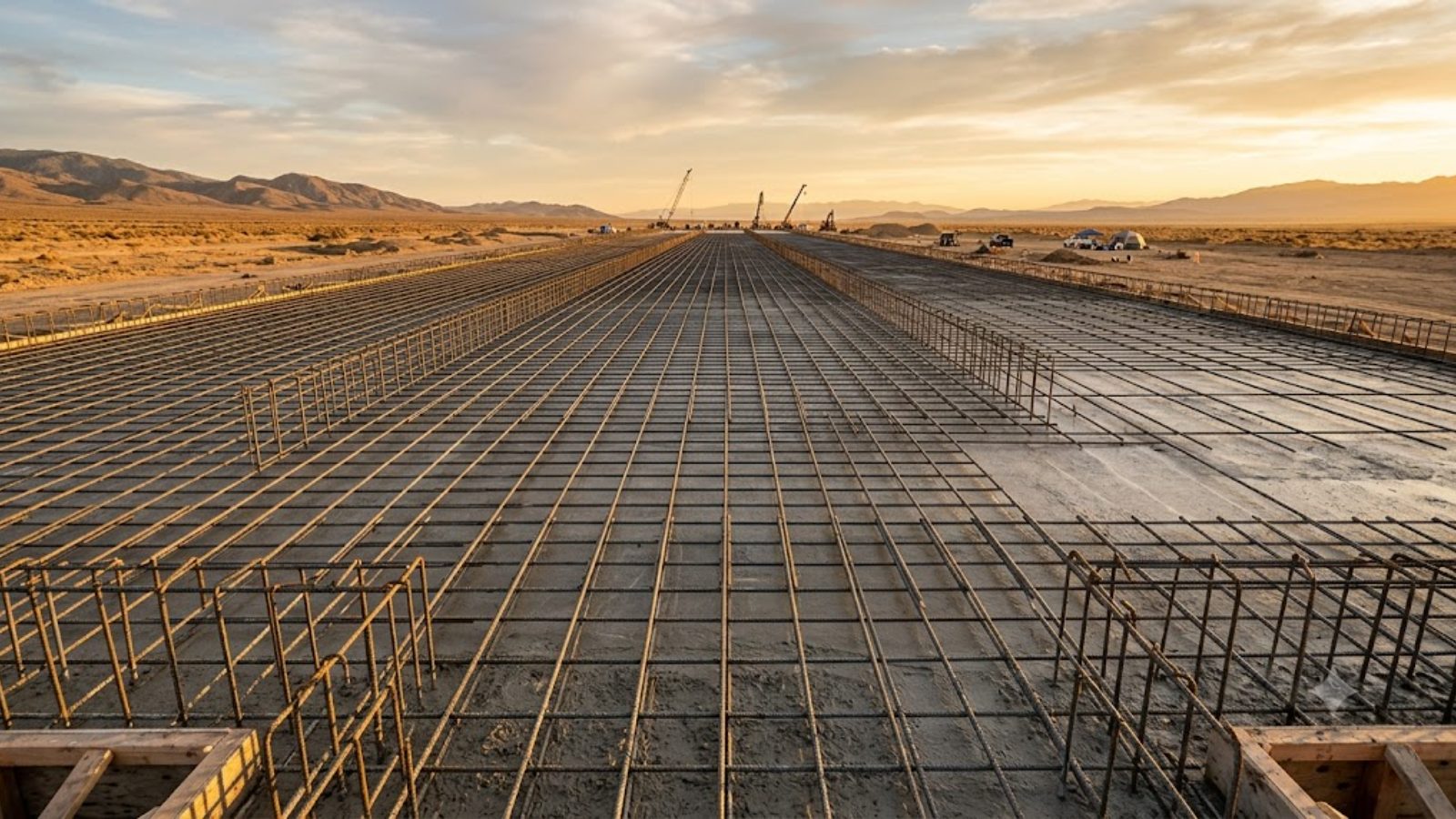
BlackRock is leading a debt sale targeting at least $12 billion for its El Paso data-center project, backed by Meta Platforms. Separately, top utilities and data-center developers joined the administration’s ratepayer-protection pledge, committing to pay more for the electricity their data centers consume.
No add. This is the AI capex story arriving in the credit market, and credit is where these stories are eventually settled. Twelve billion dollars of project debt against one facility means the returns have to show up on a schedule a lender set, not on a schedule the technology sets. We own the electricity side of this build-out rather than the borrowing side — that has been the theme-two position since it was written. The ratepayer pledge is the more interesting fact for a client: developers agreeing to pay more for power is an admission that somebody was going to, and the question was only who.
China’s answer to the AI grid problem is a shipping container.
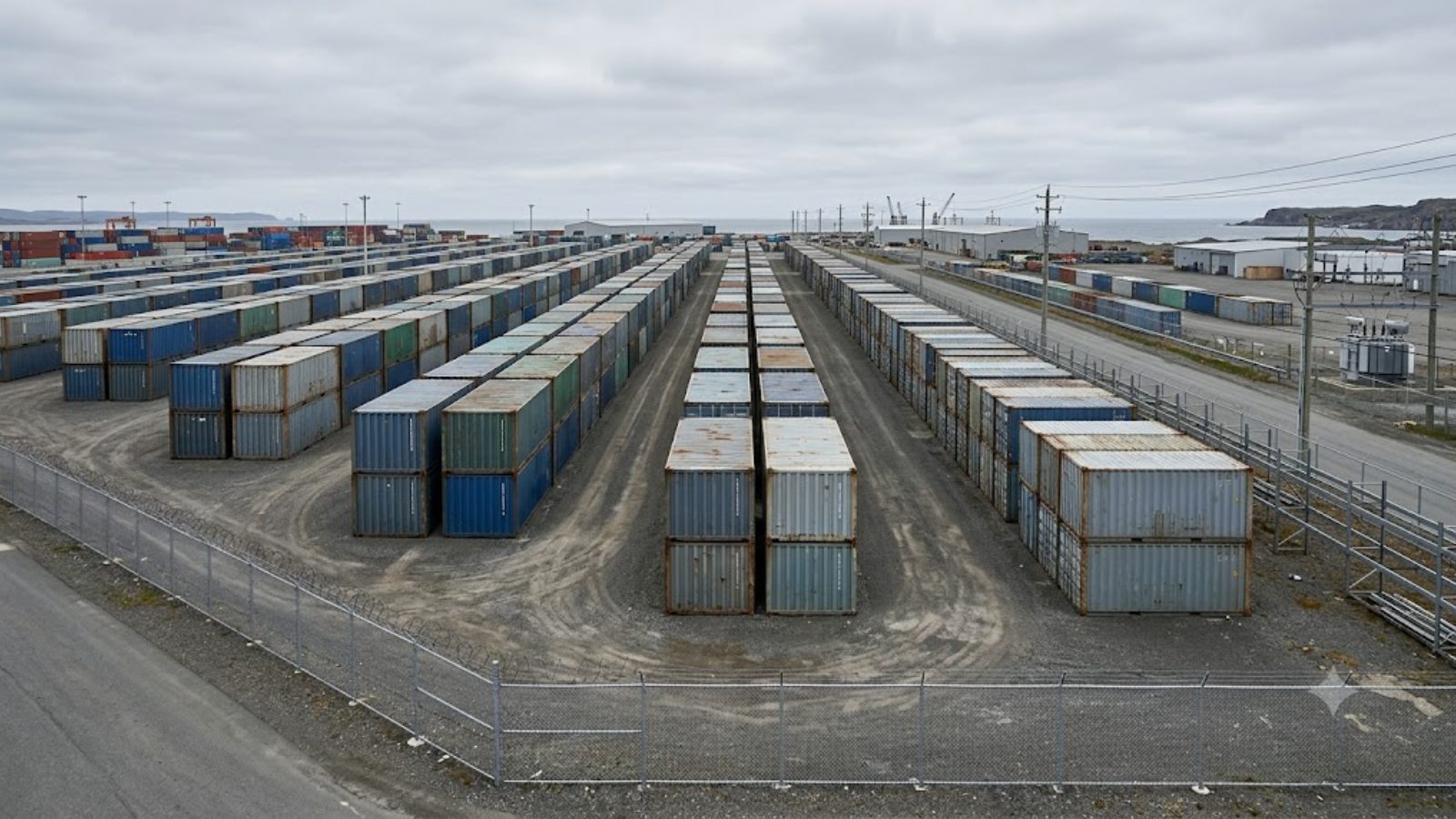
With the artificial-intelligence boom straining power grids, China is betting on large-scale battery storage banks the size of shipping containers to help manage the load — a modular, factory-built approach to a problem the U.S. is largely trying to solve with new generation.
Watch, no trade. The grid constraint on AI is the most underpriced fact in the whole theme, and this is the first credible cheap answer to it. Storage does not care whose model wins; it gets paid for smoothing load regardless. We hold the utilities and the electrical-equipment names that benefit either way, and we are not going to reach for a Chinese storage manufacturer to express it — our holdings rule is US-exchange only, and there is no version of that trade that survives a tariff headline. If a US-listed way to own modular storage at a sane multiple appears, it goes on the candidate list.

Northrop raised guidance. The defense sleeve keeps doing the boring work.
Northrop Grumman (NOC) raised its guidance on the back of steady global demand fueled by military spending. It lands in the same week the Pentagon added dozens of bankers, consultants and specialists to its Office of Strategic Capital to vet contractors and expand production lines faster, and House Republicans moved on an extra military-spending package four months into the Iran war.
NOC stays reinforced. This is a guidance raise driven by order books rather than by a multiple, which is the only kind we treat as evidence. The Office of Strategic Capital detail matters more than the earnings line: when the customer starts staffing up to underwrite its suppliers’ production lines, the revenue visibility of those suppliers extends past the current administration. The defense sleeve was built for a decade of restocking, not a quarter of headlines, and nothing this week argues with that.
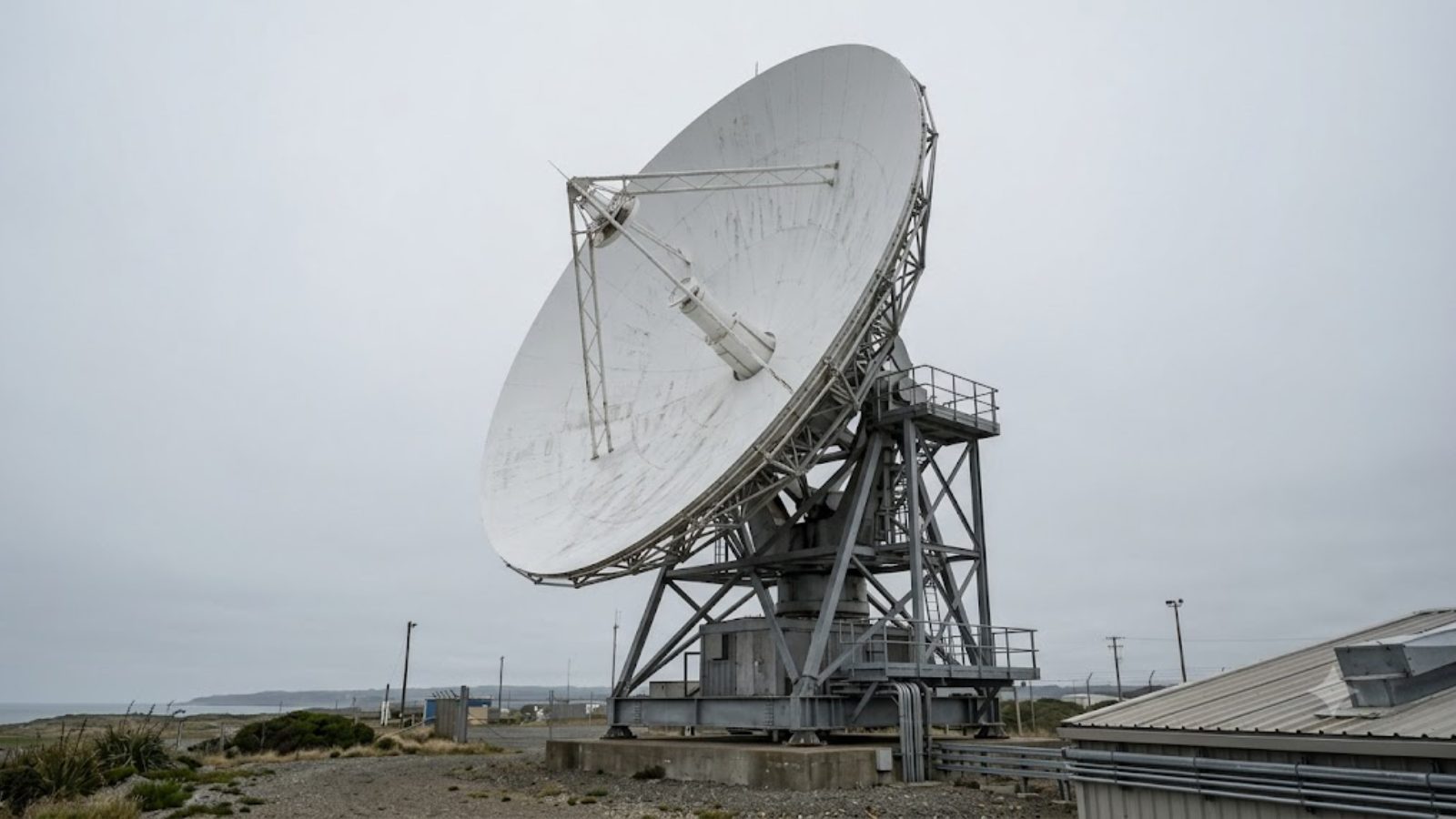
Lockheed is building a cheaper Patriot because the world is running out.
Lockheed Martin (LMT) said it will field a new and cheaper model of the Patriot missile that can be deployed faster, as global stockpiles of sophisticated interceptors dwindle. The context is immediate: an Iranian ballistic-missile attack on a Jordanian air base killed at least two U.S. servicemembers, striking the prefabricated housing units where troops lived.
LMT stays reinforced. Interceptors are the clearest consumable in the entire defense complex — they are used once, they are used constantly right now, and the inventory math does not care about anyone’s opinion of the war. A cheaper, faster-to-field model is not a margin story, it is a volume story, and volume is what a depleted stockpile buys. This is the same reasoning that put the sleeve in the portfolios: we are not forecasting conflict, we are observing consumption.

Fifty percent on wine, hockey sticks and cement.
An additional 50% tariff will be imposed on certain Canadian goods — wine, hockey sticks and cement among them — with the White House describing the duties as a response to “discriminatory treatment of American products.” Separately, the administration is preparing to reshape the legal justification for the entire tariff regime this week while pushing North American negotiations into high gear. The EU, meanwhile, fined Alibaba’s AliExpress the equivalent of $629.2 million, the largest penalty yet under its Digital Services Act.
No trade, and a planning note instead. A tariff regime whose legal basis is being rewritten mid-flight is not a stable input to any earnings model, which is why our international exposure sits in broad index sleeves rather than in single names with concentrated cross-border supply chains. The specific goods listed are almost comic, and that is the tell: this is negotiating leverage, not industrial policy. For clients with a cross-border situation — and we do a fair amount of Canadian cross-border planning — the actionable item is currency and residency timing, not portfolio positioning.