

The Justice Department stopped charging the companies.
No trade — a governance note, and an important one. A generation of corporate-risk analysis assumed a baseline rate of federal enforcement, and that assumption is being revised in real time. The naive read is that this is good for shareholders because fines shrink. The more careful read is that enforcement risk does not vanish, it relocates: to state attorneys general, to private litigation, and to whichever administration comes next with a different view and no statute of limitations problem. We are not repricing any holding on this. We are noting that “regulatory risk is low” is now a statement with a date attached to it.
Somebody paid $2.9 billion for a bag of chips.
Utz Brands agreed to be taken private by the German salty-snacks maker Intersnack Group at an enterprise value of about $2.9 billion. In the same week, Hasbro raised its full-year outlook after swinging to a profit, and Domino’s reported higher profit and revenue but slowing same-store sales growth.
No trade, and a confirmation of a theme we have been writing for a month. The most durable consumer businesses are the small affordable luxuries people protect when they cut everything else — the same argument that put Dollar General (DG) in the value books and the same one behind the sparkling-wine note on July 15. A strategic buyer paying a full price for a salty-snacks portfolio is that thesis being validated with somebody else’s money. The Domino’s detail is the counterweight worth naming: profit up, same-store growth slowing. The consumer is not broken, but they are doing arithmetic at the register.

Britain is on its seventh prime minister in a decade.
Andy Burnham arrived at Downing Street as Britain’s seventh prime minister in ten years, pledging that a bigger, more muscular state can solve the country’s economic problems and restore political stability.
No trade. Our international exposure is index-level for exactly this reason: seven governments in ten years is a policy environment nobody can underwrite from a spreadsheet, and the answer to unforecastable politics is breadth, not a view. Sterling assets are held inside broad developed-market sleeves and will stay there. The useful client-facing observation is comparative rather than tactical — a decade of political churn produced a stock market that mostly kept paying dividends, which is a reasonable argument against reorganizing a portfolio around any election.

Ukraine changed commanders with the protesters still outside.
President Zelensky dismissed General Oleksandr Syrskiy as head of Ukraine’s armed forces, days after removing the tech-savvy defense minister Mikhailo Fedorov, who had criticized Syrskiy for adapting too slowly to avoid bloody battles against a more powerful foe. Protesters have thronged Kyiv. Separately, an American manufacturer will for the first time build drone boats designed and battle-tested by Ukraine, as the Pentagon expands its autonomous-weapons arsenal.
No trade. The line worth following for the portfolios is the second one: Ukrainian-designed drone boats entering American production is the clearest signal yet that the autonomous-weapons category has moved from improvisation to procurement. That is a defense-sleeve theme with a long runway, and it favors the primes with production capacity and the electronics suppliers underneath them — which is where the sleeve already sits. Command turmoil in a war we cannot forecast is not an investment input.

The most-watched World Cup ever is now a media-rights auction.
Spain beat Argentina 1-0 in extra time in East Rutherford to win its second World Cup, closing out the most popular tournament ever staged. In the wake of it, FIFA is planning to cash in on media rights for the 2030 and 2034 tournaments.
No trade, but a live thesis. Sports rights are the last genuinely appointment-driven inventory in media, and the Paramount–Warner mess is a reminder of what happens to media companies that own everything except that. We do not own a pure-play rights holder and would not chase one into an auction. The observation for clients who follow the World Cup coverage we ran all month: the tournament ended, and the asset it created is only now being sold.
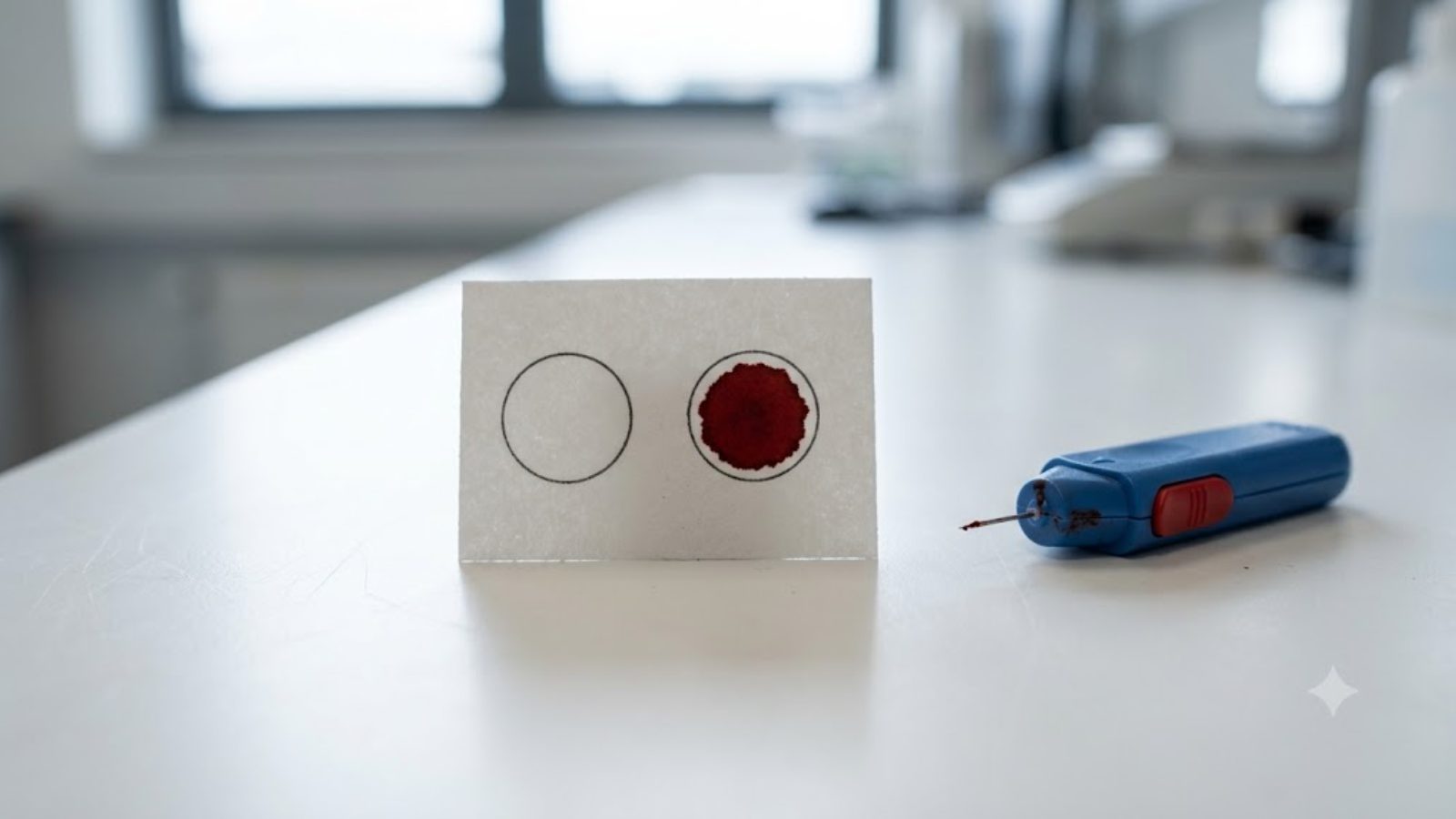
You can now test your own blood for plastic.
Scientists are just starting to measure the levels of microplastics in the human body — particles we inhale and ingest from nearly everything we touch, breathe, eat and drink, some of which accumulate. Growing evidence suggests they may negatively affect health, and at least one consumer test will now measure them in blood and saliva.
No trade, and we are not going to pretend otherwise. This is in the edition because it is the kind of slow, compounding, badly-measured risk that behaves exactly like the financial ones we spend our days on: everybody carries some, nobody knows their number, and the instinct is to avoid finding out. That is Risk 08 on our own map wearing a lab coat. The planning parallel is the one worth keeping — the cost of measuring something unpleasant is almost always lower than the cost of assuming it away.

A $1,300 detour around the airport.

Parents are fighting to get recess back.

Cooking for a smaller appetite.