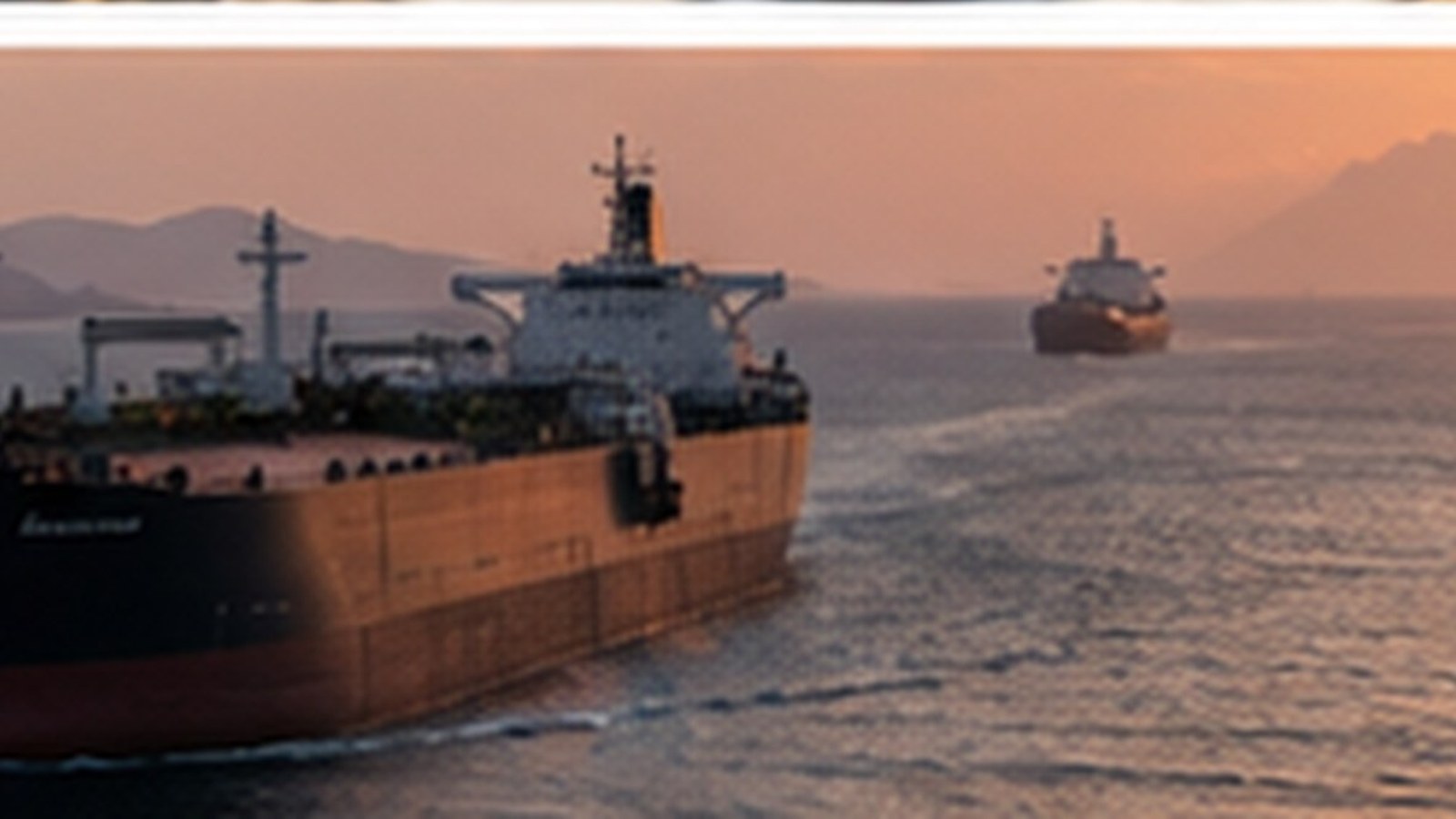
Insurance is the one product you buy hoping to waste your money. This week the oil market delivered a rare sight: the insurance paying out and the accident starting to end, at the same time.
Start with the payout. Saudi Aramco, the world’s biggest oil company, reported quarterly profit of $33 billion — up by a third from a year ago. It sold its oil at about $108 a barrel on average, versus $67 in the same quarter last year.
It earned that while shipping dramatically less. With the Strait of Hormuz closed — the narrow waterway most Gulf oil normally passes through — Aramco moved about 4.6 million barrels a day in June, down from 7.3 million in February. A third less product, a third more profit. Scarcity does the arithmetic.
How does a company export at all with its front door shut? Plumbing. The East-West pipeline to the Red Sea can carry 5 million barrels a day and is loading about 3 million. Egypt’s Sumed line adds 2.5 million more. Even that route is not clean — Houthi attacks in the Red Sea can add up to 25 days by forcing tankers around the southern tip of Africa.
Through all of it, Aramco’s dividend — the cash it pays shareholders — held at roughly $21.9 billion for the quarter. Saudi oil revenue is up 22%. High prices covered every workaround.
The accident may be ending
The other half of the story arrived the same week. Iran and Oman are reported to be near a deal to reopen Hormuz: one shipping lane inbound near Iran’s side, one outbound near Oman, and no tolls.
The strait matters because Gulf oil flows are running at roughly 36% of prewar levels. Goldman Sachs sees Brent crude — the world benchmark price — holding in the $80–90 range barring either a deal or an escalation. The market priced the deal first: West Texas crude settled at $75.77 on Tuesday, down $4.57 in a day, then slipped to $75.22 on Wednesday.
Why would Iran make a deal? Because the closure is bleeding Iran worse than anyone. The IMF projects Iran’s economy will shrink 6% this year, with inflation near 69%. A blockade is a weapon you also point at yourself.
What a hedge is for
Here is the part that matters for your money. A hedge is simply a position you hold so that one bad event cannot hurt your whole plan. On Tuesday we added to our energy holdings — Chevron (CVX) and Williams (WMB). We sized them the way you size insurance: small enough to hold without thinking, large enough to matter when the world misbehaves.
If oil spikes, those holdings pay. If peace breaks out, we own well-run companies paying dividends their profits comfortably cover. There is no version of this where we need to be right about a war.
This quarter was the live demonstration. The closure sent crude past $100, and energy producers earned record profits. Now a reopening deal knocks crude back to the mid-$70s — and the position does not become a mistake. It goes back to being a dividend payer.
Compare that with the alternative some investors chose: betting big on $120 oil. Those investors need the strait to stay closed. Needing a blockade to continue is not a strategy. It is a hostage situation with a brokerage account.
So we will not trim on peace headlines, and we would not have doubled up on war headlines. The whole point of insurance is that you stop adjusting it every time the weather changes.