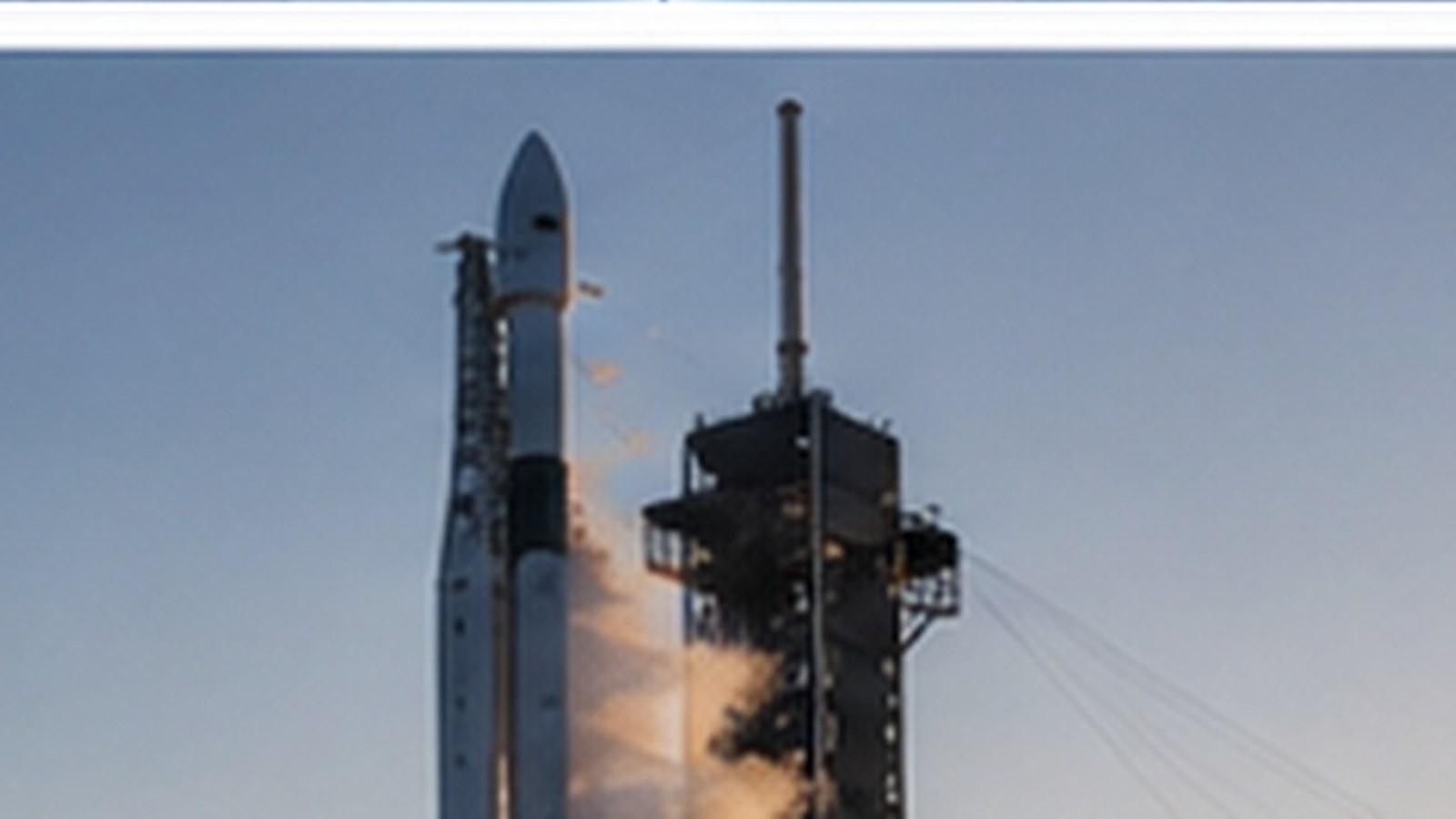
For twenty years, SpaceX told its story through launch webcasts. Rockets soared. Engineers cheered. Nobody showed a bill. This week the company told its story the other way — in its first quarterly report as a public company. Quarterly reports do not cheer.
The good news was genuinely good. SpaceX brought in $7.8 billion in revenue last quarter, up 92% from a year earlier. Revenue is simply the money coming in the door, and this much of it, growing this fast, is rare.
Starlink, its satellite internet service, now has 12 million subscribers — double a year ago. Starlink alone brought in $4.29 billion, up 66%, and is now about 55% of everything SpaceX sells.
So why did the stock fall 9% after the earnings call and 14% on Wednesday?
Because the same report showed the company lost $541 million. And it spent $18.4 billion on buildings and equipment in a single quarter — $15.8 billion of that on an artificial-intelligence build-out, double the pace of the quarter before.
Eighteen billion dollars in three months. That is not a budget. That is a weather event.
Bigger promises
On the call, Elon Musk did what he does: he raised the stakes. Data centers growing from 2 gigawatts to 10. Data centers in orbit by 2027. A trillion dollars of revenue by 2030.
Some context on that trillion. SpaceX's sales today, over a full year, run in the low tens of billions. The 2030 promise asks investors to believe the company grows roughly thirty-fold in four and a half years — powered partly by data centers that do not exist yet, in space, where nothing exists yet.
The rocket that makes the space math work is Starship, and Starship is still a teenager. Five of its 13 launches have failed or raised concerns. The goal is to carry cargo for $185 per kilogram, versus roughly $2,700 on today's Falcon 9 rocket. One research firm, MoffettNathanson, figures it would take about 143 Starship launches to put a single gigawatt of computing in orbit.
The promise is not impossible. It is just not priced.
A short stock history
Remember how we got here. SpaceX went public on June 12 in the largest IPO ever — an IPO is a company's first sale of stock to the public — raising $86 billion at a $1.77 trillion value.
The stock priced at $135. It spiked above $225. It now trades near $115, below where it started.
Even after that ride, the shares cost about 28 times the company's expected yearly sales. Not profits. Sales. At that price, the plan has to go perfectly, and the losses have to be temporary.
A launch webcast is a performance. A quarterly filing is closer to sworn testimony. We prefer companies that sound the same in both rooms.
A story vs. a business
None of this makes SpaceX a bad company. It may be one of the great engineering achievements of the century, and Starlink's growth is real, audited, and remarkable.
But this report teaches a lesson worth sharing with every grandchild who asks about the stock. Starlink is a business: twelve million customers paying every month, growing 66% a year. The orbital data centers are a story: thrilling, possibly true, and very expensive.
The quarterly filing forces both onto the same page, priced in the same dollars. Webcasts never did that.
Public markets check enthusiasm every three months. The meter just started running.