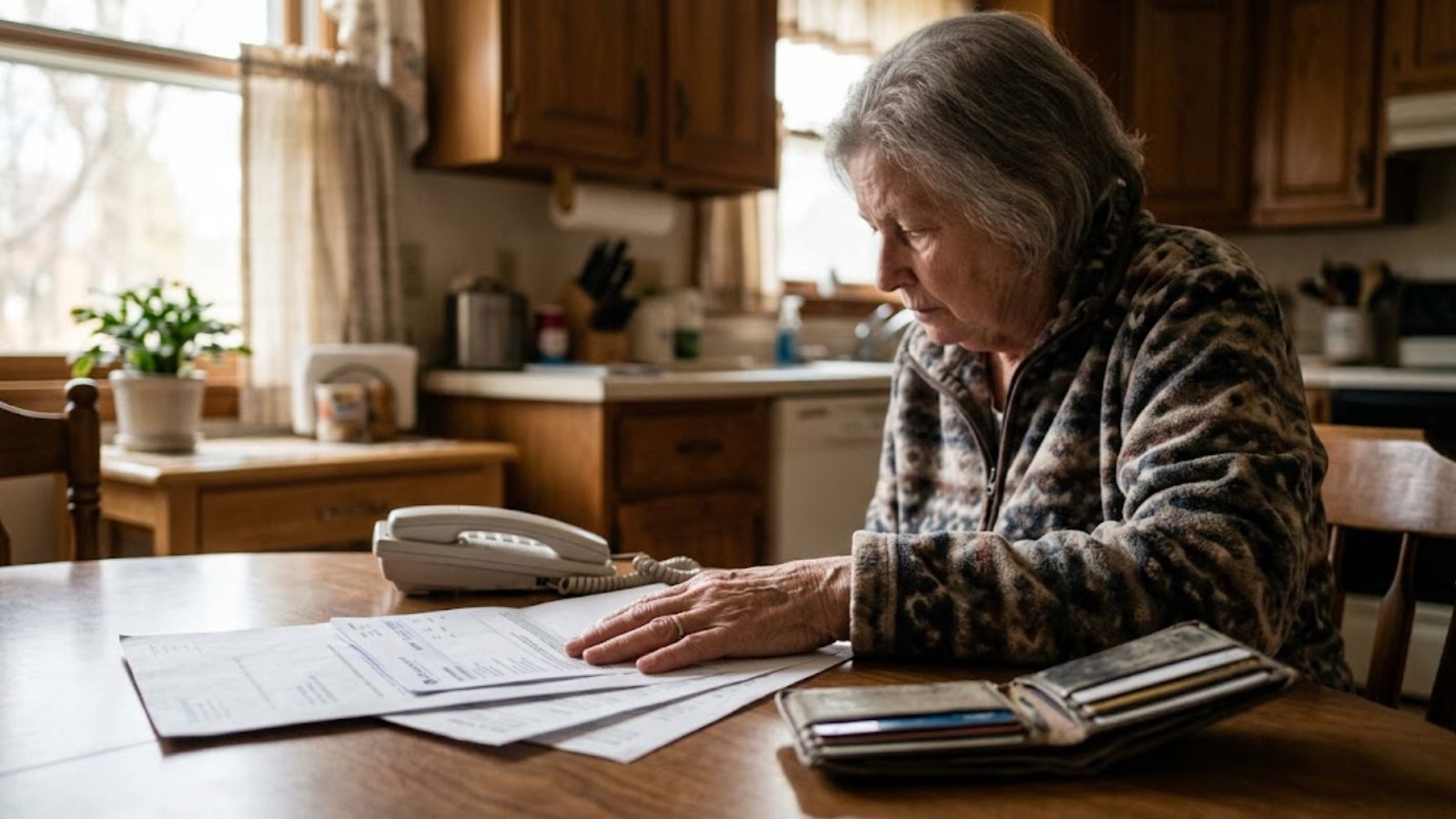
Kimberly Fudge of Tampa spent close to ten hours on the phone one day, convinced she was talking to sheriff's deputies about missed jury duty. She was actually talking to at least five different scammers, working her in shifts, like a pit crew. By the time it ended, $25,000 of her money was gone.
Sit with those numbers. Ten hours. Five voices. One script. This was not a failure of intelligence. It was a professional operation running a play it has run thousands of times, against a person who had never seen it once. Their rehearsal against your surprise — that is the entire business model.
How the play works
The call opens with authority: you missed jury duty, and there is a warrant with your name on it. Then comes urgency: this must be settled today, right now, before the shift ends. Then the crucial move — isolation: stay on the line, do not hang up, do not tell anyone. Panic does the rest of the work for free.
The money left the way it always leaves: cash fed into deposit machines, PayPal transfers, cash advances drawn on cards. Real courts use none of these. Not one. That single fact should end every one of these calls in the first minute. Yet the calls run for hours, because fear is louder than facts.
Here is the detail that will stay with you. At one point, her husband described the situation to ChatGPT — and even the chatbot flagged it as a scam. The machine knew. Information was never the problem. The problem is that panic, professionally applied, closes the exact door that information walks through.
A growth industry
Her corner of Florida is no outlier. Pasco County has logged 44 jury-duty scam reports this year, up from 25. Nationally, impostor scams — crooks posing as deputies, courts, banks, and government agencies — cost Americans $3.5 billion in 2025. That is roughly triple the 2020 figure.
Triple, in five years. This industry has grown like a tech startup, and its product is your adrenaline.
And remember: $3.5 billion is only what got reported. Embarrassment keeps an unknown share of losses silent, which means the real number is worse and the real caseload is larger than any county's tally shows.
Notice who the targets are. Not the careless — the conscientious. People who respect the law, answer the phone politely, and are horrified at the thought of having missed a civic duty. The scam is engineered to weaponize decency. That is what makes it effective, and that is what makes it enraging.
The fridge rule
So here is the takeaway, and we mean this literally: write it down and tape it to the refrigerator.
Hang up. Look up the agency's real phone number yourself. Call back on your own dial. Not the number the caller gives you. Not the number in a text. The one you find independently, on the official website. If the warrant were real — it never is — it would still be real after a ten-minute pause and a verified phone call.
And the follow-up rule that settles every case instantly: no court, no sheriff, no government agency on Earth collects money by gift card, PayPal, wire transfer, or cash-deposit machine. The moment the payment method gets weird, the call is fake. Every single time.
One more thing, and it may be the most important. Share this with the people you love — especially older parents. The scam's best friend is embarrassment: victims stay silent, families never compare notes, and the play keeps working, house by house. The fridge rule protects best when the whole family has read the fridge.