The July inflation report landed Wednesday morning with all the drama of a librarian returning a stapler. Prices rose 0.1% for the month. The annual rate slipped to 3.4%, from 3.5%. One tenth of one percent. That was enough to end a two-day market sulk and nudge the S&P 500 up 0.26%.
A quick translation first. Inflation is the speed at which prices rise. A 3.4% annual rate does not mean prices are falling. It means the basket of groceries that cost $100 last August costs $103.40 today. Cooler inflation is simply prices rising more politely. Anyone who has bought groceries lately already had that figured out.
Core inflation — the version that skips food and energy so the number bounces around less — rose 0.2% in July and now runs 2.5% for the year. The Federal Reserve wants 2%. Closer is not there.
What actually cooled
Gasoline did the heavy lifting. Pump prices fell 2.9% in July, which flattered the whole report. Shelter — rent and housing costs, the slowest-moving part of the index — rose only modestly. Good news, mostly borrowed.
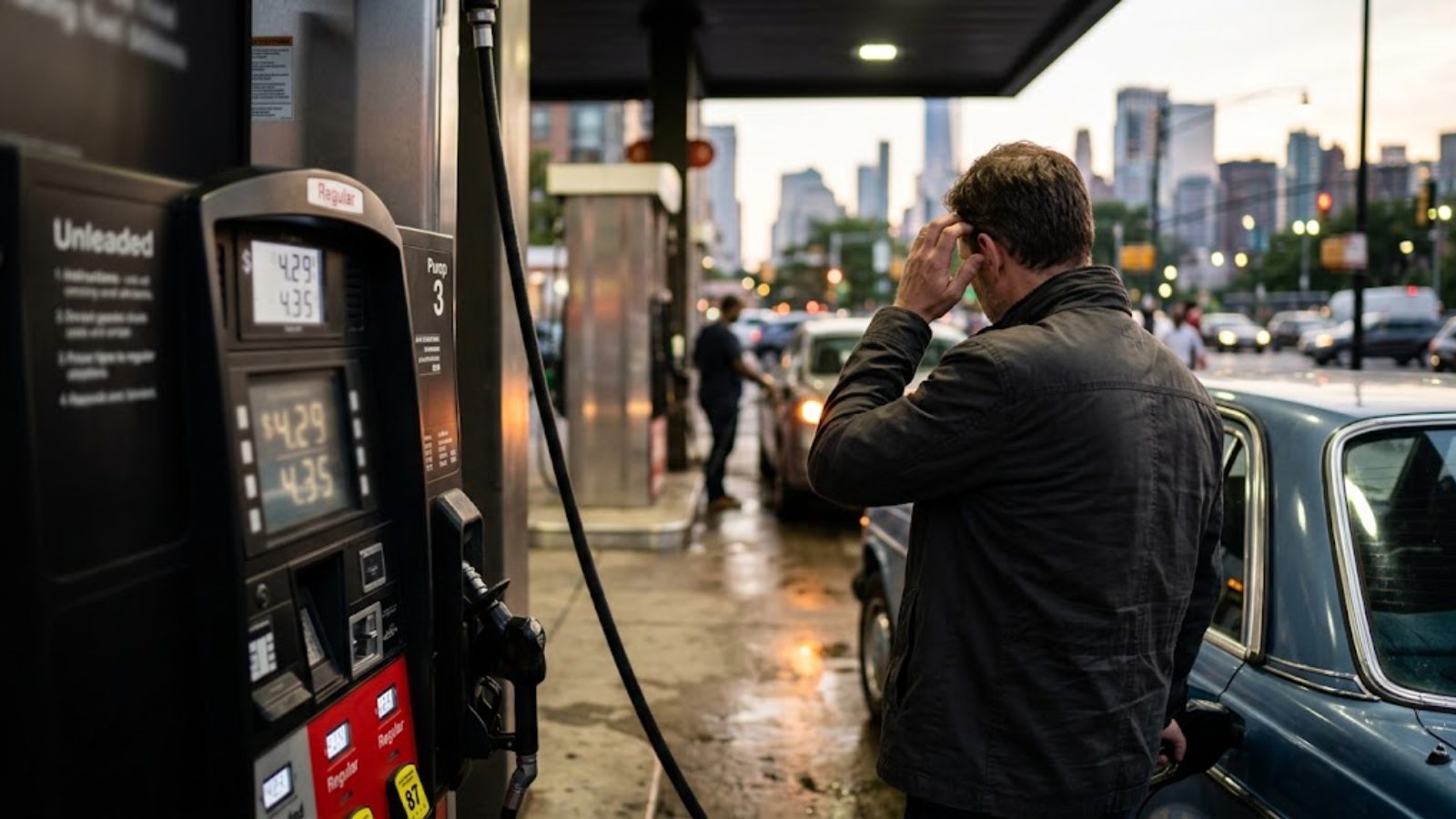
Here is the asterisk. Gas is already back above $4 a gallon in August, as Iranian oil comes off the world market. July’s hero is shaping up to be August’s problem. Tariffs — taxes on imported goods — keep nudging prices up too, quietly, line by line on the receipt.
Notice the split. The relief came from abroad: tankers, sanctions, a barrel price nobody in Washington controls. The pressure came from policy. One is weather. The other is a decision. Weather passes. Decisions stick around.
| July CPI, in one glance | Reading |
|---|---|
| Headline, month over month | +0.1% |
| Headline, year over year | 3.4% (from 3.5%) |
| Core, month / year | +0.2% / 2.5% |
| Gasoline in July | −2.9% (rebounding in August) |
| Odds the Fed holds in September | 58%, up from 54% |
| Polymarket odds of zero 2026 cuts | 86% |
A hike? Really?
The Federal Reserve meets September 15–16. The Fed sets the short-term interest rate that everything else — mortgages, car loans, savings yields — keys off. Markets now put the odds it holds rates steady at 58%, up from 54% before the report. Chair Kevin Warsh has offered no hints, which is his way of saying he will tell us when he tells us.
Now the part your neighbor has not heard. At the July meeting, three Fed officials voted against the majority — and they wanted a hike. Not a cut. A hike. While half the market debates when the cuts begin, part of the committee is debating whether rates are high enough.
Traders have noticed. On Polymarket, a betting site for exactly this kind of question, the odds of zero rate cuts in all of 2026 sit at 86%. Nowhere in that picture is the thing half the country is quietly hoping for — a cheaper mortgage by Christmas. September is shaping up to be a meeting where nothing happens, loudly.
One eye open
The professionals took the good news with a hand on the exit. At Northwestern Mutual, Stucky calls this an “Enter Sandman market” — sleep with one eye open. At Polen Capital, Cupps warns the real danger is not inflation at all but a “violent correction in the AI trade” — the handful of technology names carrying the whole index on their shoulders.
That warning matters for anyone drawing income from this market. The danger this year is probably not the cereal aisle. It is that a few AI stocks have a bad month, and your plain index fund turns out to have been an AI fund wearing a name tag.
So the scoreboard: inflation drifting the right way, and a Fed in no hurry, with a few members quietly arguing for higher rates. Gas prices are about to argue with the next report, and the stock market is sleeping in its cleats. One tenth of one percent bought us a quiet day. It did not buy a new plan.