 Capital Wealth Daily
The Machines Bought the Dow. Washington Bought the Yen.
Part I, the August 3–4 Wall Street Journal. A record Dow built on artificial intelligence. The first joint American-Japanese currency rescue in a generation. And an oil patch making so much money the President is complaining about it. Plus the pages your portfolio doesn’t know it needs: coffee yogurt, helicopter parents, and what quitting smoking really buys you.
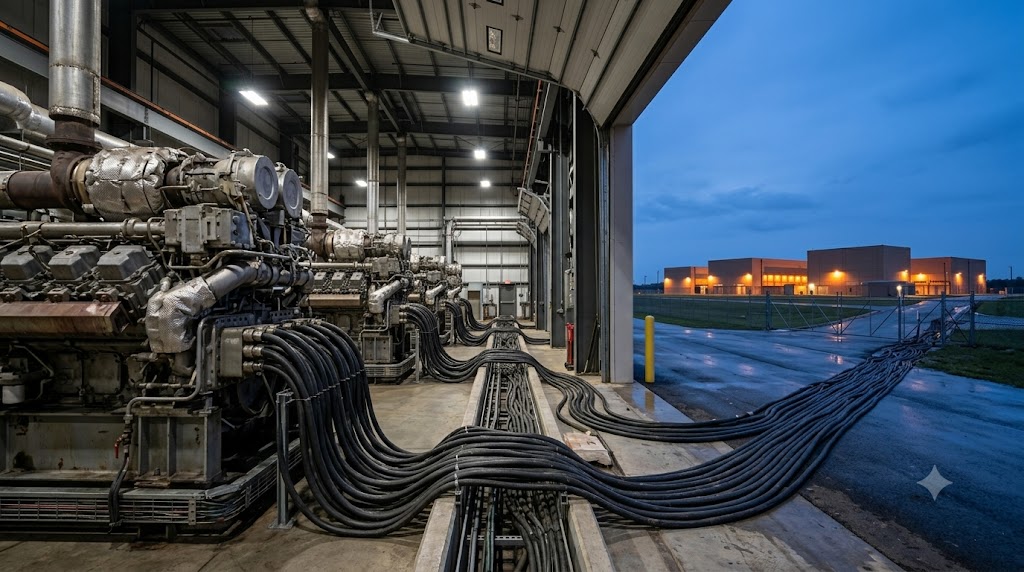
The Dow hit a record because the machines are spending like sailors.
The Dow closed at a record 53,178 Monday, and the Magnificent Seven added $800 billion in a day. Underneath the party is one number. Artificial intelligence now draws $1.5 trillion a year in private investment, nearly a quarter of America’s recent economic growth. Data-center construction rose $21.5 billion while every other kind of private construction fell $101.6 billion. That is not a boom with a side of AI. That is AI, with a side of everything else.
Our TakeWhen one engine pulls the whole train, you ride the engine and you check the couplings. Action: REINFORCE the AI toll booths the portfolio already owns (MSFT, the cloud), keep the bill ladder earning 4%-plus as the seatbelt, and don’t chase at records.
The Dow hit a record, and the buying came from the machines, not the crowd.
Microsoft had the best single day any company has ever had. Apple had its worst since the tariff panic.
America and Japan teamed up on a yen rescue, a currency deal with real portfolio consequences.
Big Oil is minting money even with oil down $4. The refiners collect either way.
The AI boom quietly repaired public pension funding. It’s the retirement story nobody noticed.
Markets · The Money File
5 stories · 3 pictured · 2 listed
America and Japan just did something they haven’t done in a generation.
A $1 trillion yen carry trade unwinding badly is how quiet weeks end. We don’t trade currencies. We hold less duration and more bills for weeks exactly like this.
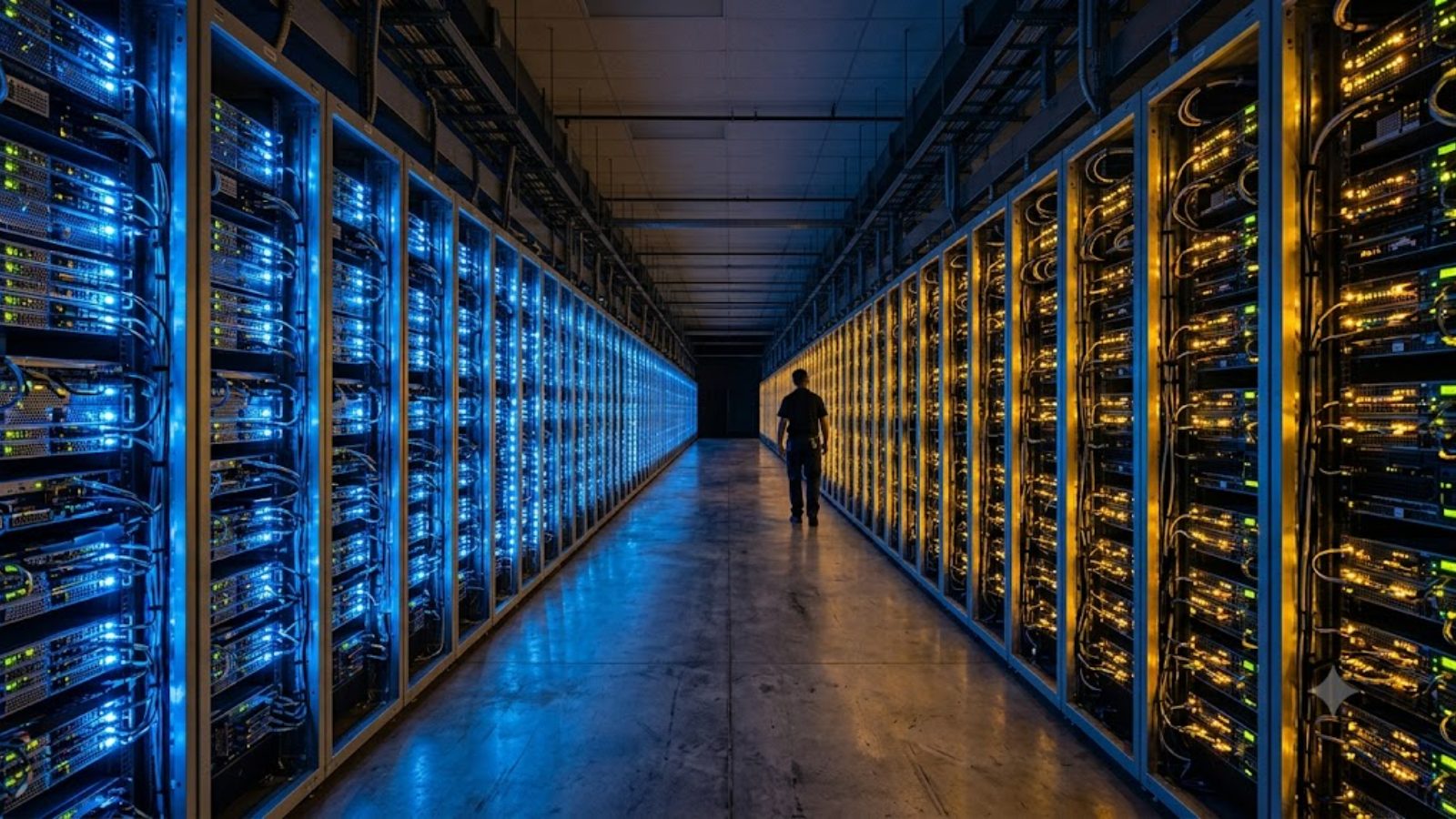
Microsoft had the best day any company has ever had. Apple had its worst since the tariffs.
The portfolio owns the toll booths, not the toll payers. MSFT stays a REINFORCE, because the cloud is where the AI money lands as profit, with 39% margins at AWS and 43% growth at Azure.
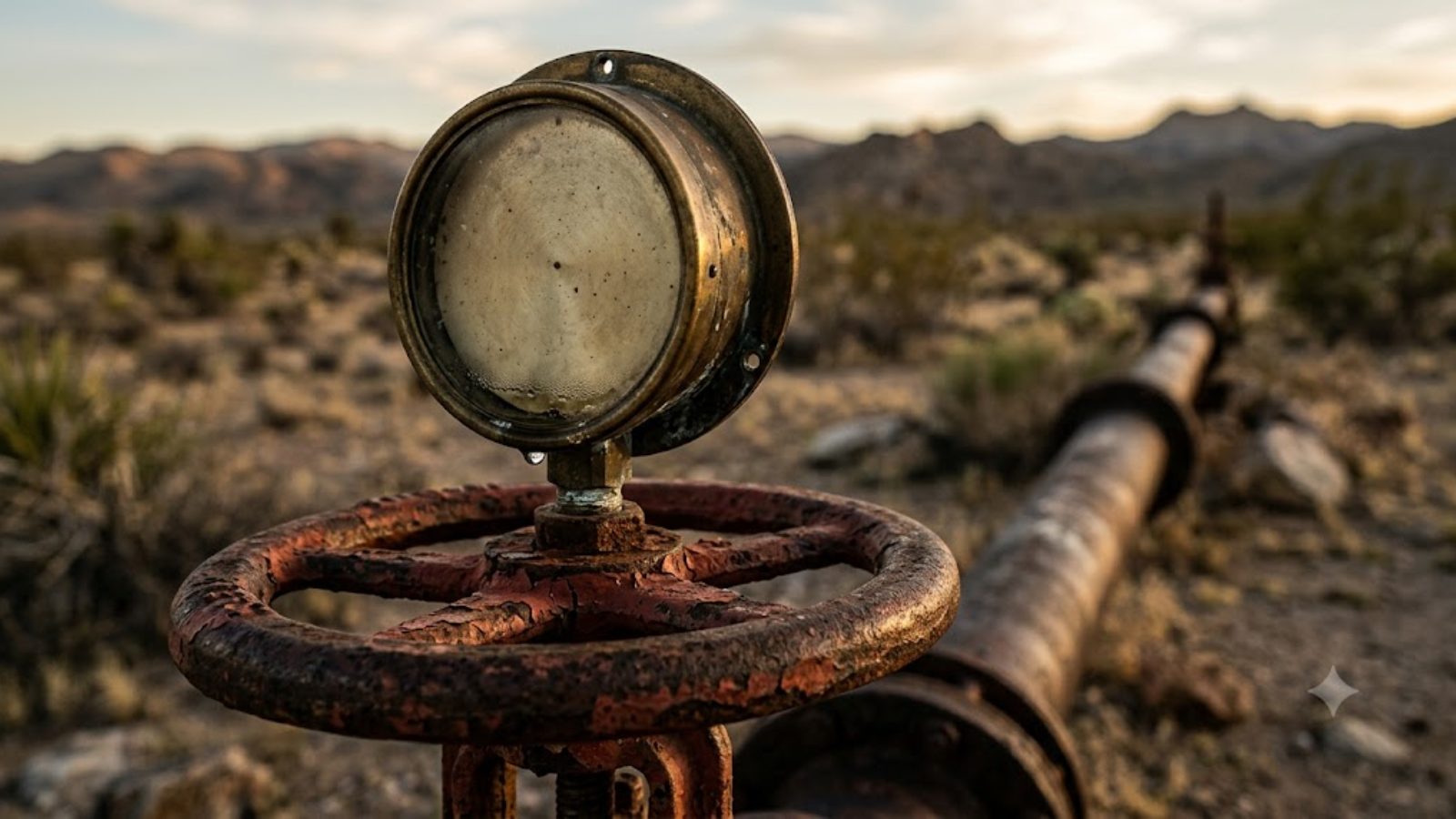
Big Oil is making so much money the President wants some of it back.
Record profits plus political pressure is what an under-owned sector at peak relevance looks like. The energy sleeve stays REINFORCED, and this week we are fixing the one book that somehow owns none of it. See the Portfolio Desk note below.
Off Duty · The Human File
6 stories · 3 pictured · 3 listed
Dannon killed its coffee yogurt, and America is not okay.
Products people grieve are products with pricing power. That is why the portfolio owns the brands people won’t quit. Loyalty you can taste is loyalty you can compound.
Mom and Dad are now attending the job interview.
The financial dependence runs both ways, and it shows up in retirement plans. If career help and housing help both flow down, the parents’ retirement math has to carry it. Plan for it on purpose.

The hottest thing in fashion is somebody else’s closet.
Resale makes the brands little profit, but it keeps the customer in the tent. It is loyalty-building dressed as a trend. Watch which brands turn browsers into buyers; those are the durable ones.
From the desk Bias, the book, what’s priced, the planopen
Two papers, one theme. The AI economy is no longer a sector. It is the market. A record Dow, $800 billion of Magnificent Seven market cap in a day, and a bond market being asked to finance the next $400 billion of data centers. Our posture doesn’t change at records; it gets checked at records. The toll booths stay reinforced, and the bill ladder stays at 4%-plus. The energy sleeve, the hedge that spent all summer earning record profits, finally gets promoted into the one book that lacked it, the Midterm Dividend series. The quiet pages did the most work this week. A pension system is at its healthiest since 2007, and any ex-smoker can claim a 27% mortality discount for free.
- DJIA53,178.41 +1.32% (+693.38)
- S&P7,600.50 +1.48%
- NASDAQ25,913.90 +2.13%
- 10Y4.684%
- OIL$80.34 −$4.33
- GOLD$4,033.70 −$15.40
- Math Ph.D.s land $1.5M quant packages (Jane Street’s $10.3B quarter)
- Spider-Man opens to $927M, second-biggest ever
- JPMorgan’s leaked $20B FIFA spinoff pitch dies
- Nippon Steel’s $11B pledge meets the USW’s new leader
- Testosterone screening: most healthy men can skip it (levels fall ~1%/yr)
- The one-income couple’s makeover: 25% after-tax savings, Roths first
- 200 private colleges are borrowing from their own endowments
- JPMorgan commits $750 billion to U.S. housing through 2035, including financing for a million affordable units
- Northrop signs $3B in interceptor frameworks
- Kimberly-Clark’s desert-plant paper moonshot
- ChatGPT vs. the $5,100 mechanic quote
- Whirlpool’s deepening slump
- Moderna’s norovirus miss.
Two planning triggers in this paper. First, ex-smoker lung-screening coverage (many plans include an annual scan). Second, the pension-funding rebound. If your CalSTRS/CalPERS statement looks healthier this year, that is the AI market, not a benefits change. Don’t double the same bet in your personal accounts.