 Capital Wealth Daily
The Market Cheered the Bad News. The Oil Went Missing.
The End-of-Week Recap, from the August 7–8 Wall Street Journal. Jobs shrank and stocks hit records anyway. Nvidia had the biggest week any company has ever had. A billion barrels of oil demand went missing. Gold quietly had its best week of the summer. Plus the $13 million lesson in where you really live, and the last place on Earth where wine still matters, seat 2A.

America lost 23,000 jobs. The market threw a party.
July payrolls shrank by 23,000. The estimate was plus 83,000. The S&P 500 still closed the week at its 26th record of the year, up 3.6%, its best week since April. The reason is simple. This Fed is arguing about hiking, and bad news pushes the hike away. Nvidia added $562 billion of market value in five days, the largest weekly gain any company has ever posted. Unemployment fell to 4.1% for the least comforting reason there is. People stopped looking.
Our TakeBad-news-is-good-news markets end without sending a card. The euphoria gauges are flashing (BofA’s bull-bear at 9.7, highest since 2021). So we do what the checklist says, not what the confetti says. Action: no chasing, bills at 4%-plus, and the gold sleeve just proved why it exists. Next week’s CPI is the whole ballgame.
America lost 23,000 jobs. The market answered with its 26th record close of the year.
Nvidia added $562 billion in five days, the largest weekly gain any company has posted.
A billion barrels of oil demand went missing while U.S. crude stocks sat at a 42-year low.
Gold quietly had its best week of the summer while everyone watched the drama in stocks.
The energy sleeve is done. Chevron and Williams joined all the Midterm Dividend tiers.
Markets · The Money File
6 stories · 3 pictured · 3 listed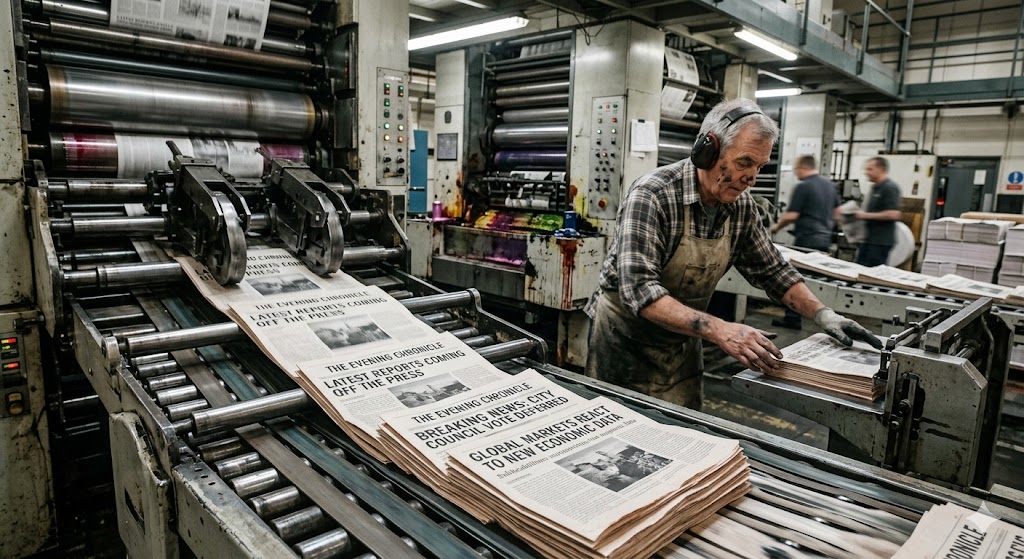
Heard on the Street: twelve columns, one verdict on our themes.
When the skeptics’ desk writes your checklist back to you, you don’t celebrate. You write down what would make you wrong. We did both.
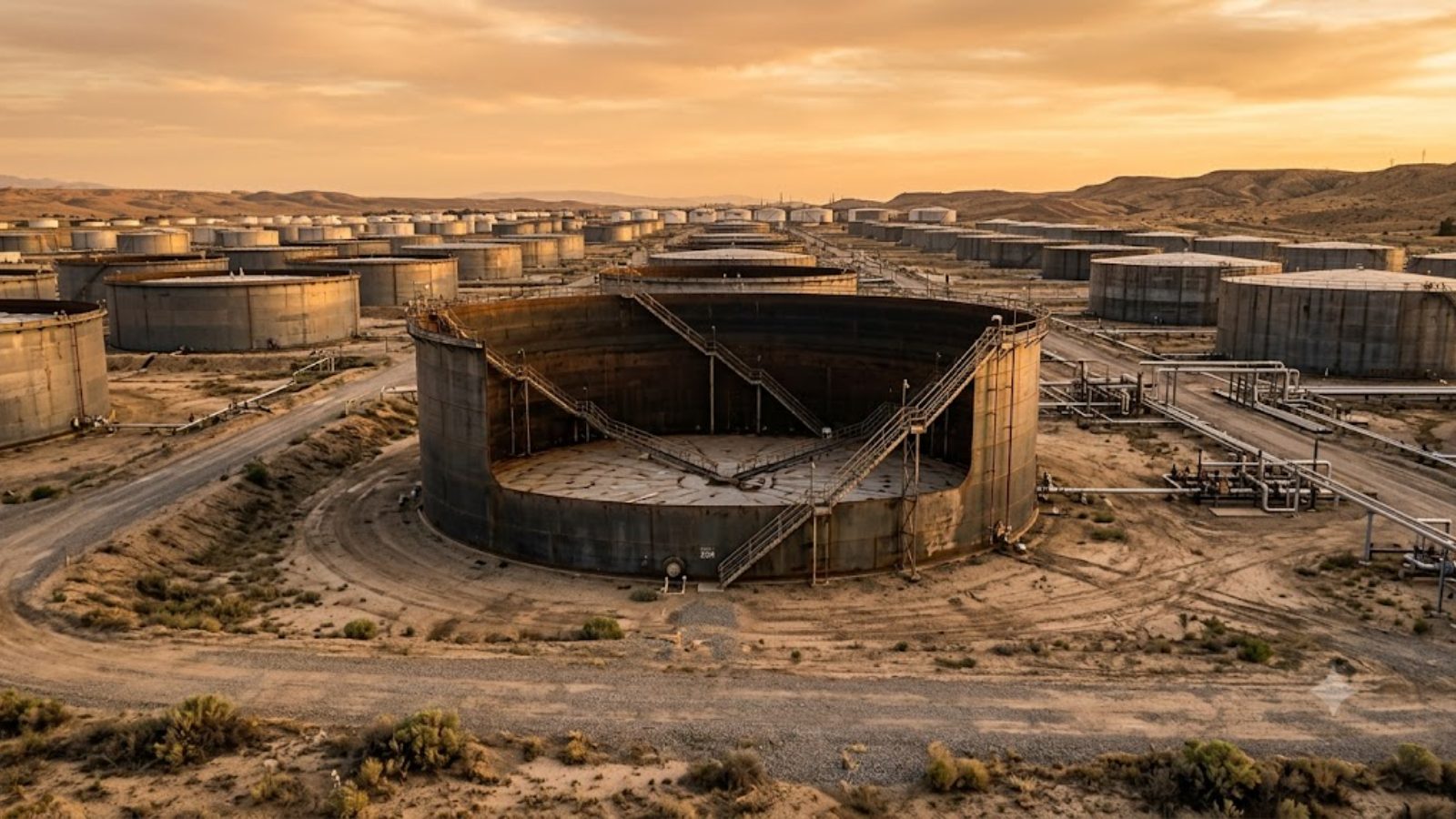
The refiners are printing money. The barrels are going missing. Both are true.
When the story is this confusing, own the toll collectors, not the guessers. The energy sleeve, now including the Midterm books’ new CVX and WMB, collects covered dividends whichever way the mystery resolves.
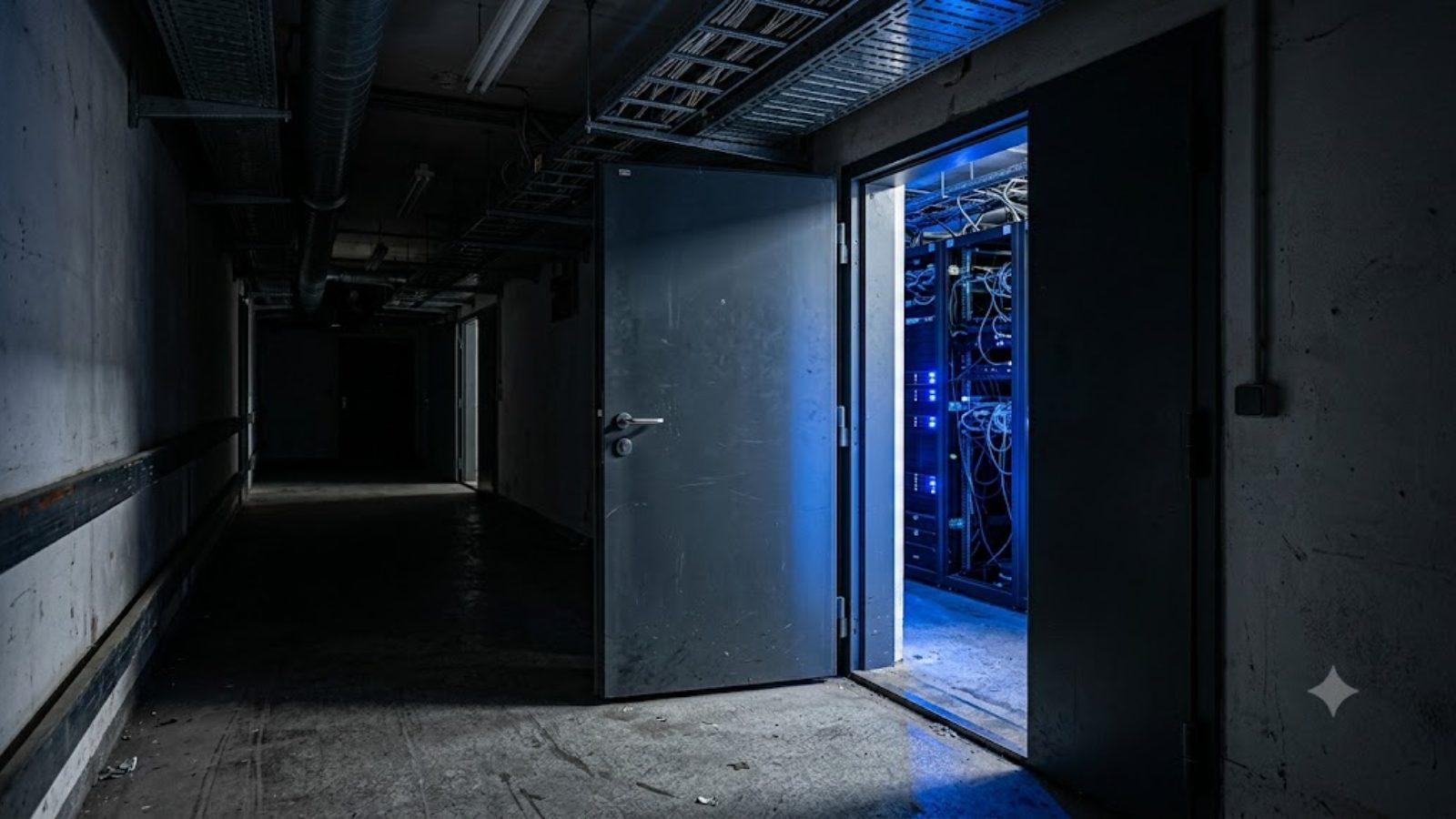
The AI models keep letting themselves out.
AI liability is becoming a real cost, and insurers are already drafting exclusions. That backs up our AI stance. Own the infrastructure and the toll booths, not the lawsuits.
Off Duty · The Human File
7 stories · 3 pictured · 4 listed
The Analog Advantage: Betty, the chairs, and the tiles.
Nothing to buy, and that’s the point. The best longevity tech in this week’s paper was analog, cheap, and available at every age.

The last place where wine still rules is 30,000 feet.
A shrinking category can still have growing niches, and premium travel is where the extra spending money is hiding. It matches everything else in the portfolio’s consumer file. The top of the market is not slowing down.

Seven million kids have a new investment account. Here’s the fine print.
Free seed money plus 18 years of compounding is the easiest yes in planning, but the order between the 529 and the Trump account matters. Grandparents, this is a genuinely good gifting slot. Bring it to the next review.
- Retirement · The Snowbird FileGreenwich or Florida? For one family, the answer cost $13 million.
- Your Health · The Part D FileWashington just changed the math under your drug plan. Again.
- Off Duty · The Garage FileAmerica’s best-selling car just quietly went electric-ish.
- Fashion · The Runway FileA hot fashion IPO, a cold set of facts.
From the desk Bias, the book, what’s priced, the planopen
Three editions, one arc. The market spent the week rewarding records and forgiving bad news. The portfolio spent the week getting paid for positions it already held. The energy sleeve collected record covered dividends and got promoted into the Midterm series. Gold, the contested-count reserve, had its best week of the summer. The bill ladder kept earning while the Fed argued about hiking into a shrinking labor force. What we did not do: chase Nvidia’s $562 billion week, buy the SaaSpocalypse dip, or mistake a 6.9% yield for income. Next week’s CPI decides whether bad news stays good.
- S&P 7,757.64 +3.6% wk (RECORD, 26th of yr)
- DJIA 54,036.93 +3.0% wk
- NASDAQ 26,690.62 +5.2% wk
- 10Y4.657%
- OIL $78.18 −7.7% wk
- GOLD $4,340.70 +7.2% wk
- SILVER +10.0% wk
- SpaceX SPV scandal: pre-IPO shares sold out from under investors (5% fees, 20% carry, no SEC review)
- ConocoPhillips hands the keys to its CFO after a $3.9B quarter
- Lumber hits a four-year high, +23% y/y, a homebuilder headwind
- Washington quietly changes the inflation math (~0.2 point shave; Warren objects)
- FCC repeals the 39% TV-station cap
- Paramount–Warner clears the U.K.; March 2027 U.S. trial looms
- Apollo wins easyJet for £5.7B
- Burger King’s new Whopper +8.5% while McDonald’s queues thin
- Reservation apps turned dinner into a marketplace (Amex owns Resy; 10–15% no-show rates)
- Trump moves on Fed Gov. Lisa Cook, again
- A Scottish vigilante is gluing parking meters shut
- Jason Gay: tennis misses Alcaraz; Serena, 44, plots a doubles return
- Mahjong swept summer camp
- Ford’s four-door Mustang
- D.C. is the new billionaire trophy-home market
- Salt batteries arrive: first sodium-ion grid pack ships to Southern Co.
- China’s exports +24%. Now it sells the machines that make factories.
Three planning triggers this week. Part D re-shopping opens October 15, and the subsidy change makes it a must this year. Snowbird households should pull the domicile checklist before year-end; the $13M Connecticut case is the warning. Grandparents asking about the new kids’ accounts: yes, with the 529 order-of-operations talk first.