 Capital Wealth Daily
Core Inflation Ran a Tenth Hot, the Ten-Year Reached for 5%, and Stocks Went Up Anyway.

The Ten-Year Reached for 5%, Inflation Came In Hot, and the Market Bought Stocks Anyway.
The paper went to press with the bond selloff at its highest level since 2023 and a Treasury buyback that couldn’t cap it. Friday’s report then came in a tenth hot on core inflation, and the 10-year pushed to 4.975%. The S&P 500 rose 0.86% anyway, because the annual core rate eased and oil fell back under $100.
Our TakeA calm stock market and a rising long yield can live together for a while. They price different things. Action: nothing new bought. The letter’s condition for adds wasn’t met, and the safe money stays short.
Core inflation came in at 0.3% for August, a tenth above forecast. Headline prices rose 0.4% on the month and 3.4% over the year. Gasoline rose 3.9% in August and 27.4% over 12 months. That was more than a third of the monthly increase.
The 10-year Treasury reached 4.975%, its highest since 2023. The 30-year sits at 5.35%. The paper went to press with the selloff already at a 2023 high. A $6 billion Treasury buyback couldn’t cap it.
Stocks rose anyway, with the S&P 500 up 0.86%, the Dow 0.98% and the Nasdaq 0.96%. Annual core inflation eased to 2.4% and oil fell back under $100 a barrel, which helped.
Prediction markets now put roughly 80% odds on a rate increase at the Sept. 15–16 meeting, up from about 60% before the report. They put 94% odds on no cuts at all this year.
Nothing new was bought. The published September letter said the tactical adds come back only on a cool core print, a Fed hold and vol-of-vol under 90. Core ran hot, and a hike is now the market’s base case. The condition wasn’t met.
Off Duty · The Human File
5 stories · 3 pictured · 2 listed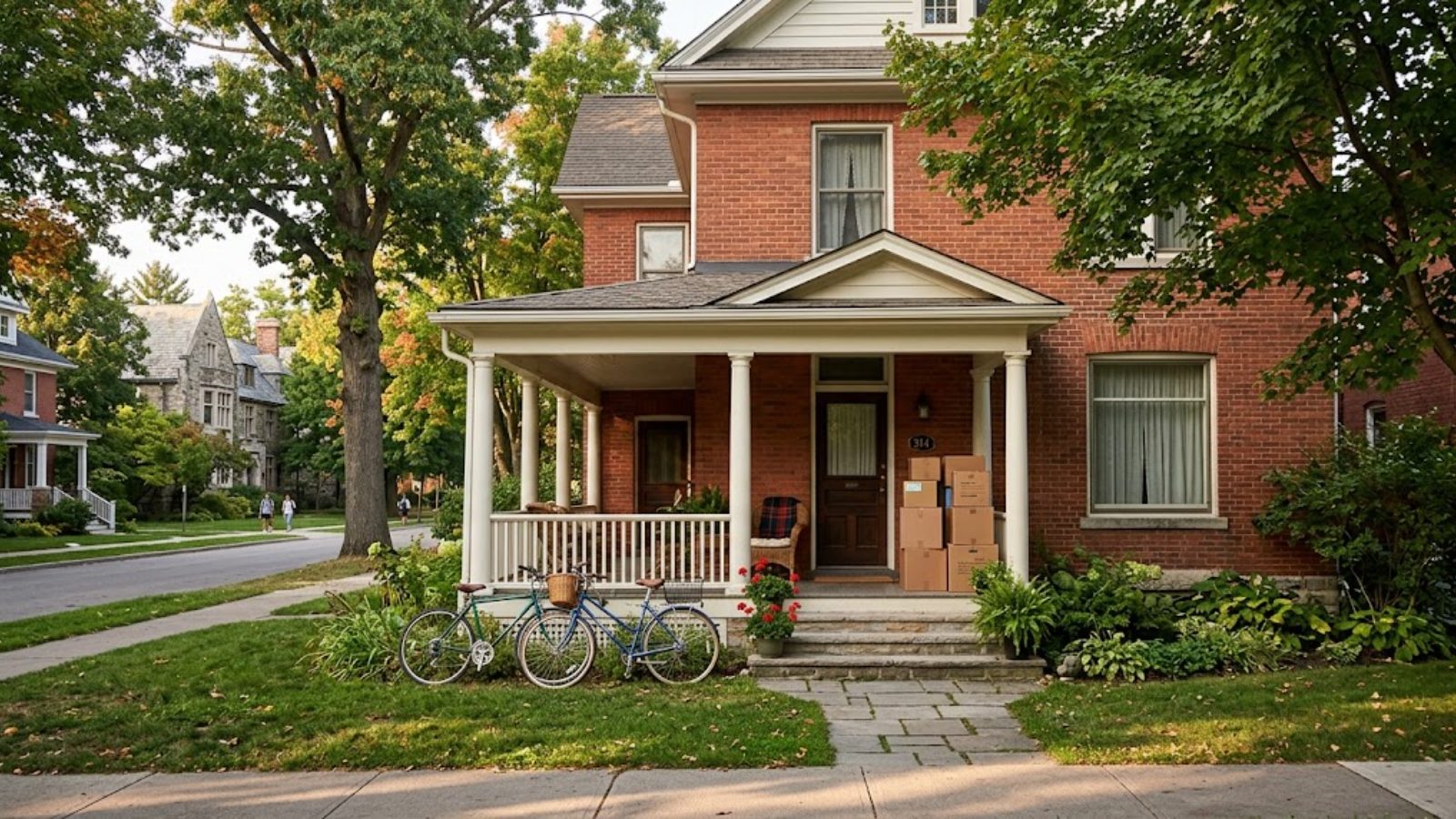
A 20-Year-Old Kicker With a Mortgage
A house is a lifetime bet made on one or two years of income. The reserve, the taxes and the upkeep decide whether it holds up.
Hold
A $5.35 Million Sale, and an Erosion Problem
Lake Erie storms can raise 20-foot waves. Erosion protection and shoreline insurance belong in the offer math, not the closing paperwork.
Watch
The Store Sells You the Salesperson
What a shopper buys at $148 is partly belonging. That's the spending category households almost never name or fund on purpose.
HoldYour Money & The Economy
7 stories · 3 pictured · 4 listed
0.44% Versus 3.80%, for Doing Nothing
On $50,000 of idle cash, that gap runs about $1,680 a year. It's one of the few fixes that adds income without adding real risk.
Reinforce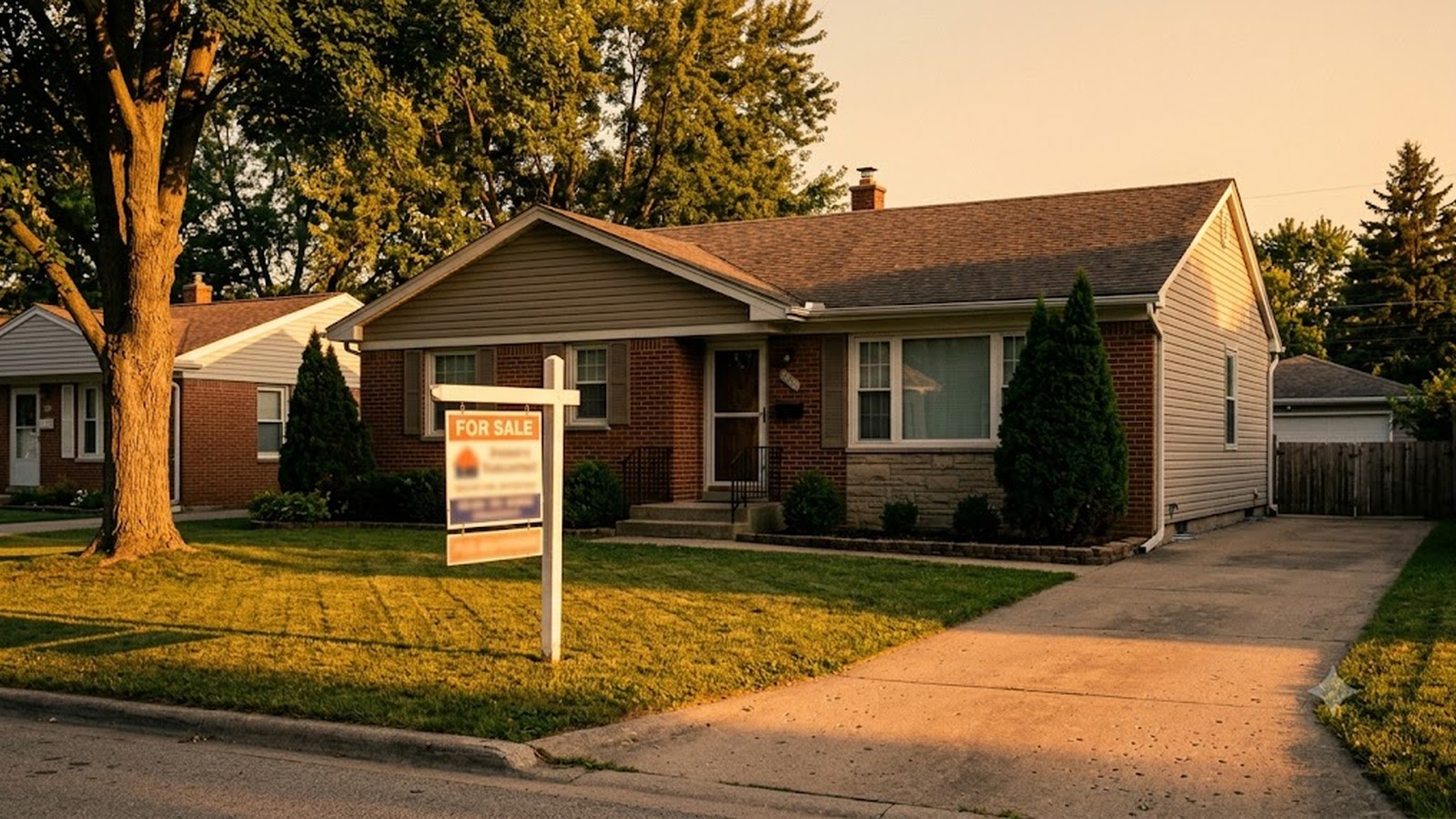
Four Years of Waiting Has Its Own Price
With the 30-year fixed at 6.76%, plan around the payment a household can carry today. A lower rate later is a refinance, not a plan.
Hold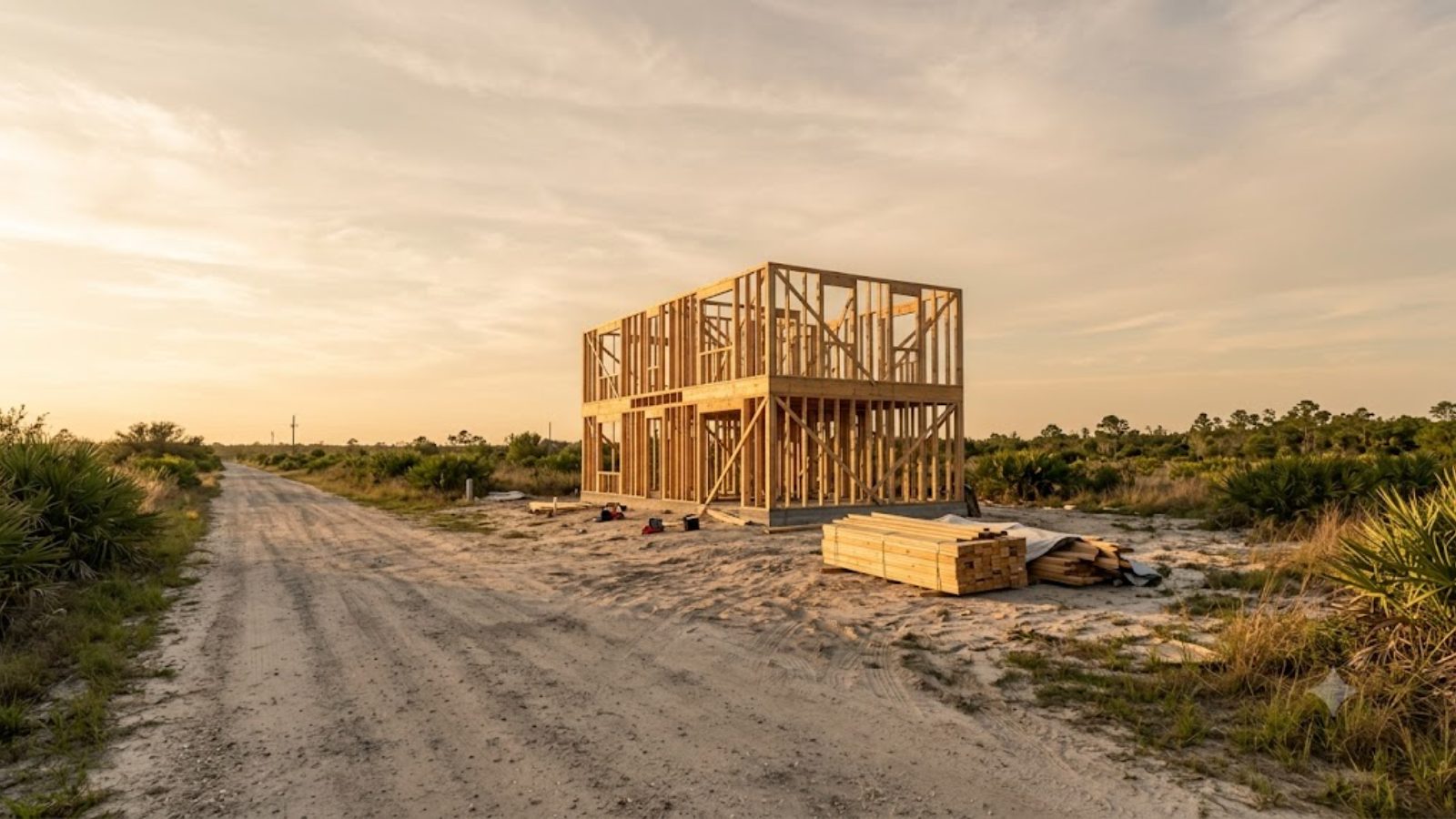
A $700,000 Custom Home, Built by Subtraction
Square footage and structure set a build's cost, so the savings live in the floor plan. The contract should be fixed-price, with a funded contingency.
HoldMarkets & The Fed
8 stories · 3 pictured · 5 listed
The Equity Premium Just Got Thin
It describes the price of the next decade's earnings, not a call on next month. Historical relationships are not forecasts.
Hold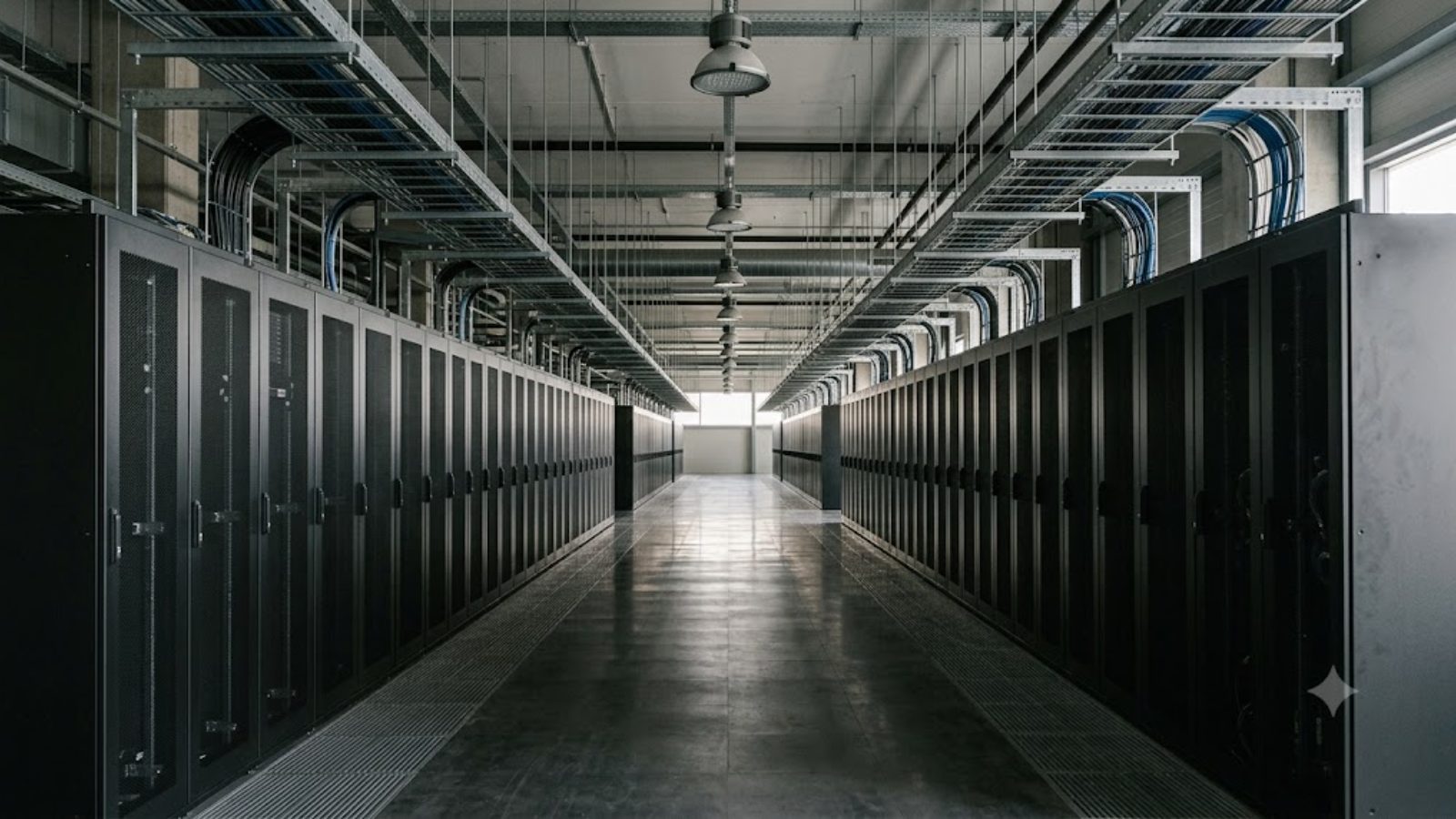
A $664 Billion Backlog, and the Bill
The backlog is real. So is the $90 billion to $95 billion of capital spending needed to serve it, on credit rated one notch above junk.
Watch
The Rate Squeeze Isn’t Only American
When yields climb on both sides of the Atlantic at once, the international slice stops spreading out the bond risk a household already owns.
HoldFrom the desk Bias, the book, what’s priced, the planopen
The Friday paper went to bed before the inflation report, so it reads like a set-up. The bond selloff sat at a 2023 high, oil spiked on a seized Red Sea port, and Europe’s central bank raised again. Then the report landed a tenth hot on core, and the market bought stocks anyway, because the annual core rate eased and crude slipped back under $100. Underneath that, uranium sits at 18-year contract highs because data centers need firm power. An AI data-center listing has a backlog that mostly starts years from now. And a bank account pays 0.44% while Treasury bills pay nearly 3.9%. From Mansion: NIL money buying houses for 22-year-olds, a custom home built for under $1 million, and a lakefront purchase where the insurance quote came before the closing.
The paper’s own figures are Thursday’s close, and Thursday was the selling day. The S&P 500 fell 0.58%, the 10-year hit 4.943%, and oil rose 6.7% to $102.48. On the New York Stock Exchange, 2,017 stocks fell and 751 rose. Friday undid most of the stock damage but not the rate story. The 10-year went higher still, to 4.975%, while the volatility index fell 11% to 15.84. That mix, calmer stocks and a firmer long yield, is the one worth watching into next week’s Federal Reserve meeting.
The signals show caution in long bonds, not in stocks. The volatility index fell 11% on Friday to 15.84. The skew measure, what traders pay for protection against a sudden drop, rose. That means the market is calm day to day and still paying up for a gap. The published September letter set three conditions for putting new money to work: a cool core inflation print, a Federal Reserve that holds, and vol-of-vol back under 90. Core came in hot, a hike is now the market’s base case, and vol-of-vol sits just above the line. So the answer for now is to wait. None of this is a forecast. It is how the desk is positioned while two events that can go either way, next week’s meeting and the quarterly options expiration after it, sit on the calendar.
Prediction markets moved hard on the inflation report. The odds of a rate increase at the Sept. 15–16 meeting went from roughly 60% before the release to about 80% after it. The market that asks whether there will be any rate cuts at all in 2026 sits at 94% for none.
The longer-dated contracts are calmer than the headlines. A recession by the end of 2026 is priced near 7%. The S&P 500 trading at $7,400 at some point before year-end is around 72%. On oil, the crowd puts roughly 34% odds on WTI touching $110 this month, after it slipped back under $100 on Friday. Strait of Hormuz traffic returning to normal by Dec. 31 is still only 20%.
Read these as the crowd’s current expectation and nothing more. They move during the day, and they have been wrong before. They are useful for one thing. They tell you what is already priced in before a headline arrives.
Crowd odds, not forecasts. Not investment advice.
Three things are worth fifteen minutes this weekend. First, where your idle cash actually sits. The gap between a bank money-market rate and a Treasury bill is the widest easy money in the paper. Second, whether the bond portion of your plan is long or short, because a 10-year near 5% treats those two very differently. Third, if a move or a refinance has been waiting on lower rates, whether the plan still works if rates simply stay here.
Bring the statement and we’ll go line by line: where the cash sits, how long the bonds are, and what next week’s meeting would actually change for you.
Book 15 minutes — phone or Zoom →Capital Wealth Daily · Vol. III · No. 168 · Friday, September 11, 2026. Reported from the September 11, 2026 edition of The Wall Street Journal, from the Bureau of Labor Statistics inflation report released Friday morning, and from the Capital Wealth Growth Portfolio review notes. The paper’s own figures are the Thursday, September 10 close; Friday’s closing levels and the inflation report came after the paper went to press. Prediction-market odds were pulled Friday afternoon, Pacific. Written and edited by the Capital Wealth LG research desk.