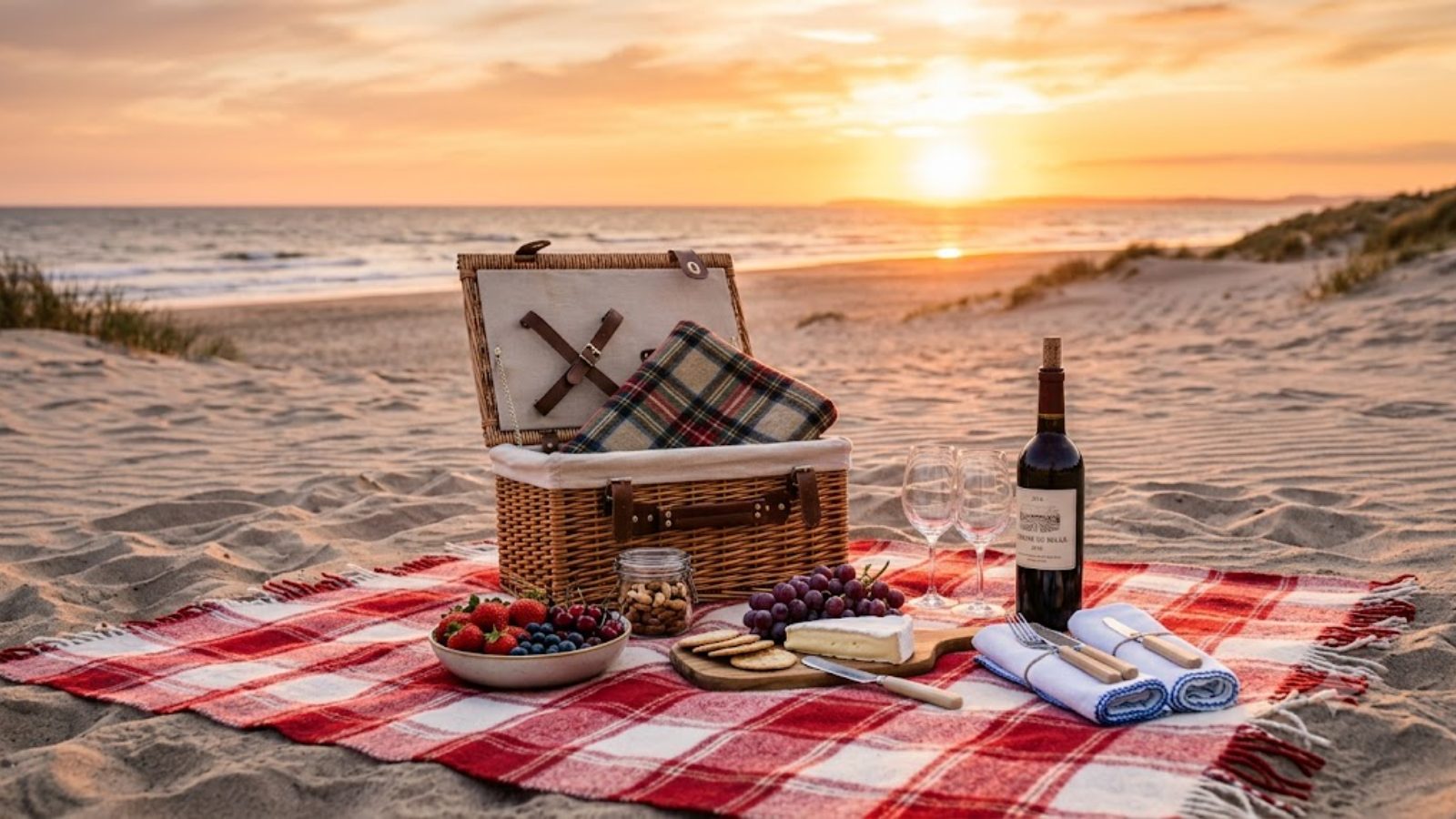
The Journal’s design desk has discovered the picnic, and the picnic is having a moment. Baskets, blankets, and a small industry of supplies now exist to make your patch of grass the talk of the park.
The timing is not random. Gas costs $3.85 a gallon. Consumer spending is growing at just 0.2%. The household budget has been in a staring contest with the household, and the household blinked first.
The picnic economy
Look at what a picnic actually is. Same evening. Same friends. Same gossip, arguably better lighting. About a tenth of the restaurant check.
That is what a dinner party looks like after the household has done the math. Nobody canceled the fun. They just moved it somewhere the bill could not follow.
You do not need much more than a blanket and good food. That is precisely the threat this trend poses to the full-service version of the evening.
The industry noticed, which is why the baskets got fancy. Commerce always finds the party.
None of this is sad, by the way. Ask anyone who has traded a stuffy dining room for a sunset and a blanket. The cheaper evening is often the better one, which is why the swap sticks.
Substitution is a superpower
Economists call this substitution — swapping a cheaper way to get the same satisfaction. It is the consumer’s quiet superpower, and it never announces itself in a press release.
The consumer is not broken. The consumer is doing math. Growth at 0.2% is slow, but a slow shopper is still shopping — just further down the price ladder, and closer to the park.
Here is why the order of events matters for investors. Substitution hits companies before it hits statistics. The casual-dining chain feels the empty Tuesday tables well before any headline retail number wobbles.
We like this kind of evidence because nobody is performing it. Survey answers are what people say. A park full of wicker baskets is what people do, and what people do is the better data.
Where it shows up
So which businesses sit on the wrong side of the blanket? Casual dining and mid-tier retail — the places selling a nicer version of something a household can now do itself for less.
And which sit on the right side? The staples and value stores selling the picnic itself. Dollar General is the kind of value name built for a shopper doing math.
The logic travels, too. The same math that trades the restaurant for the park trades the department store for the discount aisle, and the resort for the road trip. One blanket, many earnings calls.
This is a consumer-behavior tell, not a trade. One good picnic season proves nothing on its own. But it fits a pattern we already positioned for, and confirmation is worth noticing even when it arrives on a gingham blanket.
Our defensive holdings lean toward staples and value for exactly this shopper. The casual-discretionary names stay on the bench until the wallet reopens. When it does, the check sizes will say so before the press releases do.