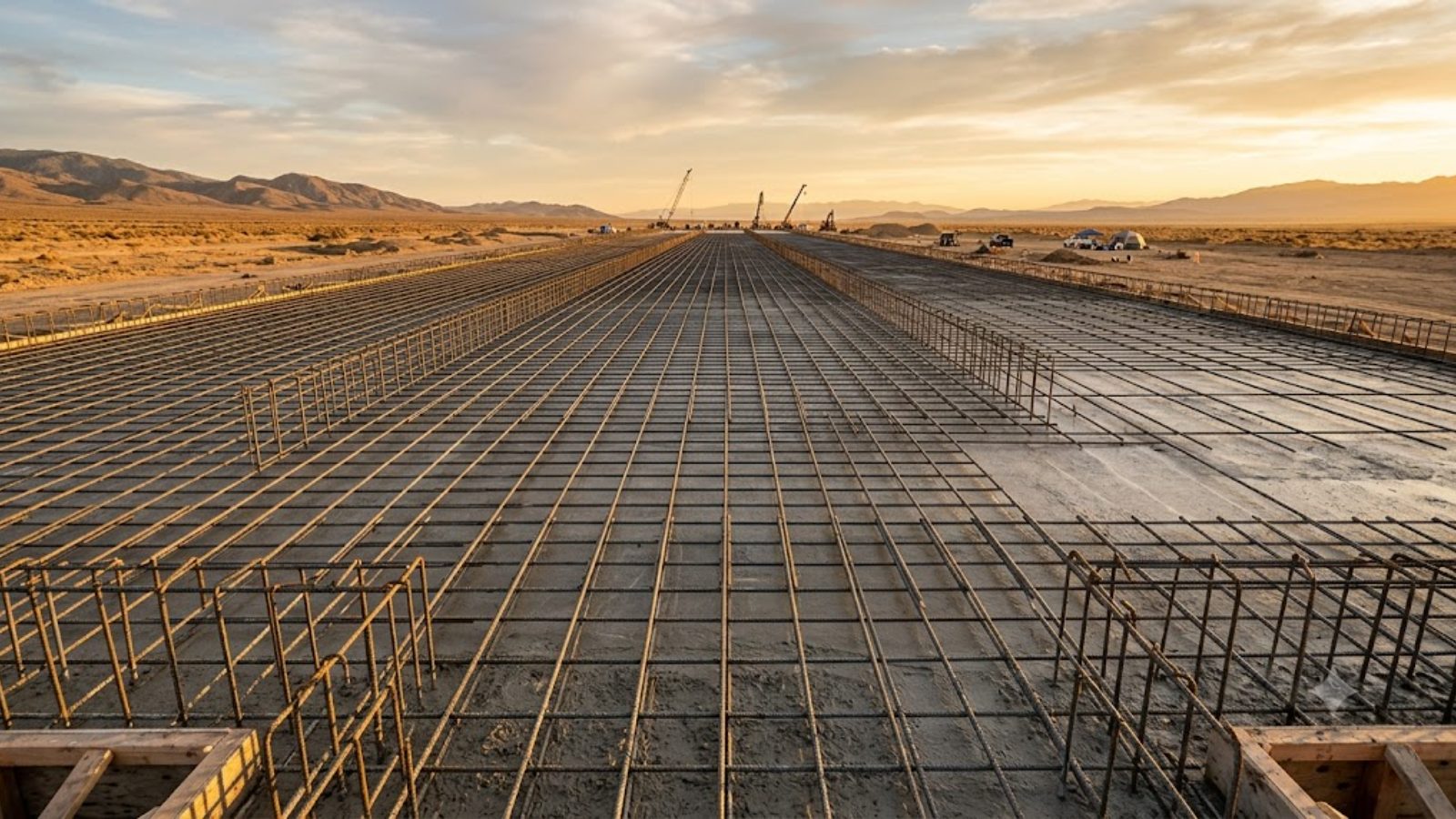
The AI build-out has been a story about chips and models. This week it became a story about debt — which is where these stories are ultimately settled. BlackRock is leading a raise of at least $12 billion against a single El Paso data center, backed by Meta.
Twelve billion dollars. One building. Hold that ratio in your head for a moment — a sum most companies never borrow in their lifetimes, attached to a single address in the desert.
When a theme becomes a mortgage
Here is what project debt actually changes. Before the loan, an exciting technology pays off whenever it pays off. After the loan, the returns have to arrive on a schedule a lender set — not one the technology sets.
That is the moment an exciting theme becomes a fixed obligation. The interest is due whether the models improve or not.
The borrower here is a special-purpose vehicle — a company created to hold one project and its debt. Its whole world is that building in the desert and the payment calendar attached to it.
Lenders do not accept vibes as collateral. They want interest, on dates, in dollars.
None of this means the project fails. It means the margin for error just got a maturity date. Every genuine build-out in history ended up funded with debt, and the debt is what eventually separated the winners from the participants.
The quieter, better detail
The same week brought a quieter story that we think matters more. Top utilities and data-center developers joined the administration’s ratepayer-protection pledge — committing to pay more for the electricity their data centers consume.
Read that again slowly. Developers are volunteering to overpay for power.
That is an admission that somebody was always going to pay up for electricity. The only question was who: the data centers, or the families on the same grid. The pledge answers it.
And the counterparty in that sentence is a regulated utility — a company allowed to earn a set return on its rate base, the asset value regulators let it profit from. When customers agree to pay more, that is the utility’s revenue line saying thank you.
Own the meter, not the mortgage
The AI trade has three floors: the chips, the models, and the power. The credit market just knocked on the third one.
We would rather own the utility that sells the electricity than the vehicle that borrowed twelve billion dollars against a single roof. One gets paid on a rate base. The other gets paid on a schedule the technology has to hit.
Income investors should notice which side of the deal each business sits on. The utility collects either way. The borrower collects only if the schedule holds.
The Capital Wealth Growth Portfolio has owned the electricity side of this build-out since the theme was first written. This week did not create that position. It confirmed it.
No add is needed. When the most sophisticated builders in the world volunteer to pay more for power, the meter has already won the argument. We just keep holding the meter.