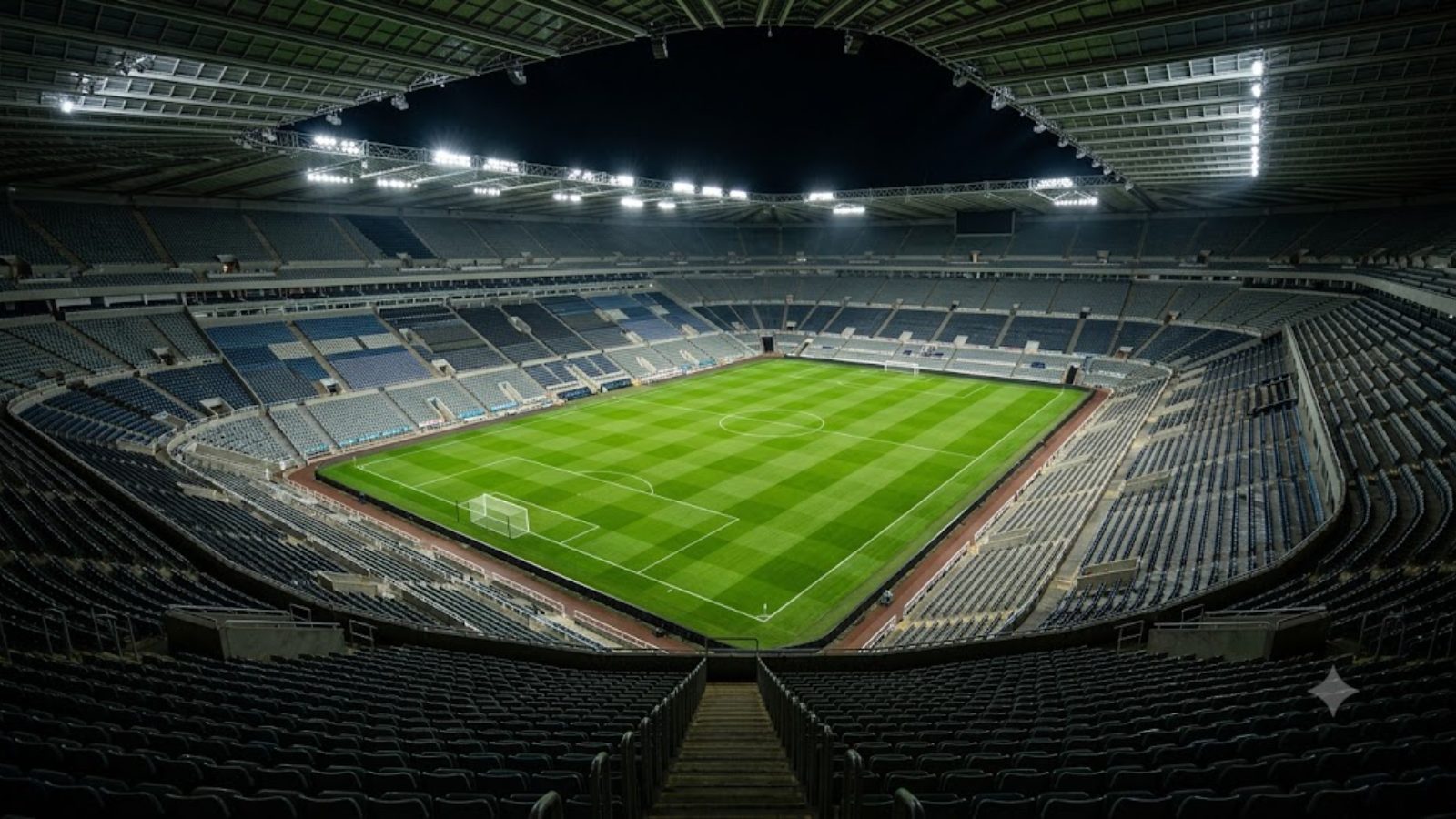
The most-watched tournament ever ended in extra time, and the moment the whistle blew it turned into an asset for sale. Spain beat Argentina 1-0. FIFA promptly began preparing to auction media rights for 2030 and 2034.
The One Thing Streaming Could Not Break
Live sport is the last genuinely appointment-driven inventory in media.
Appointment-driven means you have to watch it when it happens. A final you already know the score of is worth a fraction of a final you do not.
Everything else in entertainment got unbundled and time-shifted. Sport did not, because the suspense expires the moment somebody tells you.
A drama can wait for you all year and lose nothing. A penalty shootout cannot survive a single text message.
That gives the rights a strange kind of durability. It is the one product a streaming service cannot let you save for later without destroying its value.
The Paramount–Warner mess is the reminder of what that is worth. Media companies can own enormous libraries and still struggle without the thing everyone has to watch live.
Scarcity is the engine underneath all of it. There is exactly one final, it happens once, and nobody can manufacture a second one.
Now Look At Who Holds The Gavel
All of that is a genuine structural advantage. Here is the catch.
Auctions transfer value to the seller. That is what they are engineered to do.
FIFA is the seller. That is usually the wrong side of the table to be buying into.
A scarce asset nobody has managed to copy, sold in a format designed to extract every dollar of that scarcity, is not a bargain. It is a very well-run cash register.
Think about what the winning bidder actually buys. Not a business, exactly, but the right to pay for attention that shows up on a schedule.
And that right expires. When the cycle ends the auction starts again, and by then the seller has learned exactly what you were willing to pay.
So the position is easy to state. Admire the asset. Decline the auction.
What That Means Here
Here is the plain version. Live sport is the one media asset the streaming era could not defang.
That scarcity is exactly why it gets sold through a process built to capture all of it.
A rights holder who wins at the top of a bidding war ends up owning a great business at a price that already spent the advantage.
None of this says the tournament was anything less than wonderful. It says the wonderful part is the thing being sold.
Great asset and great investment are two different sentences. The gap between them is called the price.
We do not own a pure-play rights holder, and we would not chase one into a bidding war. The Capital Wealth Growth Portfolio would rather own the pipes that carry the signal than the trophy everyone is fighting over.
For clients who followed the World Cup coverage all month, the read is this. The tournament is finished, and the asset it created is only now being priced.
It is being priced by the one party guaranteed to win the sale.