This story is in the edition because it behaves exactly like the financial risks we spend our days on. Everybody carries some. Nobody knows their own number. The instinct is to avoid finding out.
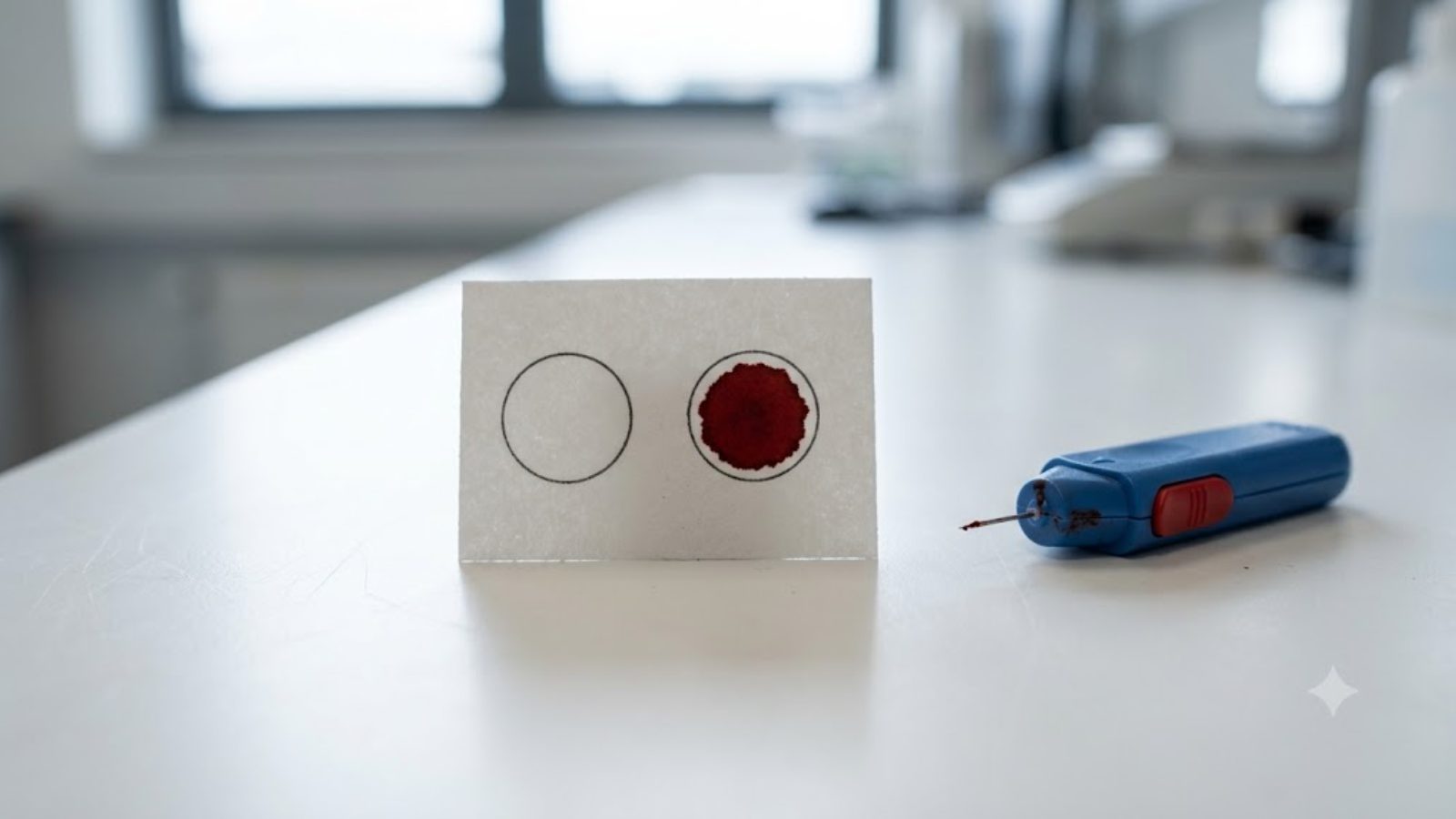
This week the number got measurable. You can now test your own blood for plastic.
What The Test Actually Does
Scientists are only starting to measure microplastics in the human body. Those are tiny plastic particles, small enough to ride along in air, food and water.
We inhale and ingest them from nearly everything we touch, breathe, eat and drink. Some of it passes straight through. Some of it accumulates.
Plastic is in packaging, clothing, carpet, paint and road dust. It breaks down into smaller pieces without ever really going away.
That is why the exposure is universal rather than unlucky. Nobody opted in.
Growing evidence suggests that buildup may negatively affect health. The research is early, and the honest scientists say so out loud.
What changed this week is not the science. It is the access. At least one consumer test will now read microplastics in your blood and saliva.
So the number exists now. Whether you look at it is a separate decision, and that decision is the interesting part.
A result is not a diagnosis, and it is not a reason to panic. It is a baseline.
Baselines are useful precisely because they are boring. You compare against them later, when a change would otherwise be invisible.
Why This Is A Money Story
Because the hard part was never the lab work. The hard part is agreeing to look.
The behavior that makes someone skip a blood test is the same behavior that makes them skip opening a statement in a bad quarter.
The number you refuse to look at is the one that compounds without supervision. That is true of plastic. It is also true of fee drag.
Fee drag is the slow bite that costs and expenses take out of a portfolio every single year. It never sends a notification.
Neither does concentration — what happens when one winning position quietly grows into half of your money.
Neither does a cash cushion that has been thinning for three years while nobody bothered to count it.
All three behave like the particles. They accumulate quietly. They are cheap to measure and expensive to discover late.
Look First, Decide Second
This is Risk 08 on our own risk map, wearing a lab coat.
A portfolio review is the financial version of the blood panel. You measure the uncomfortable things on purpose, while they are still small.
The cost of measuring something unpleasant is almost always lower than the cost of assuming it away.
Nothing gets bought or sold in the Capital Wealth Growth Portfolio because of a plastics headline. We are not pretending otherwise.
This is a discipline dressed up as a health story, and the discipline travels well. Look first. Decide second.
The clients who let us measure early are the ones who never get surprised by what was accumulating quietly the whole time.