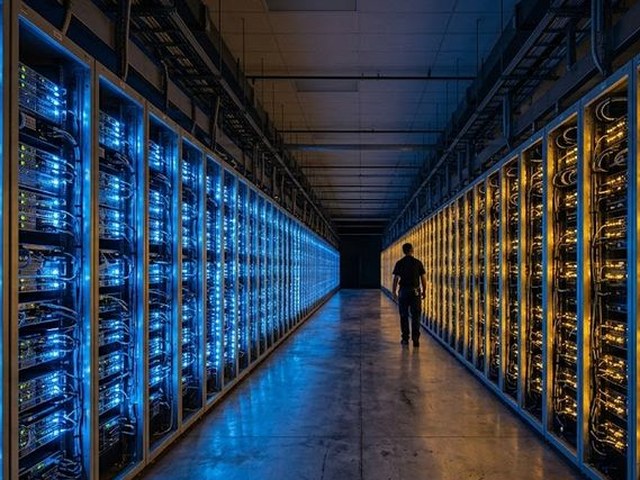
It was early Monday when the freezers started to go haywire. A store in Germany found the temperature in its fridges above 120 degrees. Out went a Dumpster's worth of yogurt and mozzarella. In Sweden a store owner wheeled out carts of ruined frozen seafood and called it terrorism on TV. A furniture chain's food market in Belgium went dark too.
The wave of attacks hit at least a half-dozen more European countries, from Portugal to Estonia. It followed a mid-October hack that disrupted refrigeration at some 700 French supermarkets. The hackers, whose identities and motives remain unknown, found a way into the internet-connected computers that supermarket chains and refrigeration firms use to run the systems. In some cases they went after systems running outdated software. The European Union's agriculture commissioner called it a deliberate attempt to disrupt the food supply chain.
The password was 12345
France's cyber agency issued an alert about controllers made by Danfoss, a Danish refrigeration-equipment maker, and by U.S.-based Copeland. It urged users to lock them down or take them off the internet. The warnings weren't new. A security firm had published a detailed report on bugs in one Danfoss controller in August, and Danfoss released a fix. Many people never installed it. As of Monday, a researcher at Censys counted over 800 vulnerable Danfoss systems online. 41 were in the U.S. Worse, the default administrator password on the controller is 12345, according to the manufacturer's own documentation. A threat-intelligence firm set up a decoy controller and watched hackers try that password. Its founder called it shocking that firms still sell software this insecure in 2026.
The story is a reminder of how fast these attacks are getting cheaper. A researcher at the firm Claroty used an AI coding tool to build a test program to attack refrigeration systems in about 30 minutes, for about $6. From smart TVs to robot lawn mowers, everything plugged into the internet is now a target.
Our read
This is a Consumer Protection story, module M11, and the grocery part is the least of it. The lesson is that the people who ran those freezers never changed a password that shipped as 12345. Your money has the same weak link. The router in your closet, the thermostat, the baby monitor and, most of all, the email account that resets every other password you own.
Here's the check this week, and it takes fifteen minutes. First, your email. Turn on two-step verification if it isn't on, because whoever controls your email can reset your bank login. Second, your brokerage and 401(k) logins. Make sure they don't share a password with anything else, and turn on text or app alerts for any withdrawal or address change. Third, the router. Log in once and change the password it came with. If you run a small business, add one more. Ask whoever installed your card readers, cameras or climate controls whether the default passwords were ever changed. The Europeans found out the answer with a Dumpster of yogurt. You can find out with a phone call.