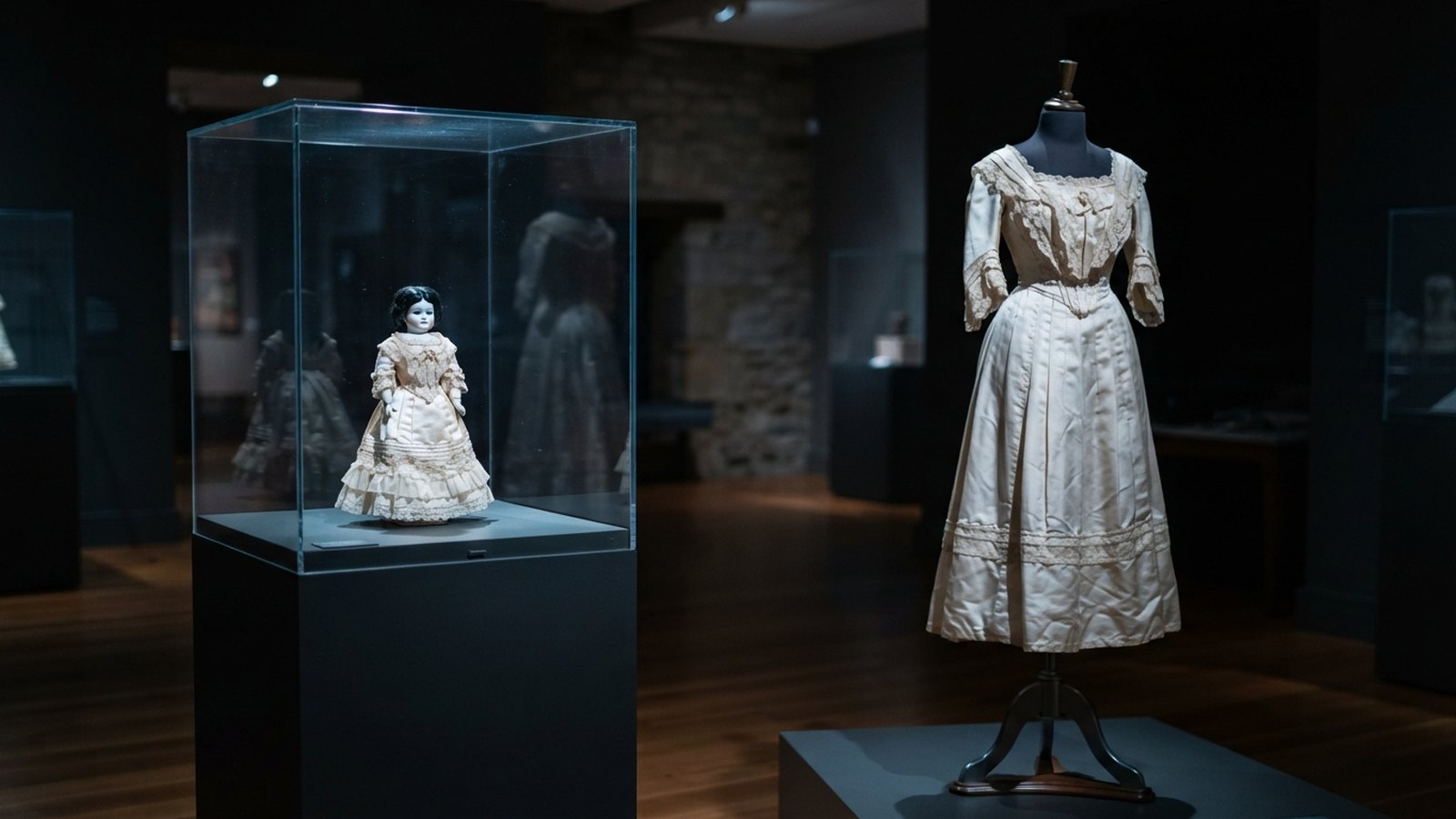
In 1867, a young French sculptor named Frédéric Auguste Bartholdi learned about the Suez Canal, then under construction. He imagined a colossal lighthouse at its entrance. It would be an Egyptian peasant woman holding a torch. In 1869 he took his sketches to the Khedive of Egypt. The Khedive wasn't impressed. Bartholdi went back to the drawing board.
A few decades later, that peasant woman had become Liberty. She crossed the Atlantic as some 350 copper pieces forged in a Paris workshop. They were reassembled on a small, underused island at the entrance to New York Harbor. On Oct. 28, 1886, President Grover Cleveland presided over the dedication. The statue rose 305 feet on its pedestal, with an internal frame designed by Gustave Eiffel. A new exhibition at Paris's Musée d'Orsay tells that long story, and it's open through Jan. 31, 2027.
Ten years of fundraising
The money is the part most people skip. Bartholdi and the French jurist Édouard Laboulaye, who first thought of a liberty-themed gift to the U.S. after the Civil War, spent about 10 years drumming up funding. The show gathers the magazine pages, posters and ads they used to publicize a statue that didn't exist yet. The torch-bearing arm was finished first. They shipped it to the 1876 Centennial Exposition in Philadelphia to build buzz. The head made a cameo at the 1878 Paris fair. By 1884 the whole statue stood in Paris, a temporary landmark, before it was taken apart for the voyage.
Bartholdi, who went by Auguste, slipped into relative obscurity despite designing one of the world's most recognizable monuments. He also made the 36-foot red-sandstone Lion of Belfort and a 30-foot monument to balloonists in Paris, later melted down for its copper. He dropped Liberty's revolutionary cap for a seven-pointed crown and swapped the musket for a tablet. The Orsay's own 9-foot bronze of the final statue, from 1889, sits by the entrance. The reviewer finds it prosaic next to the sketches of a dream not yet real.
Our read
This is a Time Value of Money story, module M3, told in copper. The statue took about 20 years from first sketch to dedication. The first idea was rejected. The money took a decade and a traveling arm. Nothing about that is unusual for a big project. It's just that we only see the finished thing on the harbor.
Your retirement is the same build. The first plan gets revised. The funding is slow and unglamorous. And the part nobody sees is the years in the middle when the arm is in Philadelphia and the rest is a drawing. Here's the check this week. Look up your Social Security statement at ssa.gov and read your estimated benefit at 62, 67 and 70. Those three numbers are the pedestal. Everything you save sits on top of them. If the full-retirement-age number surprises you, in either direction, that's the conversation to have before you decide when to stop working. The statue wasn't a monument until the last piece went on. Your plan isn't either. Fifteen minutes with that statement is a fine way to start.