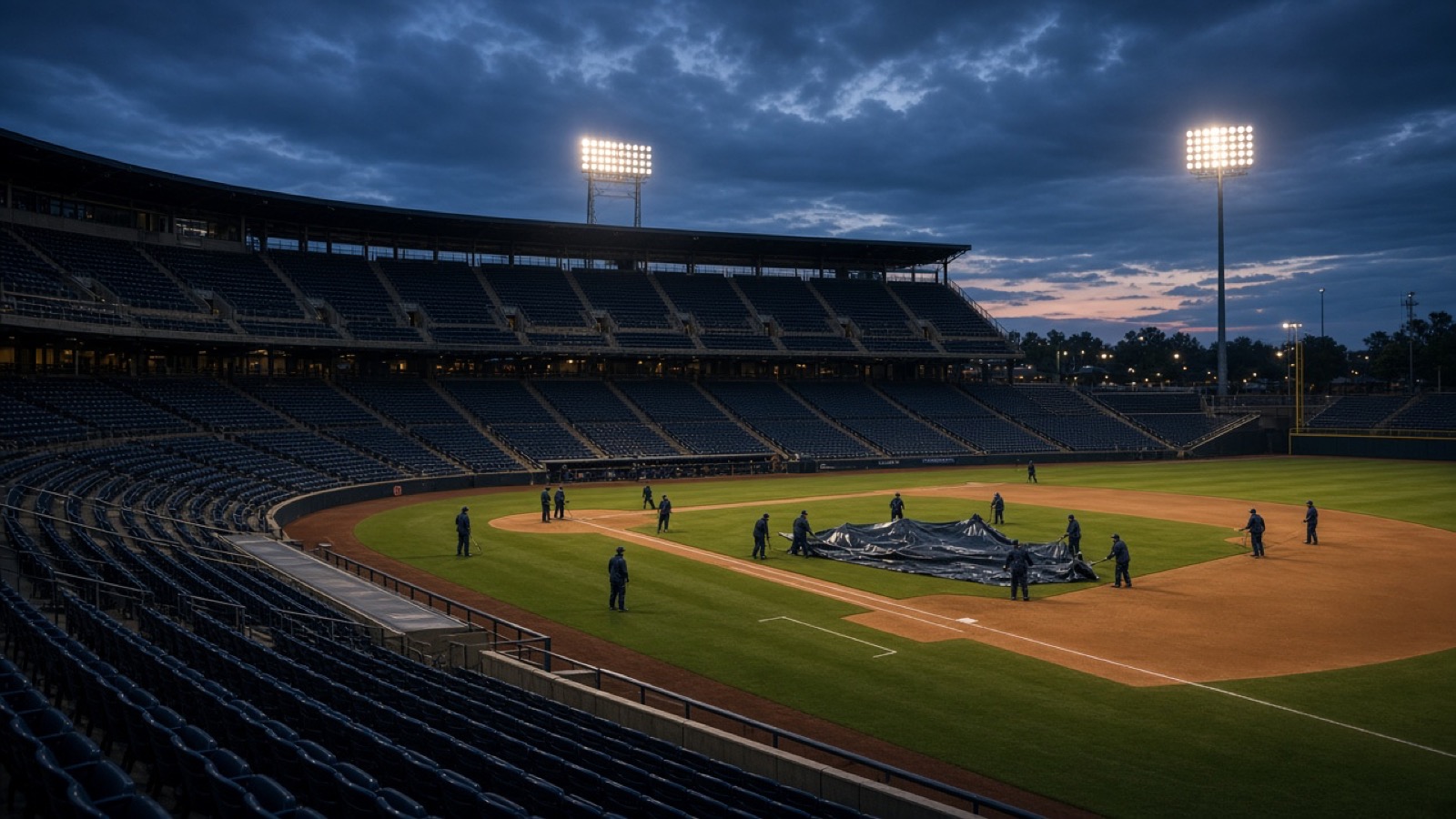
Baseball’s smallest media market has the best record in the game for the second year running, and the owners’ case is that fans outside the biggest cities have no hope. Welcome to the strangest October in a generation. The Milwaukee Brewers, 19th in payroll, and the Tampa Bay Rays, 27th, opened their division series with home-field advantage — the Rays having outplayed the New York Yankees on a third of the budget — while the 30 owners of Major League Baseball insist their $12 billion business is economically broken. Jared Diamond’s report in Monday’s Journal frames it plainly: this postseason is the last argument before a lockout that threatens the 2027 season.
Each side has a chart. The owners’ is the long run: going back to 1998, a top-five payroll has been worth 89 wins a season on average, a 13-win edge over the bottom 10. No club from the bottom half of the media markets has won the World Series since the 2015 Kansas City Royals, and no bottom-10 payroll has done it since the 2003 Florida Marlins. Fans side with them — 79% of avid fans and 69% of casual ones backed a cap in a Morning Consult survey last November — and the other three major American leagues already have one.
The players’ chart is this bracket. Milwaukee has made the playoffs eight times in nine years; since 2008, only the Dodgers and Yankees have won more regular-season games than Tampa Bay. Union head Bruce Meyer’s point is that the top seeds got there “despite MLB claiming they need a salary cap.” The Journal’s word for the two clubs is the consistent outliers — which is the owners’ whole case in a phrase. Brewers general manager Matt Arnold, who’d know, says it’s “really, really, really hard” from his seat — and that his club “caught the Dodgers at the wrong time” last fall.
Same data, opposite conclusions
Here’s what should bother you as an investor rather than a fan: both sides are right about their own chart. Money buys wins on average — 13 a year is a real edge — and the Rays haven’t converted two World Series trips into a title. But averages don’t play the games; process does, and the two best records in baseball were built by front offices that treat payroll as capital to be allocated, not spent. Diamond’s forecast is that no result in October will move either side an inch. That’s the tell. When no new evidence can change anyone’s mind, you’re watching conviction, not analysis.
Our read
This is a Behavioral piece with an Investments (IN04) edge. The owners’ argument is the index investor’s: over long stretches, the bigger budget wins. The union’s is the stock picker’s: a disciplined process can beat the budget. The honest answer is both, and the error is to watch one October — or one quarter — and declare the question settled. If a two-time defending champion with limitless resources loses to a club spending a third of what the Yankees do, that’s a data point, not a doctrine. Hold your views the way the Brewers hold their payroll: with a budget, and a process for changing your mind.
The practical risk is the lockout itself. A 2027 without baseball is a known unknown for anyone whose income rides on the game — stadium-district businesses, seasonal workers, broadcast and ticketing staff. If that’s you, a cash reserve sized for a lost season is the planning move, and the time to build it is during a pennant race, not after the padlock goes on. No tickers here; nothing in the house books depends on a first pitch. It’s just a reminder that you don’t check the roof the day the rain starts.