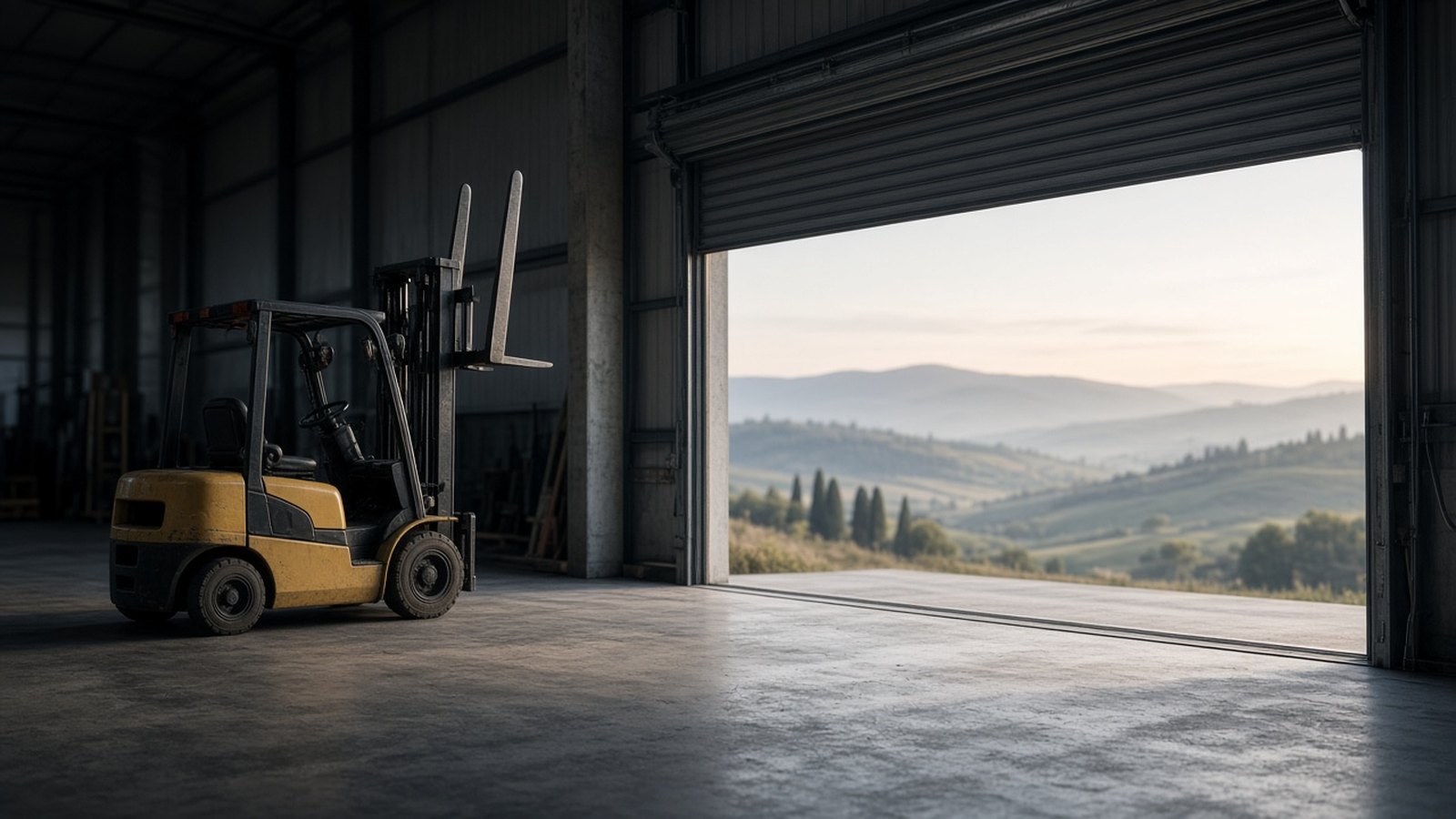
Seven people in masks walked into a warehouse in Tuscany. They shut off the alarm and broke a gate open. Then they borrowed the winery's own forklifts and filled two big trucks. Workers found the empty bay on Oct. 5, the day the crates were due to leave. Margherita Stancati, Nick Kostov and Laura Cooper tell the story on the Journal's front page.
Marchesi Antinori is one of Italy's best-known wine houses. The family has run it since 1385. On Friday it said 30,000 bottles were gone. The thieves took about 10,000 bottles each of three 2023 reds, Solaia, Tignanello and Guado al Tasso. For Solaia, the priciest of the three, that's 20% of the whole year's production. One bottle of Solaia sells for $450 to $560 in stores. The company puts the loss at 5 million euros, about $5.6 million. That's the company's own number, so don't multiply bottles by the shelf price.
Here's the part that stings. The company had never been robbed before, its chief executive, Renzo Cotarella, told the Journal. None of the bottles were insured. He called the theft a hit to morale as much as to the books. Some workers' families have been with the vineyard for generations. “Let's hope it is the first and last theft,” he said. Italian police are on the case. The company exports to 170 countries. On Friday it warned importers not to buy wine that might be stolen. It also asked clients to report anything odd. Juan Munoz-Oca, the estates director for its U.S. business, learned of the theft Thursday morning. “We'll find them,” he said.
Europe's luxury crime wave
The paper puts the heist in a pattern. Thieves across Europe have gone after luxury goods. The Louvre lost French crown jewels last year, valued at more than $100 million. Gangs keep hitting handbag boutiques. Spain had a wine case in 2021, when a couple walked out of a Michelin-starred restaurant with 45 bottles worth nearly $2 million. The same paper had one piece of good news, on A9. Investigators in southern France tracked down two Renoir paintings taken from a museum last month. Six people are under arrest.
Our read
This is Insurance and Consumer Protection (M11). The lesson is as old as insurance itself. Never robbed is not the same as insured. A family firm had gone since 1385 without a theft, and nobody had insured against one. Then the loss landed at the worst moment, when a season's shipment sat in crates by the gate. Business owners should know what their policy says about finished goods in a warehouse, and about goods on the road. Households should know what theirs pays for a collection. Jewelry, art, collectibles and a watch drawer often sit above the standard limits of a homeowners policy. You find that out before the loss or after it.
A business that old has seen plenty of bad years. This is one it never had to have. The planning move is an inventory. List what you own that would hurt to lose. Then read the policy, and call the agent about anything the policy doesn't name. The winery didn't wait on the police. It warned its importers the day it went public. Don't wait for the first drop to find out whether the umbrella opens.