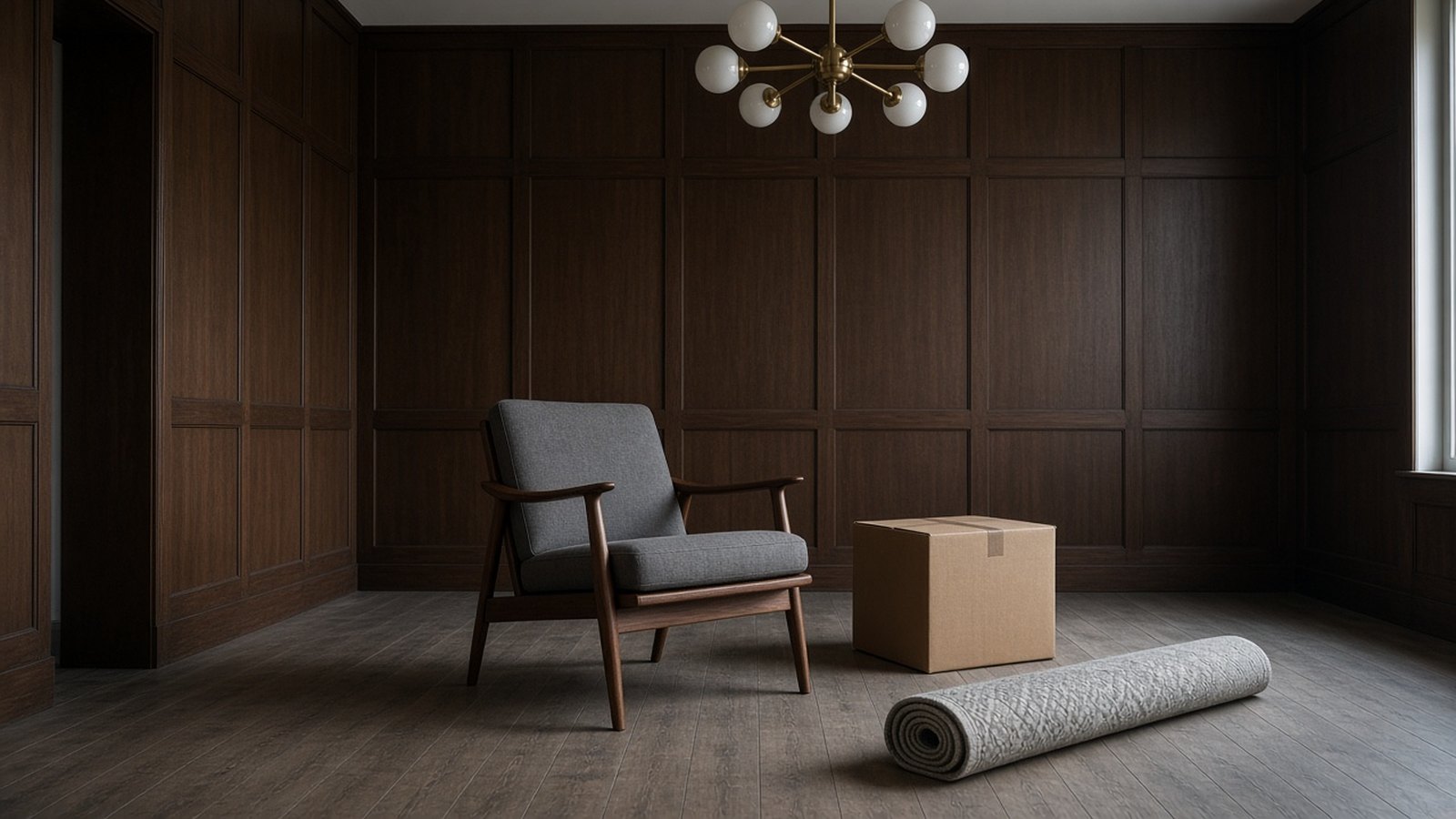
Anthony Vesnaver, 45, co-owns the Newburgh Vintage Emporium in upstate New York. Midcentury dressers used to sell fast at his shops. Now they sit, and he says his customers have moved on. The Journal's Misty White Sidell has one word for what happened to the whole look. “Cringey.”
The style came out of postwar optimism. It furnished the new suburbs and was one of the first looks mass-produced across the country. The glut got thrown out. Then, in the 2010s, millennials picked it back up. The paper defines them as born between 1981 and 1996. They saw vintage as a step up, and filled apartments with walnut dressers, Space Age lamps and peacock-blue upholstery. Casey Lewis, 39, a writer who tracks how taste moves between her generation and Gen Z, says the look “very much defines a moment in time.”
Demand pushed resale prices up, and the copies arrived. West Elm, Article, Home Depot (HD) and Amazon (AMZN) sold budget versions of uneven quality. The last two sit in our model books, 8 and 19 of them, held at weight with nothing added. On Instagram, real and fake got filed under one tag, MCM. Copies of Eames and Saarinen chairs now furnish short-term rentals. Sidell's own judgment is that a houseful of replicas showed little taste. That's her view. Plenty of good rooms have a West Elm sofa in them.
What still sells
Here's the number. Veronica Renton, a vintage specialist at the resale site 1stdibs, says purchases of vintage midcentury furniture there ran 4% below last year from January to June. In Denver, Carleen Laronn, 36, decorates rentals in Colorado. Some clients have asked her to redo midcentury places, citing slower bookings. The one thing that holds is the real article in its real setting. Mary Regal, 46, a Los Angeles real-estate agent, says midcentury houses dressed with period pieces for a sale keep fetching more than the asking price. That's one agent's account with no data behind it. But it fits a pattern we see in most markets. Scarce things tend to hold their price. Copied things don't.
The page's box keeps the door open. One original in a mixed room still works, it says. Its picks run from a 1950s leather magazine rack at $264 to a Danish fish-shaped platter at $738. A silverplate coffee set at $335 and a ceramic decanter at $425 sit in between. Prices vary, and the box says they're usually lower in person.
Our read
This is Housing (M6), with a Cash Flow note. Furniture is spending. Buy it to use for 20 years and carry it at zero on the household balance sheet. If a chair holds its price, that's a gift, not a plan. Buying on 1stdibs fell 4%, which hints that the crowd is moving on. The housing point is staging. If you own a house of that era and plan to sell, the agent's account says period pieces in a period room earn their keep. Stage it, borrowed or rented, for the weeks it's listed. Don't buy the pieces as an investment.
If you own a short-term rental, decor is a business cost that comes around again. The Denver decorator's clients are paying to redo rooms they already paid to furnish. Budget for that the way you budget for a roof. Taste changes like weather, and you don't shop for the umbrella in the rain. Once a year, ask what your house would need to sell this year, before you need it to.