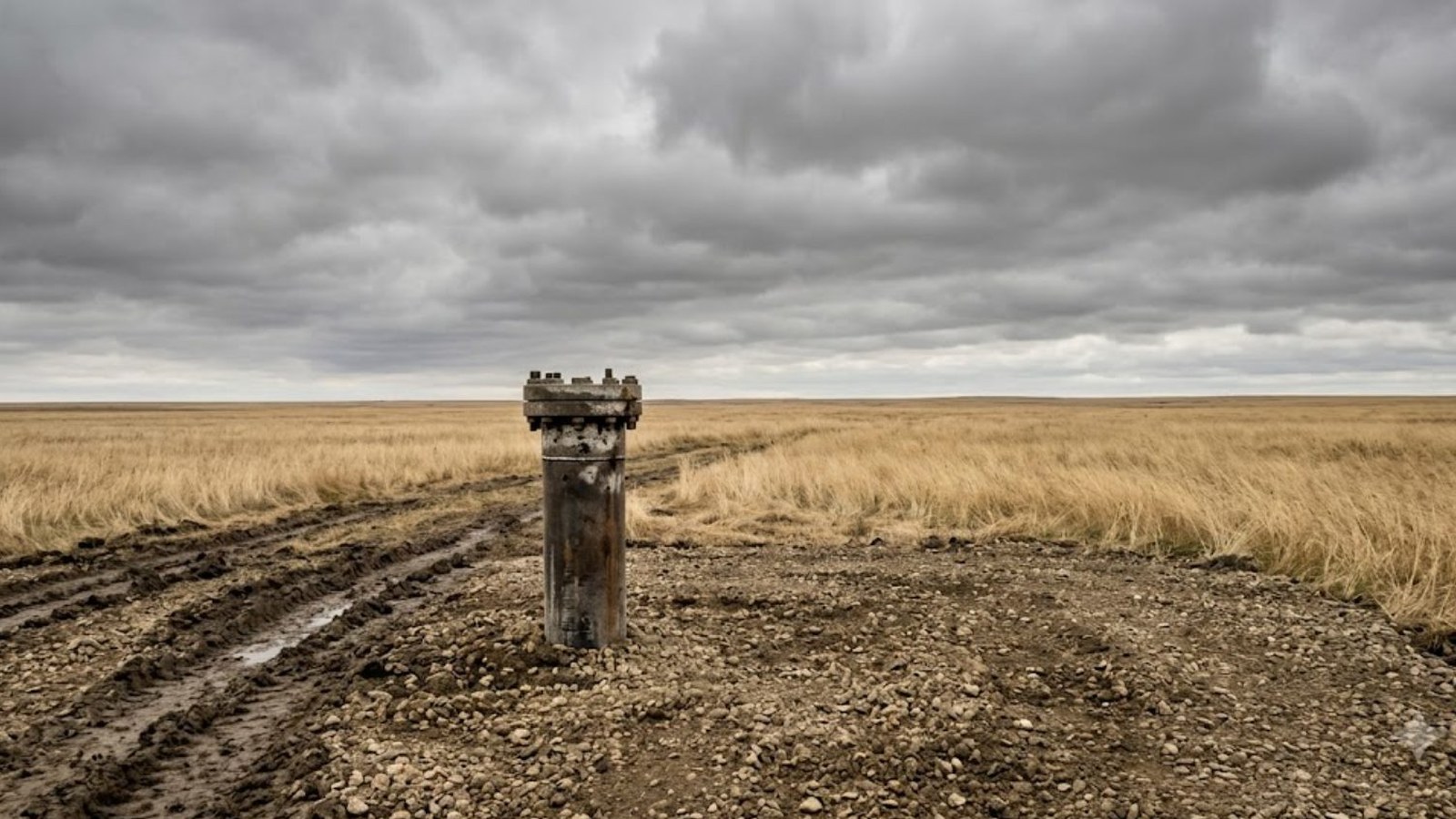
In Cabimas, children play baseball between pump jacks. The jacks leak. They also stop, because the power fails for up to 12 hours a day. This city of 350,000 on Lake Maracaibo is where Venezuela's oil began, with a gusher more than 100 years ago. The Journal's Kejal Vyas went to see whether the oil age can start again there.
The numbers tell the story. Venezuela pumped more than 3.2 million barrels a day in the late 1990s. By 2020, after U.S. sanctions bit, it was 500,000. Since January it has hovered just above 1 million. The U.S. captured Nicolás Maduro in a raid in January. He faces drug-trafficking charges in New York, which he denies. Ten months later, little investment has shown up. Industry executives and experts said rebuilding will take years and cost hundreds of billions of dollars.
Washington says the turn has begun. At a packed conference in Caracas, a U.S. diplomat pointed to deals with Chevron (CVX) and GE Vernova (GEV) as proof. More than 650 energy executives attended the three-day event. The potential is real. “Venezuela has more crown jewels than the Tower of London,” said the chief of Hunt Energy. So are the problems. Only a third of the country's 30,000 wells are active, an SLB (SLB) executive said. Almost eight years of sanctions kept new technology out. Executives listed the other hurdles. Power cuts. Too few experienced contractors. Financing that is hard to raise under U.S. sanctions rules. Protesters have blocked roads to demand elections.
Waiting on the lake
On the ground, people are tired of waiting. José Medina, a fisherman with five children, hopes the foreign companies come back. “It feels like we're neither moving forward nor backward,” he said. Elmo Quintero, 65, keeps a rusted state pump jack next to his brick home. He's diabetic and can't afford insulin. Water arrives for a couple of days every three months. As he talked to the Journal, the pump jack behind him ground to a halt. Another power failure. He said he's thinking about his grandchildren now.
Our read
This is Investments/Risk (IN04), the energy sleeve. The practice holds Chevron in 37 books and GE Vernova in 30, at weight, nothing added. SLB sits in 14. We hold energy as a hedge against the oil shocks of this year, and that hasn't changed. Venezuela is a reason to be patient with that hedge. New supply from the lake is years and hundreds of billions away. It is unlikely to cap oil prices this winter. Oil closed Tuesday, Oct. 13 at $94.14 a barrel.
Here's your check this week. Look at the gasoline and heating lines in your budget and see what oil price they quietly assume. If you've been waiting for cheaper fuel to fix the month, Cabimas says don't. Then open your 401(k) and find out how much of your main stock fund is energy. A hedge is something you own before the shock, at a size you can hold for years. If energy is zero, that's one conversation. If it's a bet, that's a different one. Either way, it's a question for your next review. Pack the raincoat on a dry day, and check that it still fits.