Same company, two bonds, two very different prices. CoreWeave (CRWV) sells computing power to AI companies. Its own bonds due in 2030 now yield close to 15%. A bond backed by a North Dakota data center that CoreWeave rents yields around 8%. The tenant is the same. The risk isn't.
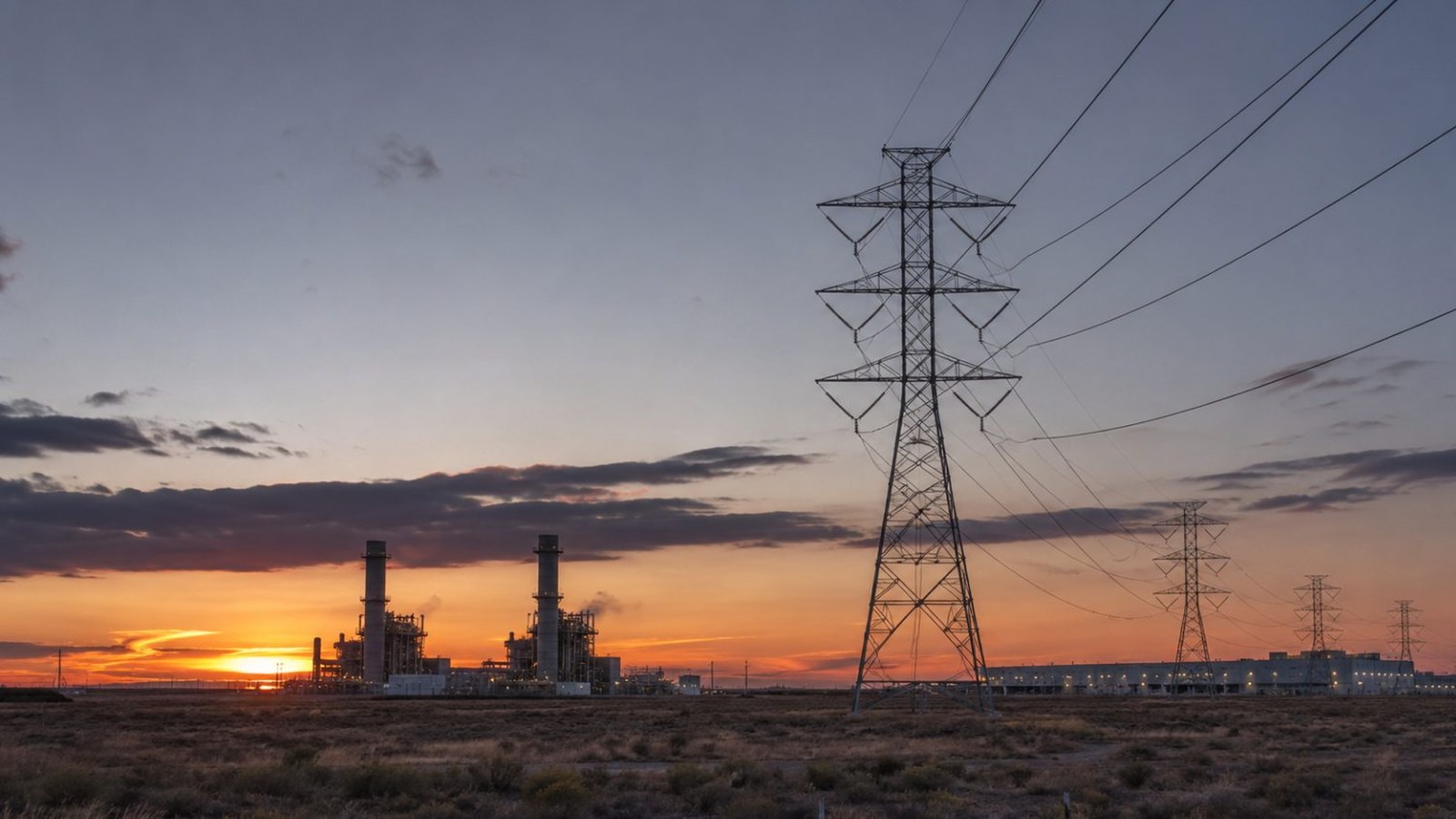
Telis Demos explains the gap in the Journal's Heard on the Street column. CoreWeave's own bonds are rated junk, meaning below investment grade. They are also unsecured, so no particular asset stands behind them. The other bond paid to build Applied Digital's North Dakota data center, which CoreWeave leases. Bonds like that can be secured by the building itself. Some are even set up to repay their principal within the life of the lease. If CoreWeave stumbles, those bondholders still have a claim on a data center another tenant may want. "You should not view the AI trade in credit as one big trade," says Lotfi Karoui of Pimco. Bond buyers now price each link of the AI chain on its own.
The chain is long. Data-center issuers raised more than $100 billion in dollar bonds this year through Oct. 16. That's about 25% of all AI-related issuance, up from about 16% the year before. The selloff reached well past junk. A spread is the extra yield a bond pays over a Treasury, and a basis point is a hundredth of a percentage point. Oracle's (ORCL) bond due in 2040 ended the week at a spread of 309 basis points, an 8.17% yield. A week earlier it was 265. So the market now wants more pay from an investment-grade name, too.
A backer's case, and a plug that wasn't there
One of CoreWeave's venture backers, with a stake worth about $10 million, told the Journal the stock is misunderstood. He says its debt is backed by contracts with large, investment-grade customers, and he claims nearly $130 billion of backlog. That is his claim, and backlog isn't cash. Tuesday's paper brought another story. Microsoft (MSFT) pulled out of a lease at one Nscale data center outside London. The site was built for 50 megawatts and about 23,000 of Nvidia's newest chips. The U.K. grid couldn't power it by year-end, so Microsoft walked away from that site. It says it still backs Nscale elsewhere. A late project can lose its tenant. That is the completion risk the bond market is pricing.
Our read
This is a Fixed Income IN02 story. A 15% yield is not a gift. It is the market saying it wants to be paid for a real chance of loss. CoreWeave closed Monday, Oct. 19 at 61.12 after touching a 52-week low of 59.25, following a 25% drop the week before. The house holds CoreWeave in one book, the Chips Supply satellite sleeve, at 16%. Nothing added, nothing trimmed. Our safe money sits in Treasury bills (SGOV, 49 books) and floating-rate Treasurys (USFR, 14 books). They yield far less than 15%, and that is the point. Our verdict is watch.
Here's the connection to your own plan. If you own a high-yield or "multi-sector" bond fund, pull up its top holdings this week. Look for data-center and neocloud names like CoreWeave. A bond fund that yields more than its peers is usually taking more risk somewhere, and the label rarely says where. You check the roof on a dry afternoon, and this is one. If the list holds more AI debt than you expected, bring it to a review and we'll go through it with you.