Vivian Wei spent more than ten years finding engineers for China's big tech firms. Now those firms are laying people off. So she's closing her business. Her income has more than halved in a few years, she told Hannah Miao of the Journal. Her biggest worry is whether her 12-year-old son will find a job when he grows up.
The big number looks fine. China's economy grew 4.5% in the third quarter from a year earlier, by official data released Monday, Oct. 19. That's up from 4.3% the quarter before, the slowest pace since 2022. It sits at the low end of Beijing's target of 4.5% to 5% for the year.
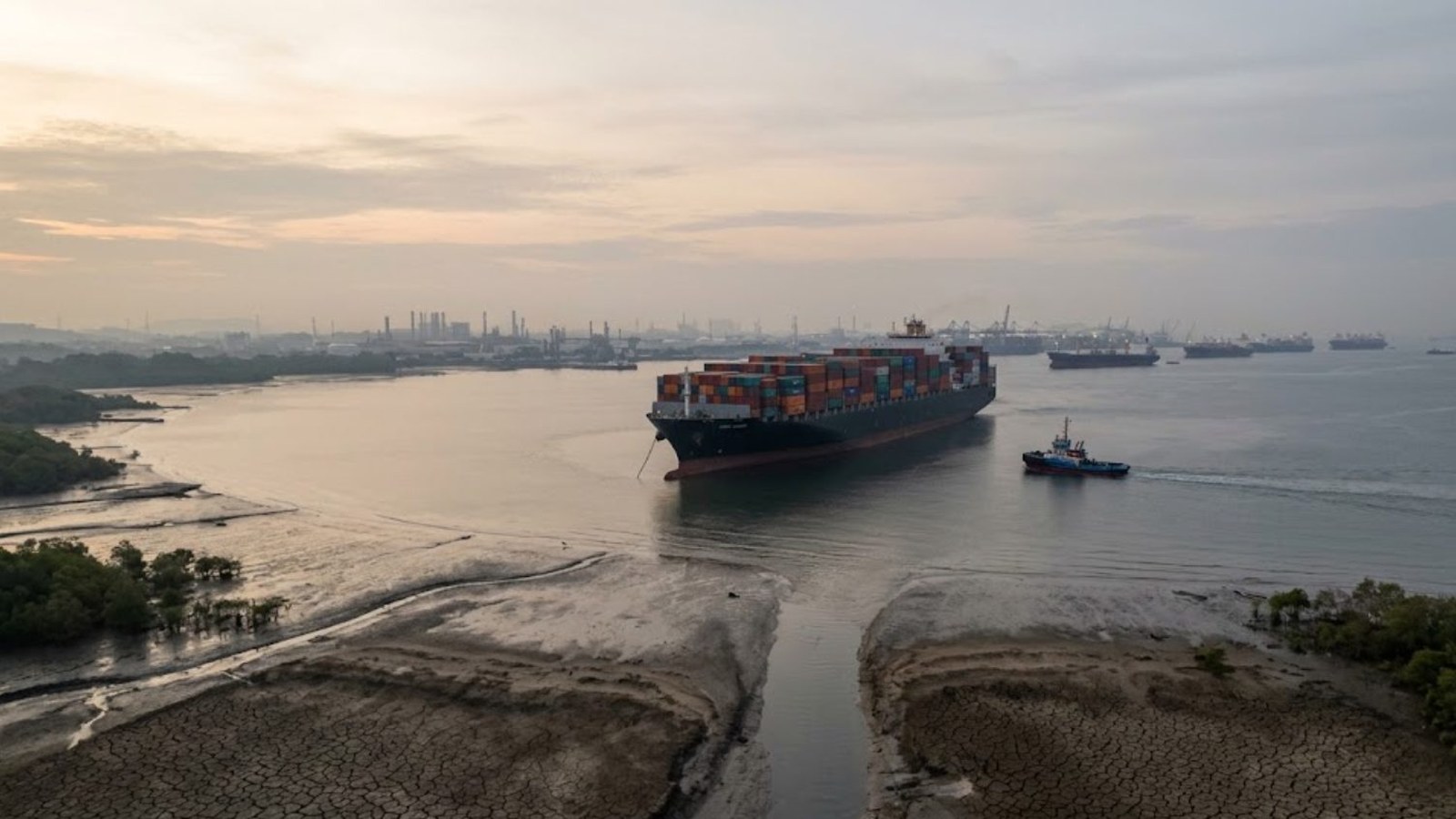
Look at where the growth came from. Exports jumped 36% in September from a year earlier. Shipments to Europe rose 25%. Shipments to the U.S. rose 40%. The trade surplus reached $938 billion in the first nine months. That puts it on track to beat last year's record of $1.19 trillion. The AI boom is one reason. Data centers around the world need chips and tech gear, and China's factories are selling them. Electric cars and machinery are selling too.
The shopper stayed home
Now look inside the country. Retail sales rose just 1.1% in September. A year earlier they grew 3%. Property investment fell 21% this year. A sweater seller in a Beijing wholesale market told the Journal she needs to sell about 30 items a day to break even. Most days she doesn't. A tools vendor used to take in about $300 a day. A good day now is about $50. Even an insurance agent with steady pay has swapped her $6 coffee for a $3 one. Official unemployment sits near 5%. But a think tank expects 320 million people in gig work in 2026, more than 40% of city jobs.
Our read
This is an Investments/Risk · IN04 story. A country's GDP is one number, and it can hide two very different economies. China's exporters are riding the same AI build-out that lifts our chip holdings. China's shoppers aren't. A fund that bets on the China consumer and a fund that bets on China's exporters are two different bets. And an export surge this size raises trade tension with every country trying to compete with it. We don't forecast how that ends. We'd just note that it's hard for exports alone to carry an economy for long when its own people are saving instead of spending.
Here's the check for your own plan. Open your 401(k) or IRA and find the international or emerging-markets fund. Ours is VWO, held at weight in 9 of our model books; nothing added. This week, look up your fund's China weight on its fact sheet. Then multiply it by that fund's share of your account. That's roughly the size of your China bet. Check the top ten holdings too, to see whether you own exporters or companies that sell to Chinese shoppers. If the number is bigger than you expected, bring it to your next review.