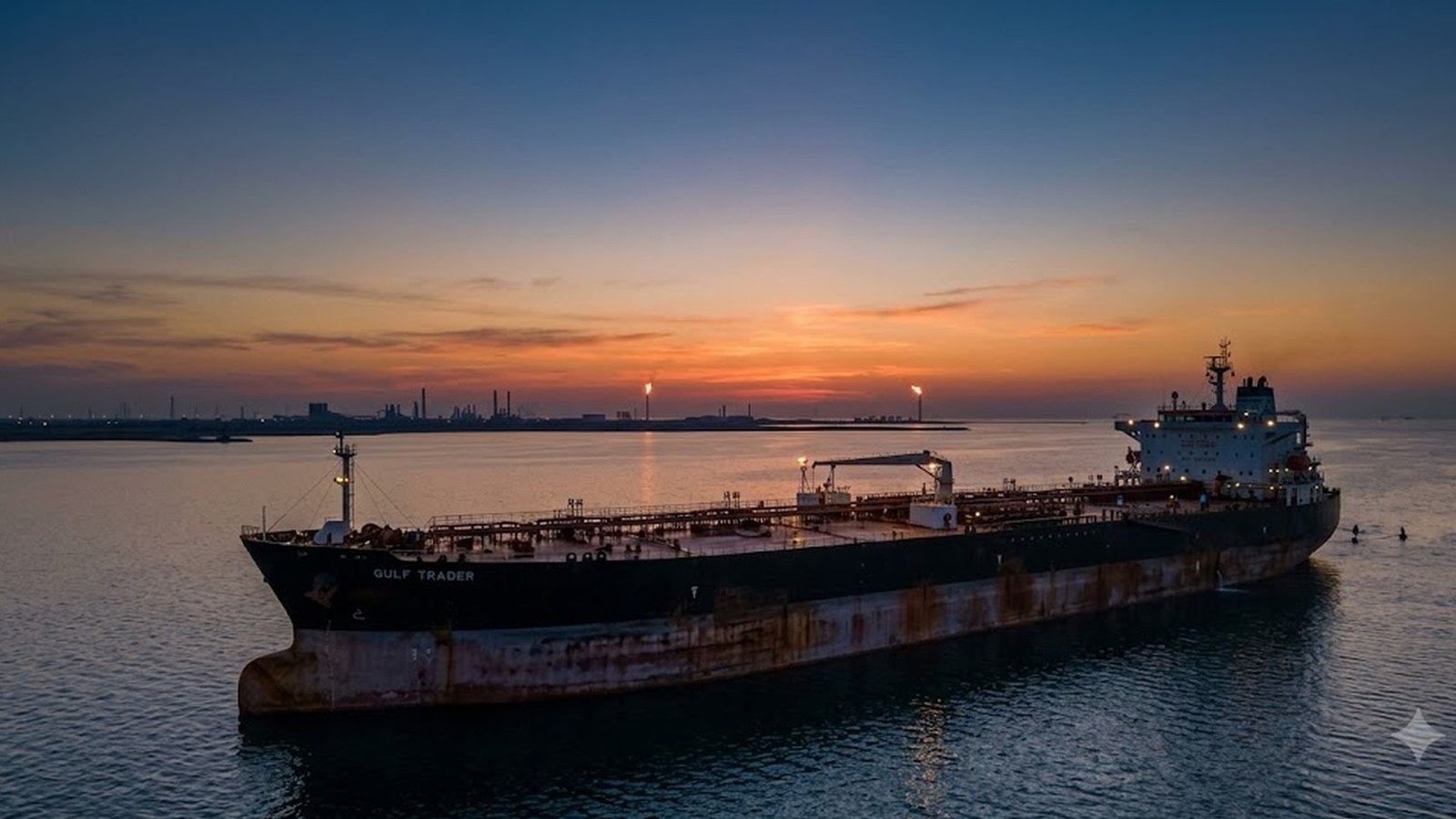
In Riyadh there are no sirens. Schools closed for a week with no explanation, Karen Elliott House writes from the city. Then came Monday, Oct. 19. Saudi Arabia postponed its flagship investor conference, due to open Oct. 26, until next year. The reason is missile fire from Yemen.
The Houthis now hold the coast on their side of the Bab al-Mandeb Strait. The Weekend paper calls it a chokepoint for Saudi oil exports. The other door is Hormuz, which Iran shut earlier in the war. The Houthis have hit Riyadh's airport at least four times in two weeks. One strike killed at least 13 people and injured more than 300. Tuesday's paper counts 20 projectiles at the airport in all. On Monday a Houthi missile strike killed at least 53 Yemeni government soldiers. Few countries spend more on defense than Saudi Arabia, David S. Cloud reports. Even so, it's running short of the missiles that knock down incoming fire.
The bill is landing. The Finance Ministry expects the Saudi economy to shrink 3.6% this year. Oil activity is expected to fall about 21.8%, House writes. Tourism fell 5% to 6% in the first five months of the year. Some bankers at JPMorgan and Citigroup were canceling meetings before the conference was called off. A fashion week, a tennis event and a golf tournament were changed or called off too. One Saudi official put it in nine words. "No shooting is good, but no certainty is bad."
The other end of the pipe
The oil map has a second fire. Early Sunday, Oct. 18, Ukrainian drones hit a major oil terminal in St. Petersburg, the biggest attack on the city since the war began. Russian air defenses downed 145 drones over the region. Ukraine's strikes have already made Russia a net fuel importer, the Journal reports, and that tightens the world's fuel supply. Two chokepoints under threat and Russia's fuel plants under fire are why oil sits above $100. The November WTI contract, the U.S. crude benchmark, closed at $103.66 on Monday, Oct. 19, up $2.25. The December contract, which trades more, fell 0.5% to $98.54. Crude rose 10.41% in the week of Oct. 12-16, and it's up 80.53% this year.
Our read
Investments/Risk (IN04). This is what an energy hedge is for. When a war pushes oil up, the airlines, truckers, chemical makers and every consumer in your portfolio pay for it. An energy slice pays you back. Exxon (XOM), Chevron (CVX), ConocoPhillips (COP) and EOG (EOG) all hit 52-week highs on Monday, Oct. 19. We hold them for weeks like this one. CVX is in 37 books, XOM in 34, Cheniere (LNG) in 20, COP in 17, EOG in 15 and Valero (VLO) in 12. Held at weight, nothing added. A hedge isn't a bet on war, and it isn't a reason to chase oil at $100 either. The risk is already in the price.
Your check this week is one number. Open your statement and find your energy weight. Zero means every tank of gas and every heating bill comes out of your pocket with nothing on the other side. A slice so big that oil decides your whole year isn't a hedge anymore. Then the war is running your plan. A hedge sits in between, sized to soften the hit. If you can't find the number, that's the review, and we're glad to look with you. We'd rather find the umbrella while the sky is only gray.