In Bangkok, in the week ending Friday, Oct. 16, the world's finance chiefs said something blunt. The global economy, they said, is betting the house on artificial intelligence. The Journal's Jason Douglas and Peter Landers reported it from the IMF and World Bank meetings. The payoff has been big so far. The question in the room was what happens if it stops.
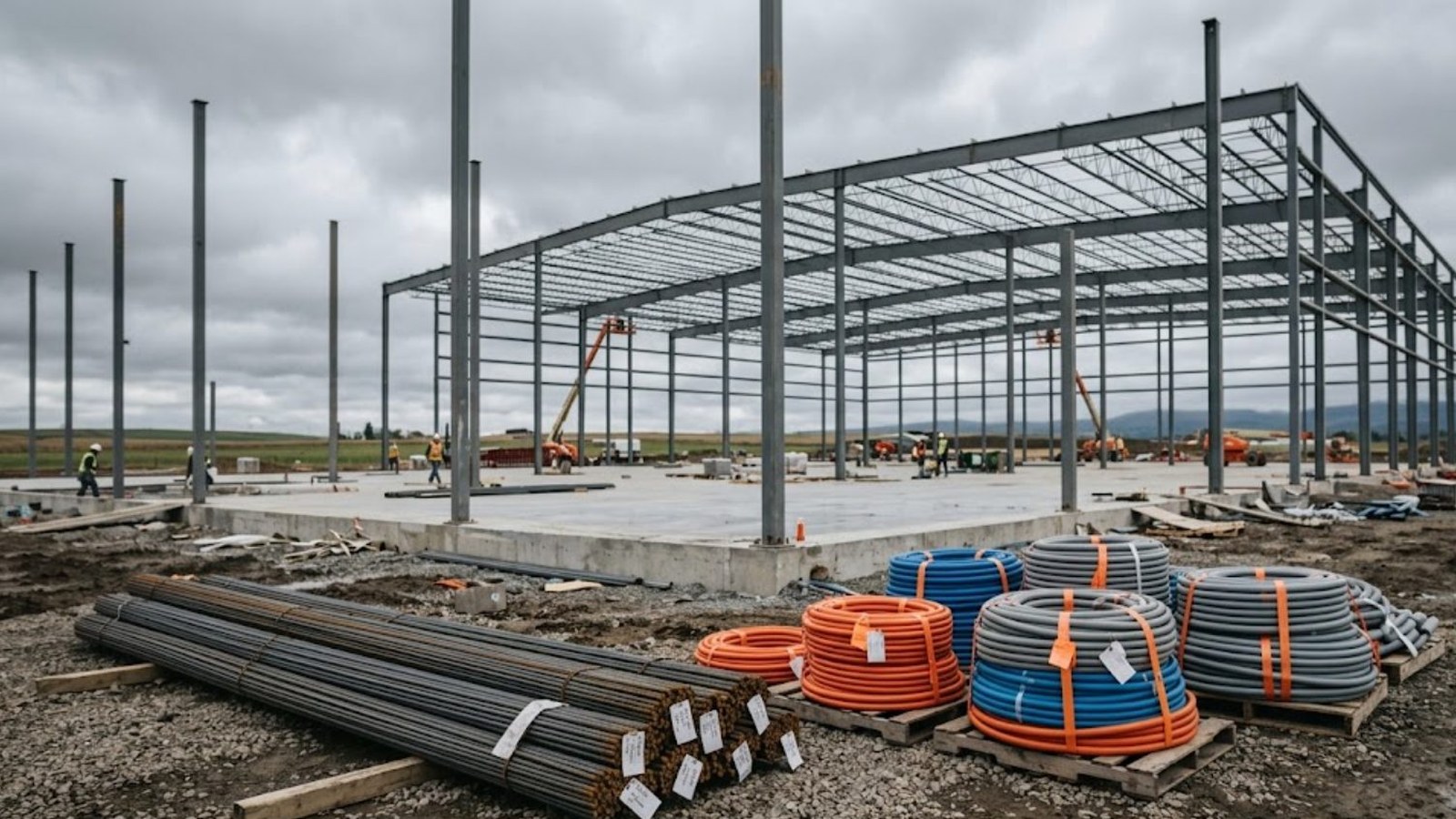
The scale is the story. AI spending is powering U.S. growth. Asian countries that make chips and servers are booming. Economies tied to the boom took the Iran war's fuel shock better than the rest. In the U.S., spending on data centers and the gear around them may top $10 trillion in the seven years through 2032. That's about 3.6% of GDP a year, by economist Stijn van Nieuwerburgh's estimate. The Journal says a boom that size would dwarf the building of the railroads, the electric grid and the internet.
Three futures, none picked
The IMF ran three scenarios and wouldn't say which it believes. In the first, AI lifts productivity and the world gets strong growth with tame inflation. In the second, AI works, but chip makers can't keep up. Supply snags push up inflation and interest rates for a while before the gains arrive. In the third, the mood turns. AI profits come in light and investors pull back. Spending drops in the U.S., Asia sells fewer chips and servers, share prices fall hard and the dollar slips. In that case, world growth in 2028 is as much as 1.3 percentage points lower. The fund was careful to call it a scenario. It isn't a forecast.
The nerves showed up the same week. Chip stocks fell. So did the bonds of AI builders such as CoreWeave (CRWV), which the desk holds in one satellite sleeve, nothing added. Two Australian data-center companies paused plans to sell shares. The IMF flagged a newer risk too. Hackers used a Chinese AI program this month to hit South Korea's biggest banks and steal data on 68,000 people. Bank of Canada Governor Tiff Macklem put it mildly. “It could be a disruptive transition,” he said. IMF chief Kristalina Georgieva was blunter. People expect too much too soon, she said. “We're disappointed, we pull out. And then it becomes our problem.”
Our read
This is Investments and Risk IN04. We wrote about the IMF's growth math on Oct. 16. What's new is the three paths and the size of the bet, about 3.6% of GDP a year. At that size, AI isn't only a stock-market question. It reaches paychecks, exports and the dollar. That's why the verdict is watch, and why the desk's books are built the way they are. The big AI names are held at weight, and the rest of each book leans on things AI doesn't drive. Energy, gold, equal-weight stocks and Treasury bills.
Here's the piece of your plan this touches. Your 401(k) index fund. A fund that tracks the S&P 500 buys by size, and the biggest companies in it are the AI builders. So an index fund is partly an AI bet whether you chose it or not. This week, open the fund's fact sheet and read its top ten holdings. Add up the share they take. If that number surprises you, that's the finding. An equal-weight fund or a plain bond fund beside it is how people spread the bet. You check the roof before the rain, and we're glad to read the fact sheet with you.