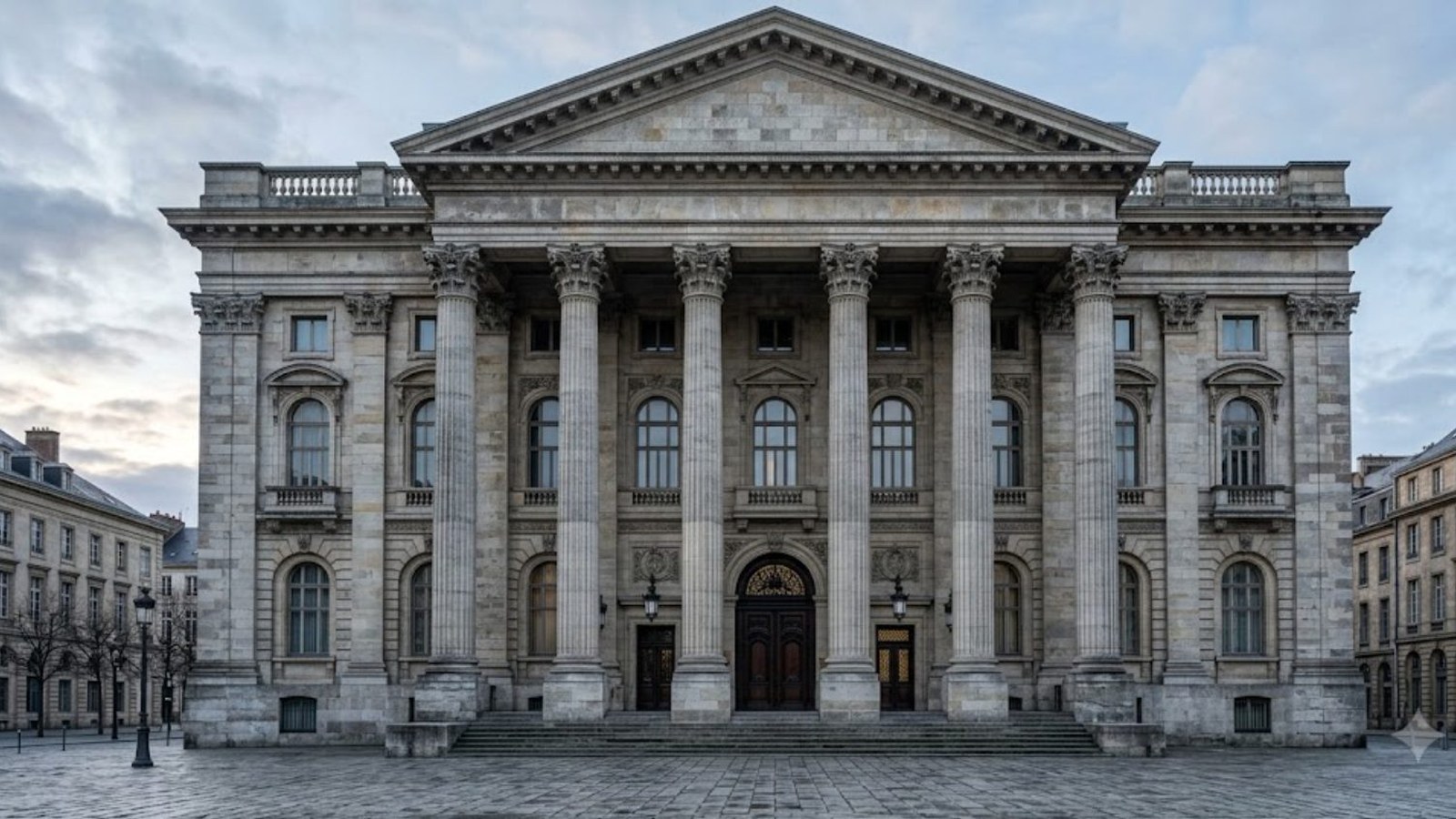
A Paris electronics-store owner, 47, got to his shop Saturday evening, Oct. 17. About 70,000 euros of goods, roughly $78,000, were gone. Looters were still pushing in as he tried to fix the metal shutter. “This is a financial catastrophe,” he told the Journal. By Monday the count stood at more than 3,000 stores damaged or looted across France.
The protest started over the cost of living. More than half a million people marched on Saturday. On the edges, hooded groups hit shopping streets and city halls. In Limoges, rioters set fire to the 19th-century town hall as TV cameras rolled. By nightfall its bell tower had collapsed. More than 600 police and firefighters were hurt. More than 2,000 people were detained. On Monday, Oct. 19, Paris police set an overnight curfew at Place de la République and Les Halles. It ran from 11 p.m. to 6 a.m. The prime minister said no one was killed.
Everyone blamed someone. President Emmanuel Macron condemned the violence Sunday and warned of politicians using the chaos. Prime Minister Sébastien Lecornu blamed organized far-left groups. Jean-Luc Mélenchon, the leading candidate on the left, said the government's policing had opened the door to chaos. Marine Le Pen, who leads the polls, faulted Macron as powerless. The first round of the presidential vote is about six months away, next spring. Macron can't run again.
The debt under the riots
France has run deficits above 5% of GDP for years. Its debt is nearly 120% of GDP. Investors have been pushing up what France pays to borrow, Stacy Meichtry reports. Le Pen's party helped vote out two prime ministers who tried spending cuts. She now pledges to push the retirement age as low as 60. The paper says that would add billions of dollars to the yearly deficit. Mélenchon's idea is bigger. He wants the European Central Bank to cancel nearly half a trillion euros of French debt. Spencer Jakab's Markets column in the Weekend paper opens with the words “Throw it in the fire.” Then he says what that costs. “Because nothing is free,” he writes. The central bank created reserves to buy those bonds. Cancel the bonds and that money becomes permanent. Jakab says the inflation that follows would hurt savers. And since France shares the euro, savers in other countries would be hit too.
Our read
This is a Fixed Income · IN02 story. A government bond is a promise. Its price rests on two things, the country's ability to pay and its willingness to. The riots and the election put the second one on the table. A plan that widens the deficit can push lenders to ask for more interest, and that lowers the value of bonds already out there. Canceling debt would pass the loss along through inflation instead. Jakab adds that the slow version, holding rates below inflation, can do the same thing to savers as the fire. That's why most of our safe money sits in short Treasury bills (SGOV in 49 books, USFR in 14). Long bonds stay small (TLT in 4 older books, nothing added), and none of our books holds French government bonds directly. Our Europe stock fund, VGK, is held at weight in 11 books and owns French companies; nothing added. We ran France's bonds on Oct. 7 and 14. What's new is the riots, and two campaign plans that would each touch the debt.
Here's your check. A target-date fund in a 401(k) often holds an international bond fund. France is the eurozone's biggest borrower, as Jakab notes. Open your fund's fact sheet this week and find the line for international bonds. If it's there, see what share is European government debt. You don't need to sell anything. You only need to know it's there before the next French headline. If the number surprises you, bring it to your next review and we'll look at it together.