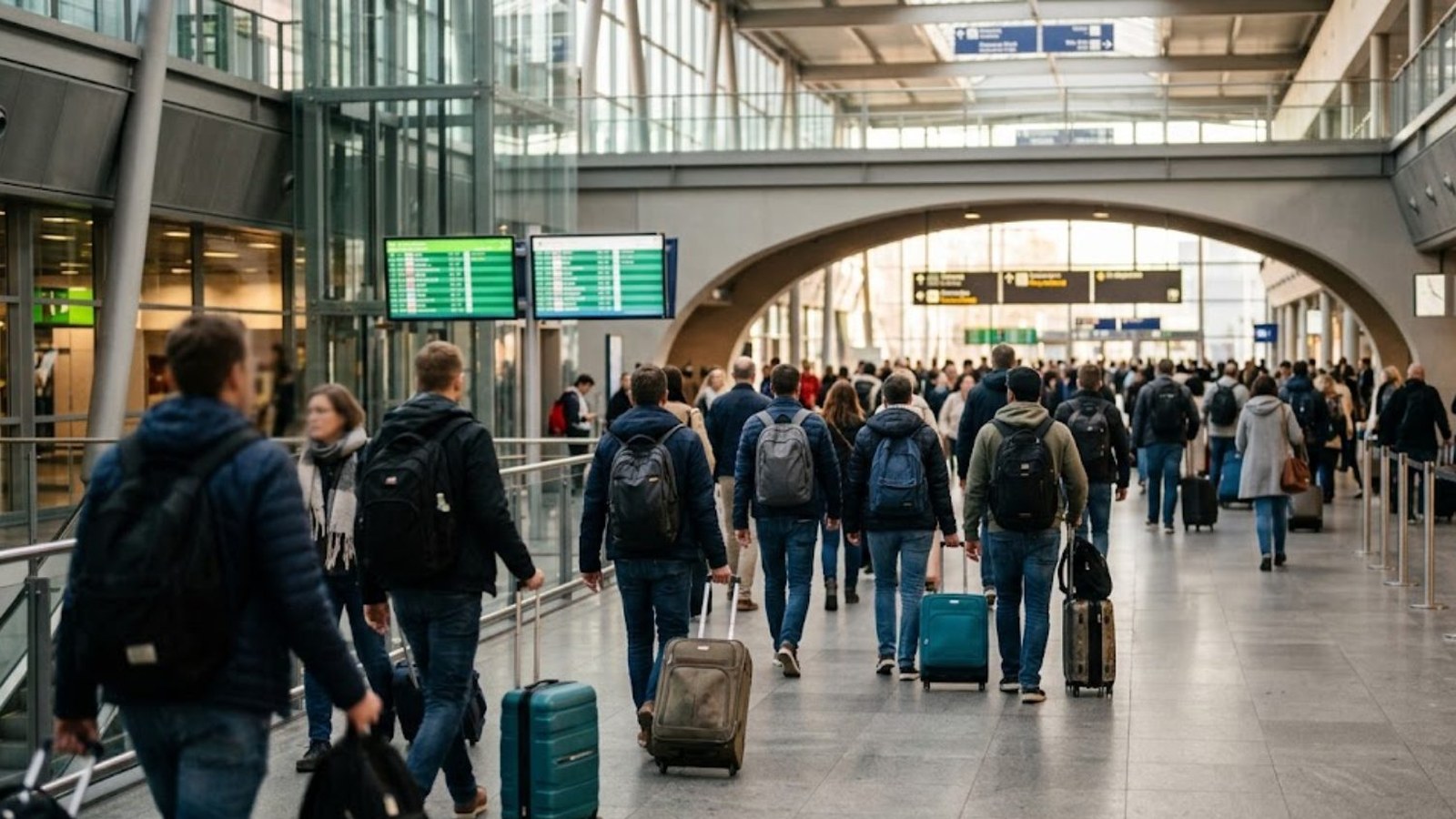
Jalen Hurts got cleated in the calf on Oct. 4. Six days later he was in a London hospital the night before a game. An ultrasound found a superficial blood clot in his leg. The Eagles' doctors cleared him. He played, lost, and flew home across the Atlantic. Now the Philadelphia quarterback has clots in his lungs, and his season is likely over.
Andrew Beaton tells the story in Thursday's Journal. Hurts sought treatment four days after the Rams game, ahead of the Jaguars game in London. On the night of Oct. 10 he had an ultrasound at a London hospital as a precaution, the team said. The scan found a superficial clot, the kind near the skin. The medical staff gave him the green light. He wasn't on the field for warm-ups. The Eagles handed off instead of running their signature sneak play with him, got stopped on downs, and lost 19-17. Then the team flew home.
Last week a follow-up exam showed the clot had moved. Hurts was ruled out against Carolina, and the Eagles fell to 2-4. The team and his agent then confirmed deep vein thrombosis and pulmonary emboli, clots in the lungs. He's clinically stable and on blood thinners, which rule out contact. The Eagles say his prognosis is very good and they expect a full recovery. On Tuesday, Oct. 20, the NFL Players Association called for a formal investigation. "There must be a full investigation into what occurred," a union spokesperson said. League executives defended the care at meetings in Manhattan. Dr. Allen Sills, the NFL's chief medical officer, said everyone was "incredibly conservative and incredibly vigilant." The league says it scouts hospitals and doctors at international sites long before a game.
The part that applies to you
Dr. Caron Rockman chairs vascular surgery at Hackensack University Medical Center. She says a superficial clot can turn into deep vein thrombosis, but it's rare. Flying can be a risk factor, she said, especially for people with DVT. That's the sentence to keep. A deep clot forms in a vein deep in the leg. If a piece breaks off and reaches the lungs, that's a pulmonary embolism. Doctors list long stretches of sitting still and recent leg injuries among the risks. Hurts had a fresh leg injury, then a long flight with a clot already found.
Our read
This is a Health story, and Insurance M11 is where it meets your plan. We aren't doctors, and nothing here is medical advice. The general lesson is simple. Know the signs. A swollen or painful calf, and later chest pain or trouble breathing, are the ones doctors tell travelers to watch for. A star quarterback with a team of doctors still ended up with lung clots. The rest of us fly with less. Our verdict is hold. There's no stock here, just the trip you have booked.
Here's the connection to your own plan. If you have a long flight booked this winter, pull up two documents this week. First, your health plan's out-of-country coverage. Many plans cover little or nothing abroad, and Original Medicare generally doesn't cover care outside the country. Second, your trip insurance, and whether it covers a hospital stay and a medical flight home. Hurts's league scouts hospitals before games overseas. You can look up the one nearest your hotel. If your plan stops at the border, that's a gap to bring to a review.