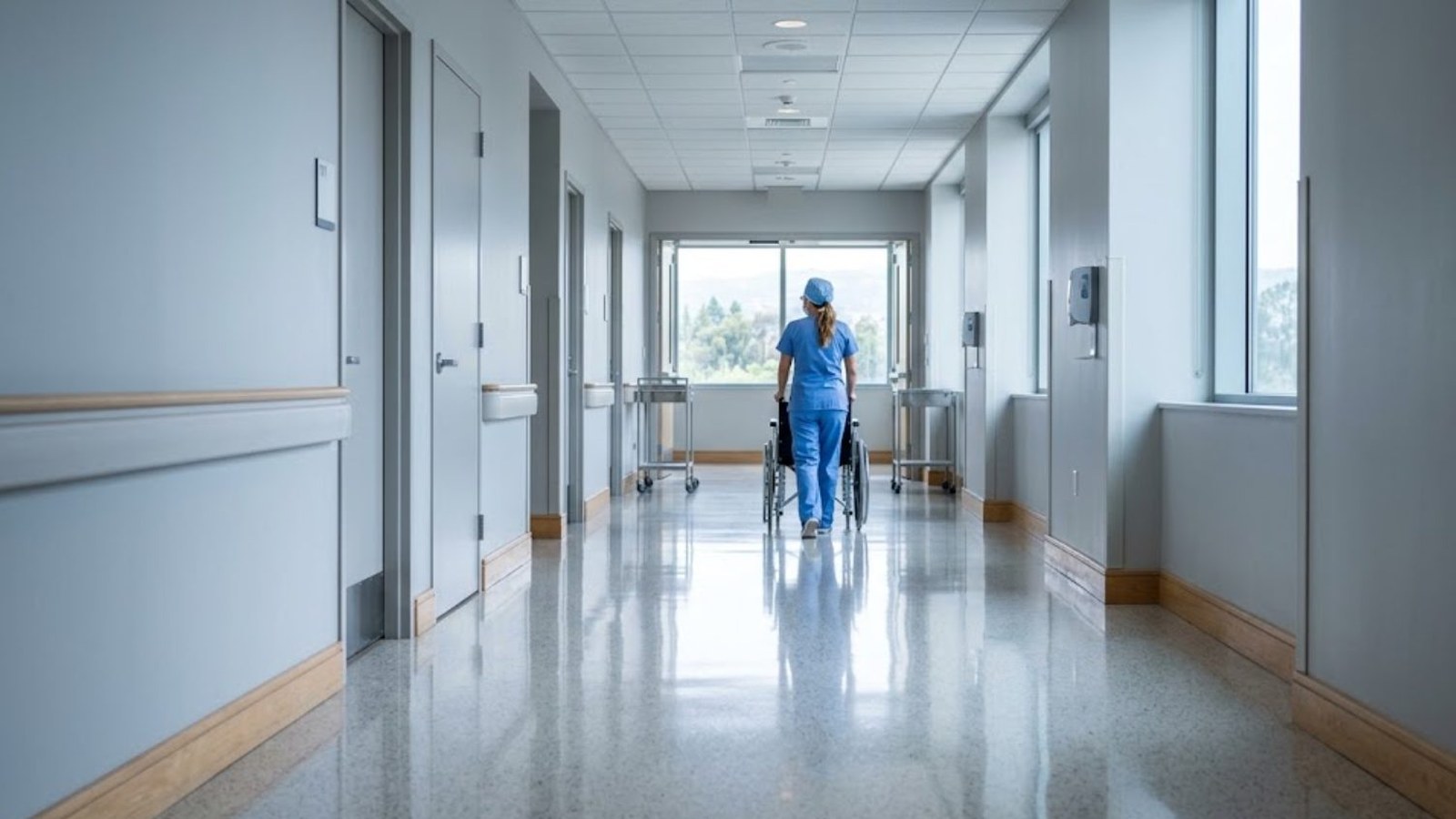
Paige Campbell offered an ER patient a blanket. The patient became aggressive and attacked her. She's 33, and she became a nurse during the pandemic to make a difference. After the attack she left the bedside for a job monitoring patients from a distance. She plans to go back to the ER later this year.
Te-Ping Chen tells her story on the front page of Wednesday's Journal. The puzzle is that the job pays better than ever. The typical nurse now earns $97,550 a year, a big jump since the pandemic. Most have a bachelor's degree, and schools graduate thousands of new nurses every year. Yet bedside nurses keep walking away. "There is no shortage of nurses in this country," says Jeff Doucette of Press Ganey. The shortage, he says, is nurses who want to work in today's environment.
NSI Nursing Solutions tracks the exits. Bedside turnover was 11% fifteen years ago. Pandemic raises calmed it for a while, but last year it climbed to 18%. In a survey this year, 43% of nurses said they were likely to leave bedside roles within a year, up from 38%. They cite understaffing, 12-hour shifts with 30-minute breaks at most, and abuse. Press Ganey found 2.4% of nursing staff were attacked last year, up 26% from 2017. That's well over 1,000 attacks a month, and the firm says it's likely an undercount. Patients wait too. A study of 1,500 hospitals found that in winter nearly 5% of patients wait over 24 hours for a bed.
What one exit costs
Omid Razmpour, a former ICU nurse who now does research at Emory University, says nurses can look like a cost on paper. Losing one costs more. He found each departure costs Emory Healthcare about $78,000. The gaps get filled with contract workers, and replacements need recruiting and training. Emory gave out $150 million in raises, mostly to nurses. Turnover fell and the system saved money, its recently retired chief nurse says. Rome Health, a safety-net hospital in upstate New York, was losing 50% of its staff a year as of 2019. A $5 million grant paid for a nurse residency and a coach. Turnover was 28% last year, and falls and some IV infections are down. Nurse-practitioner jobs pay more and are spreading as states allow independent practice. Virtual nursing and urgent care are growing too. Campbell's hospital belongs to HCA Healthcare (HCA), held at weight in 4 books; nothing added. HCA says it's investing in security, technology and training.
Our read
This is a Career story, and a Health Costs one for the rest of us. Many of our readers are public employees with a pension, and some work in hospitals. Two of the exits in the story, nurse practitioner and teaching, usually take a master's first. One Pennsylvania ER nurse in the story is getting hers now. Tuition is real money, and so is the pay step-up. Price both before you decide. Campbell is choosing to go back. "I want to stay in the game," she said. Our verdict is hold.
Here's the connection to your own plan. If you're a nurse weighing the door, pull up two documents this week before you give notice. The first is your pension's vesting schedule, so you know what a move costs you. The second is your employer's tuition benefit, which may cover part of that master's. For everyone else, look up which urgent care your health plan covers for minor problems, so the ER stays for emergencies. Bring the vesting page to a review and we'll run the numbers on the switch together.