Capital Wealth
TUE CLOSE · SEP 15   S&P 500 7,585.73 ▼0.45%  ·  DJIA 52,093.11 ▼0.63%  ·  NASDAQ 25,981.57 ▼0.78%  ·  10-YR 4.996%  ·  2-YR 4.673%  ·  WTI $106.05 ▲4.6%  ·  GOLD $4,337.00 ▼0.3%  ·  VIX 17.42 ▲1.9%
Arts in Review · Exhibition

Vases, Plates and Painted Light: The Met’s Orientalism Show Makes a Case for Beauty

A critic finds the Metropolitan Museum’s Orientalism exhibition a richer, more generous story of cultural exchange between Europe and the Middle East than the famous critique of Orientalism allows, and a joy to walk through.

By Sean Anees Saifi · Capital Wealth · Published Tuesday, September 15, 2026 · Source: The Wall Street Journal, September 14, 2026 edition (Arts in Review)
Key Points
About 180
works in the exhibition
1798
Napoleon invades Egypt, and the craze begins
1978
Edward Said’s critique Orientalism is published
Feb. 28
closing day in 2027 at The Met Fifth Avenue
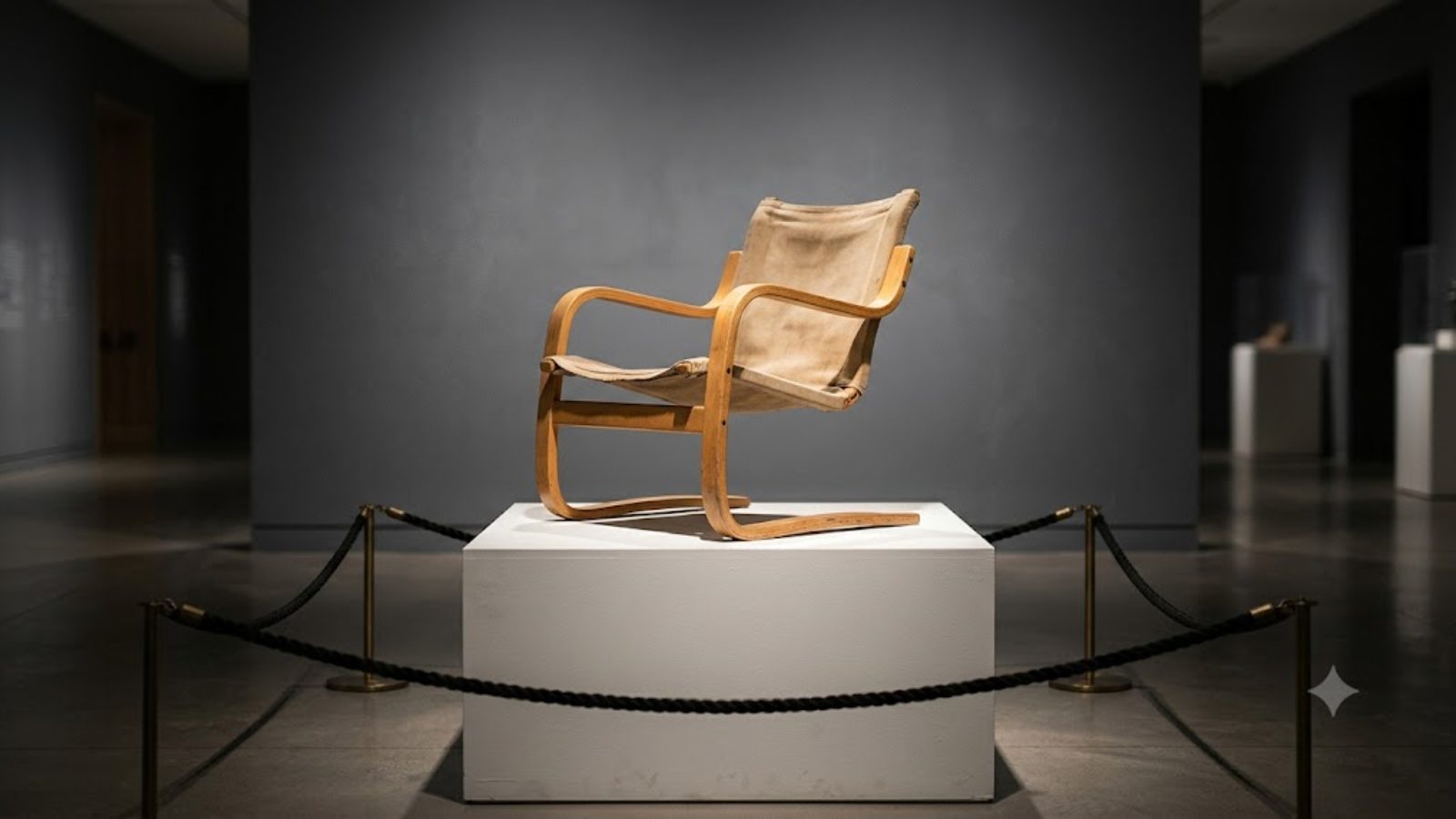
A bentwood armchair displayed on a white plinth behind a low rope barrier in a hushed, dimly lit gray gallery.
Osman Hamdi Bey, an Ottoman painter trained in France, painted everyday life in Constantinople. For critic Melik Kaylan, his work is the show’s best reply to complaints about a Western gaze.
In one line: The Met’s Orientalism show pairs Western works with the sources that inspired them, and a critic finds it beautiful and more generous than the famous critique of Orientalism allows.

Can you love a painting and still feel guilty about it? That question hangs over the Metropolitan Museum’s Orientalism: Between Fact and Fantasy. Since Edward Said’s 1978 book Orientalism, Western art about the Islamic world has often been read as imperial fantasy. Critic Melik Kaylan walked the show and came out delighted. It’s gorgeous, he writes, and it tells a richer story than that critique allows.

Side by side with the sources

About 180 works — textiles, paintings, books, furniture, photographs — sit between the Met’s European galleries and its Islamic galleries, so you can enter from either end. The clever move is pairing Western works with the images and objects that inspired them. It all starts with Napoleon’s 1798 invasion of Egypt. The invasion failed, but his experts glimpsed wonders like the Rosetta Stone, and the fascination spread across Europe and eventually the U.S.

Kaylan argues the traffic ran both ways. Those discoveries helped give birth to Egyptology, and to museums in the region itself. Enter from the Islamic side and you’ll meet a blue-and-turquoise vase made in France but modeled on Alhambra originals, plus a floral Iznik plate and the English Minton counterpart it inspired. World fairs spread the motifs, and European cities even built shopping arcades modeled on bazaars.

The painter who answers back

The paintings are the glamorous part, and the contested one. Artists such as Ingres and Jean-Léon Gérôme have long been faulted for exoticizing a culture they mostly imagined from afar. Kaylan grants that Gérôme’s Prayer in the Mosque is breathtaking and plainly inaccurate. The show’s best rebuttal, in his eyes, is Osman Hamdi Bey, a French-trained Ottoman pioneer whose realistic canvases show daily life in Constantinople.

Hamdi Bey’s At the Mosque Door (1891) glows with light and shadow. His Young Woman Reading (1880), sunny and richly colored, is, Kaylan writes, “a joy to look at, like the show as a whole.” It’s on view at The Met Fifth Avenue through Feb. 28, 2027.

An afternoon like that is money well spent. A memorable exhibition often outlasts whatever else the same money might’ve bought, and the art worth owning is whatever your family actually lives with and loves.

What It Means For Your Portfolio

Hold — make room for the museum day

Nothing to trade here; a show like this argues for a small, guilt-free budget line for experiences, and for the art your family will actually live with.

General planning principles, not advice for anyone in particular: shared experiences often keep paying off in memories long after the day ends. A modest, planned line for outings keeps them from feeling like splurges. Art at home works the same way. Buy what you’ll love seeing every day, at a price you won’t miss, and let that be the whole reason.

Nothing in the Capital Wealth portfolios changes because of an art review; we stay cautious, and nothing new gets bought before Wednesday’s Fed decision. The household move is giving experiences their own line. Tuck an umbrella in the tote before the museum trip, and bring a statement to the planning talk; in fifteen minutes we’ll see how many outings the year can fund.

Book a 15-Minute Review → Back to Edition No. 170 →