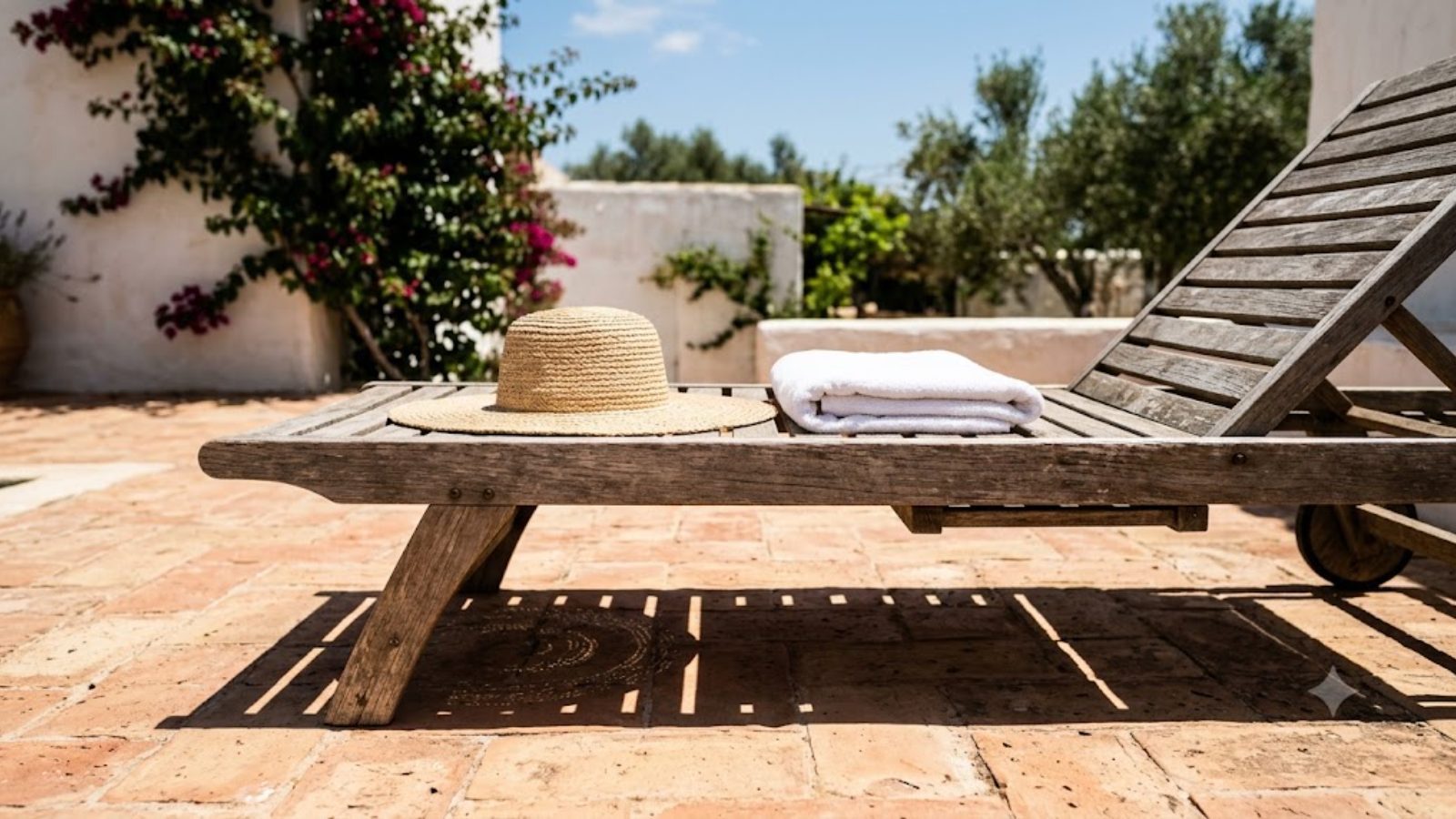
Mallorca’s message to visitors is getting an edit. This summer, protesters on the Spanish island’s streets and beaches told tourists to go home. Its leaders prefer a gentler version: come back, just fewer of you, and please spend more. The island long known for British bachelor parties and budget package tours wants to become a luxury destination for quieter, wealthier travelers — above all, Americans.
Fewer guests, bigger checks
The numbers explain the urgency. Mallorca, about 125 miles off the Spanish mainland, has roughly one million residents and is on track for about 14 million tourists this year. In summer, the daily population can swell by half. The crush has brought traffic jams, strained water supplies and a shortage of affordable housing; near Palma, some priced-out residents live in camper vans.
Some islanders want an outright cap on visitors. Leaders are trying a rebrand instead. “The change of model is quality over quantity. We need to have less tourists that spend more,” said Pedro Homar, who runs Palma’s tourism board. It’s a delicate dance, since tourism is nearly half of economic activity in the Balearic Islands, according to the nonprofit Exceltur.
The new rules have teeth. On parts of the island, authorities fined drunken behavior, banned party boats and capped drinks at all-inclusive hotels at six a day. Meanwhile, U.S. visits jumped 60% this year through June, United Airlines (UAL) has expanded direct flights from Newark, N.J., and boutique hotels catering to Americans have popped up across the island.
Budgeting for the upgrade
Why Americans? Government data show U.S. tourists in Spain spent about $410 a day in July, compared with $260 for British travelers and $240 for Germans. One boutique hotel chain even trains staff in what its American guests like: more small talk, help with itineraries and plenty of island history. It’s a business choosing the guests it wants.
For a retiree’s dream trip, the lesson travels well. When a popular place decides it wants fewer visitors who spend more, the budget version of the trip is the one getting squeezed. For illustration: two travelers each spending $410 a day for a week would go through about $5,740.
Mallorca’s own strategy works for a travel budget, too. Fewer, better trips can beat many cheap ones, and off-peak dates, which the island is openly courting, can ease the crowds. A South Korean honeymooner summed up the appeal: “The ocean is beautiful…it’s famous for a reason.” Famous rarely comes cheap, so price the trip at today’s rates and add a cushion.