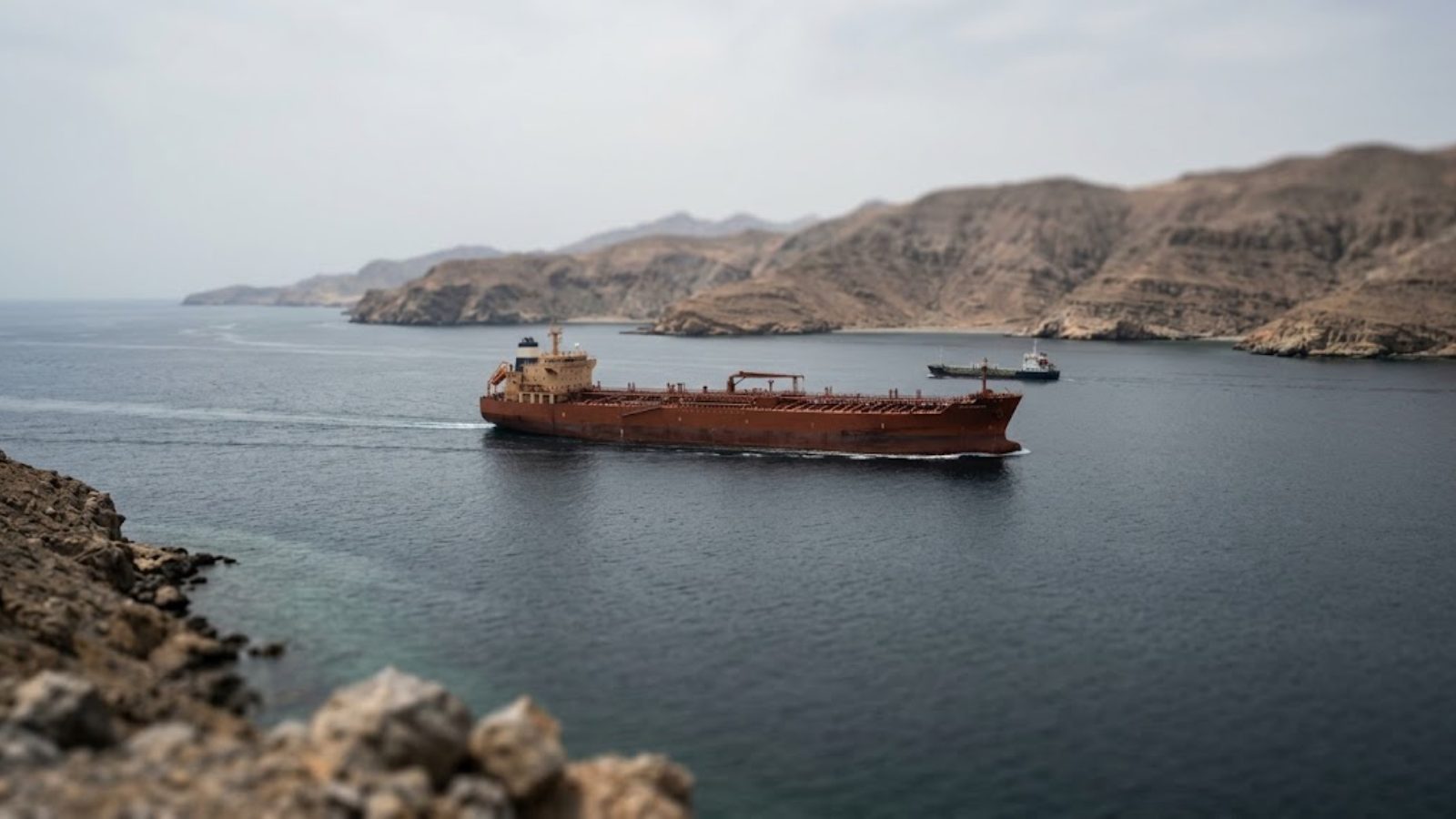
For years, Yemen’s war was the one the world forgot. Last week, it became an oil story. Iran-backed Houthi militants seized the port city of Mokha, then Perim Island, which sits in the middle of the Bab al-Mandeb Strait. With the Strait of Hormuz already contested, the Middle East’s two most important energy corridors are now under the sway of Iran and its allies.
Few safe ways out
Saudi Arabia, an energy heavyweight and a key U.S. military ally, has few safe routes left for its oil. Even before the offensive, Houthi attacks on Saudi shipping had the kingdom toggling between dangerous routes in the Red Sea and Hormuz. The International Energy Agency says Saudi crude exports from its main Red Sea port fell to about 2.5 million barrels a day in August, from 4.6 million in July.
Total Saudi output fell to six million barrels a day in August, against an average of about 9.4 million last year. Last week brought extensive Houthi strikes on Saudi energy infrastructure and an attack on the East-West pipeline, which moves crude between the Persian Gulf and the Red Sea. The kingdom said that attack came from Iraq. Early Sunday, a vessel crossing Hormuz was struck and caught fire.
Both straits are chokepoints — narrow sea lanes tankers can’t easily route around. “Iran and its regional network are in control of two of the most important maritime chokepoints,” says Adam Baron of the think tank New America. Iranian officials have said shipping routes won’t reopen until all of the region’s conflicts are resolved.
The fuel line at home
Oil ended last week at $100.05 a barrel, up $8.57, or 9.37%. At Tuesday’s close, West Texas crude — the U.S. benchmark — was about $106, up 4.6% on the day, with Brent near $108.8. Diesel has its own pressure point: on Sunday, President Trump urged Ukraine to ease strikes on Russian oil refineries that are contributing to higher diesel prices. Where prices go next, nobody can say, and we won’t pretend to.
For a retiree, all of this lands somewhere humbler. It’s the fuel line of the budget. Illustration only: if a $300 monthly fuel bill rose by crude’s 9.37% weekly gain, that’s about $28 more a month, or roughly $337 a year. An umbrella won’t lower the price of gas, but it keeps a spike from soaking the budget. Bring a recent statement; fifteen minutes will show how much a fuel jump would pinch.