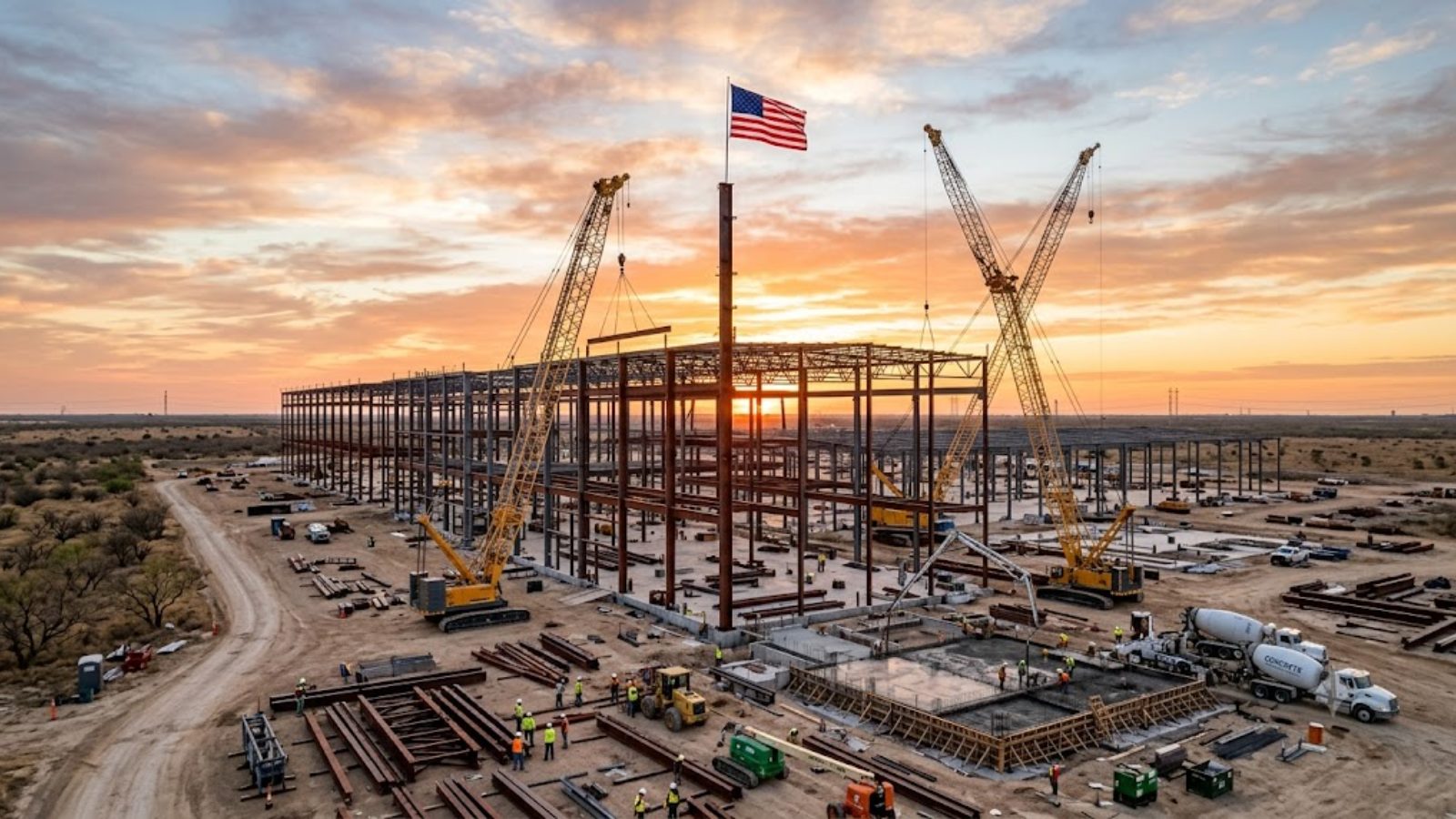
Stadium districts usually open with hotels, shops and full-price apartments. Nashville is doing it backward, on purpose. Near the Tennessee Titans’ new $2.2 billion stadium, the first building to break ground on 30 acres of city-owned land is Eastpoint Flats. It’s for the renters Nashville’s boom has priced out. The 600-room hotel can wait its turn.
Who gets the keys
Eastpoint Flats will lease 323 apartments below market to households earning 80% or less of the area median income — the midpoint of household incomes in the region. The building also gets about 20,000 square feet of retail and a day-care center. Mayor Freddie O’Connell likes the idea of people who build or work at the stadium someday getting to “live in the neighborhood adjacent to the stadium.”
O’Connell opposed the new stadium as a council member, in the vote that approved a $1.26 billion public subsidy. As mayor, he pushed hard for housing first. The master developer, Boston-based Fallon, hopes to follow with a 600-room hotel, 380 market-rate apartments and about 100,000 square feet of retail and dining. That’s unusual. Jonathan Fascitelli, who runs sports-venue developer Seregh, says these projects typically want the largest possible first phase, for critical mass.
Promises, rent and your plan
Stadium housing pledges have a spotty record. At Brooklyn’s Barclays Center, a developer promised 2,250 affordable units; more than a decade later, many still aren’t built. Nashville’s deal adds consequences: Fallon must hit affordable-housing milestones or risk its development rights. The units stay affordable for 99 years.
The need isn’t in doubt. Nashville-area asking rents average $1,715 a month, more than 14% above late 2020, according to CoStar (CSGP). A 2025 study says the city needs 90,000 new homes over the next decade; zoning allows roughly 70,000. Oracle (ORCL) is moving its world headquarters there, with 8,500 jobs planned by 2031.
That’s the household lesson tucked inside a stadium story. Illustration only: $1,715 a month is $20,580 a year, before any increase. Renting, buying and helping a grown child buy all draw on one budget, so they’re worth pricing side by side.