Airbnb said Tuesday it will put $250 million into affordable-housing projects that have stalled for want of the last slice of financing. The company expects its money to be roughly 10% of the capital on each deal, and to unlock around $5 billion over a decade.
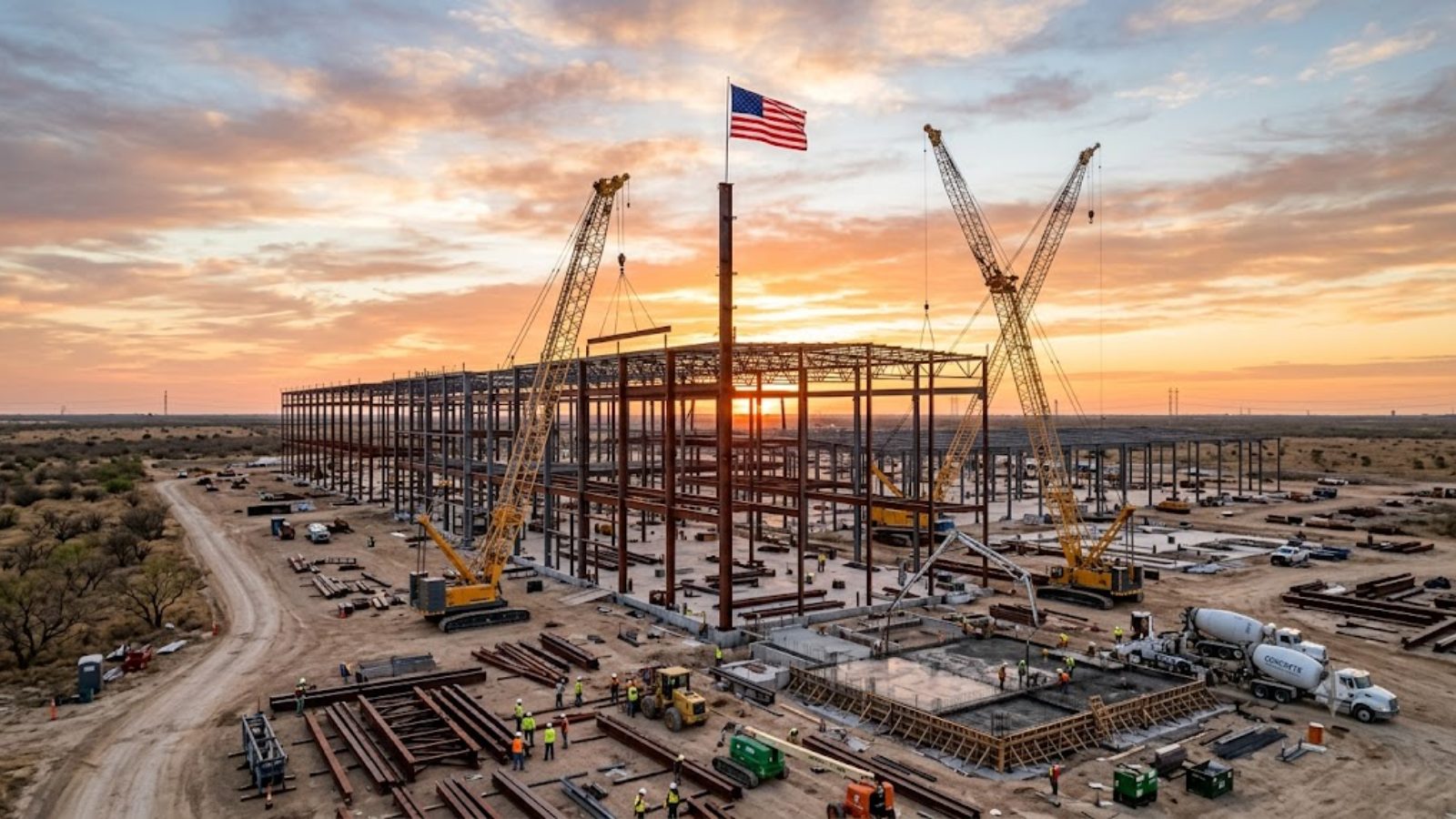
The first cheque is $6.4 million in Austin, on a 20-acre tract in the St. John neighborhood that used to hold a Home Depot and a car dealership. The city bought the land more than ten years ago, planned government buildings, and then built nothing. It has sat empty long enough to become, in the words of the council member whose district it is in, an eyesore.
The sentence that matters
Chito Vela, the Austin council member, explained why the project stopped: “Things were moving along pretty well until we started to see interest rates go up and started to see rents go down in Austin. All of a sudden the financing got really wobbly.”
That is the whole mechanism in two sentences, and it is worth sitting with on the morning before a Fed meeting.
A development is financed on the gap between what it costs to borrow and what it will earn in rent. Raise the first and lower the second and the gap closes. Nothing dramatic happens. No one announces a cancellation. The deal simply stops being financeable, and a lot stays empty for another year while everyone waits for one of the two numbers to move back.
Multiply that by every stalled project in the country and you have the reason the supply of housing does not respond quickly to the price of housing.
What Airbnb gets, and what it does not
The company is not pretending this is charity in the pure sense. A platform that rents homes short-term has a direct interest in not being the named villain in every municipal housing fight, and the residents of these particular affordable units will not be permitted to list them for short-term rental — a condition that reads as both a concession and a tell.
The initiative also funds advocacy on zoning, permitting and building codes, an open-source data set tracking housing policy, and a $5 million competition for technology that simplifies homebuilding.
Shaun Donovan, who ran HUD, gave the honest framing: this kind of gap funding can unlock far more than it costs, but the national shortfall runs to tens of billions. “You’re not going to solve this crisis with money alone.”
For a household
Nothing to buy. Two things to understand.
Supply is slow because financing is fragile. If a 5% benchmark persists, the pipeline of new housing thins for years after the rate itself moves, which is the argument against assuming that a rate cut someday quickly restores affordability.
The same arithmetic runs a personal balance sheet. A plan that only works if borrowing stays cheap and income keeps rising is the household version of a wobbly capital stack. The check is the same one a lender would run: does this still work if the rate is a point higher and the income is flat?