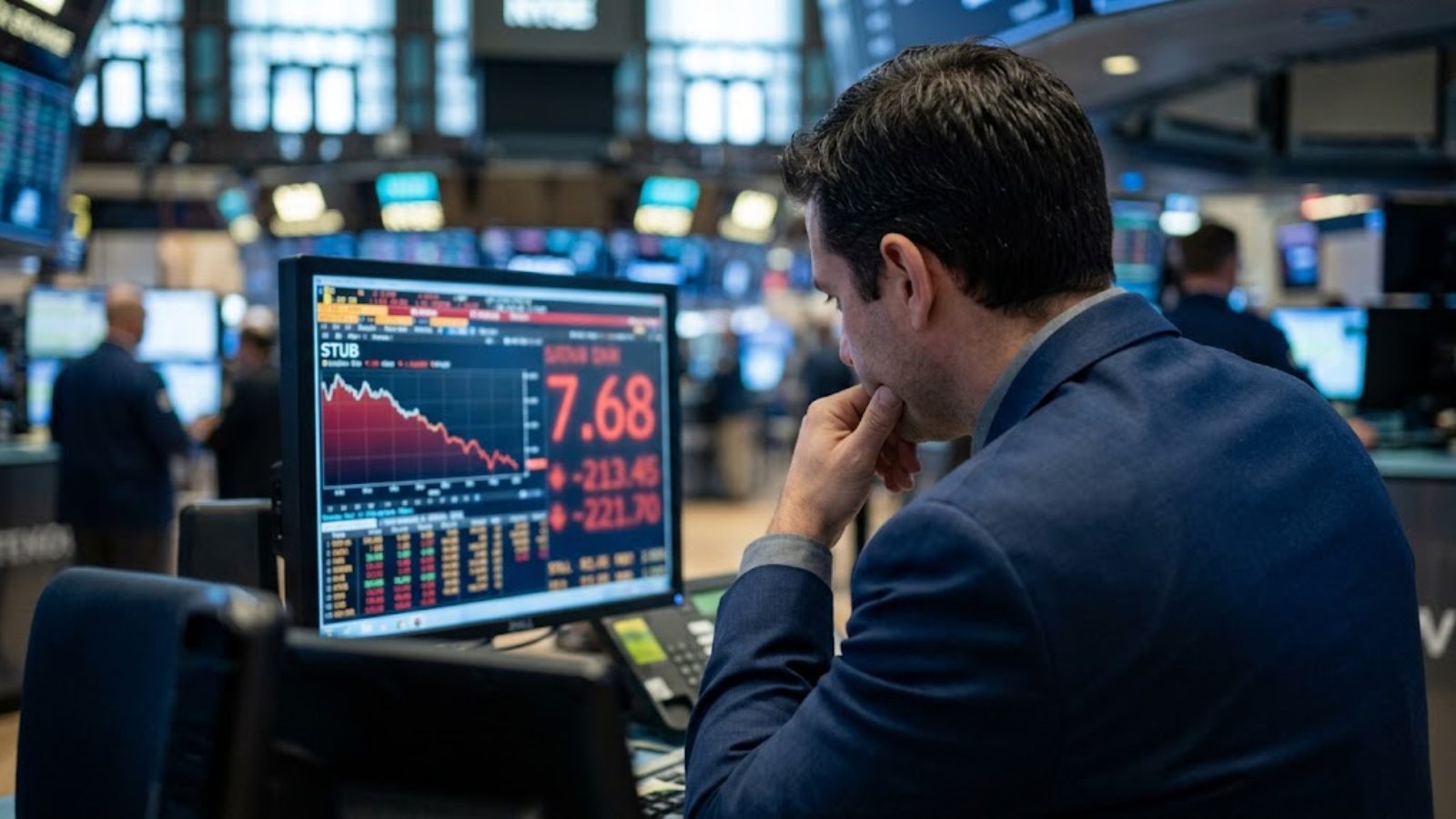
StubHub (STUB) reported a loss of approximately $40,000 for the quarter ended June 30. Not $40 million. Forty thousand dollars — which rounds to zero cents a share — in a quarter that included the World Cup.
Analysts expected 11 cents of profit. The shares fell 10% on Thursday.
This was supposed to be the windfall quarter. The largest sporting event on the planet, staged in North America, with a ticket resale market people had anticipated for years. Instead, the tournament wiped out the company’s quarterly profit.
Losing on the Cup
Expenses grew 37% while revenue grew 33%. That gap is the entire earnings report. Spending outran selling by four percentage points, and there was no cushion left to absorb it.
Chief Executive Eric Baker pointed at FIFA’s mobile-ticketing app. StubHub handled roughly two weeks of the 75 matches, and more than 50 buyers were turned away at the gate despite holding valid tickets.
Fifty people is a small number in a tournament that size. It is a very large number if your only product is the promise that the ticket works. Nobody uses a resale platform for fun. They use it to not be the person standing outside the stadium.
The stock closed at $7.68. It is down 65.1% from its first-day close and roughly 70% below its IPO price — the price at which it first sold shares to the public — in under a year. The company went public heading into the most anticipated event in its own business and lost two-thirds of its value on the way there.
Ackman’s Rough Year
Now to Bill Ackman, one of the most famous investors in America, who has been having a stretch of his own.
Pershing Square USA (PSUS), his U.S.-listed fund, is up 0.6% since its late-April debut through Tuesday. His London-listed fund, PSH, is down more than 4% this year. The S&P 500 returned 13.7% over a comparable stretch.
The reason is not complicated. His funds sat out chips and AI infrastructure, which is where this year’s gains lived. Fannie Mae and Universal Music dragged.
PSUS now trades at a 22% discount to the value of the stocks it owns — among the widest gaps of any U.S. fund of its kind. Ackman calls that price, in his words, “frankly absurd.” He may be right. A 22% discount means the market values his fund at far less than what is inside it, which is the market’s way of grading his year.
What He Bought
Here is the interesting part, and the reason these two stories belong on the same page.
Ackman disclosed new positions in six companies: Visa (V), Mastercard (MA), S&P Global (SPGI), Intercontinental Exchange (ICE), Alcon (ALC), and a large bet back into Netflix (NFLX).
Look at the first four. A card network. Another card network. A ratings and index business. An exchange operator. Every one collects a small fee on a transaction that has to happen regardless of whether the transaction turns out to be a good idea.
Those are toll booths. They do not need the World Cup to be profitable. They do not need the ticket to scan. Someone bought something, the payment cleared, and the fee was collected before anybody knew whether the buyer enjoyed the match.
We built the Capital Wealth Growth Portfolio around this argument two years ago and have repeated it since, occasionally to the visible boredom of people who wanted a hotter idea.
The reasoning is unglamorous. An event everyone can see coming — a World Cup, a product launch, a merger — is already priced into the stock before you get there. The excitement is in the price. What remains is execution risk, and execution is where StubHub found 50 people at a locked gate.
When one of the loudest investors in America quietly rotates into the same four boring businesses, it is not a signal to follow him. It is confirmation that the boring answer was right before he arrived.